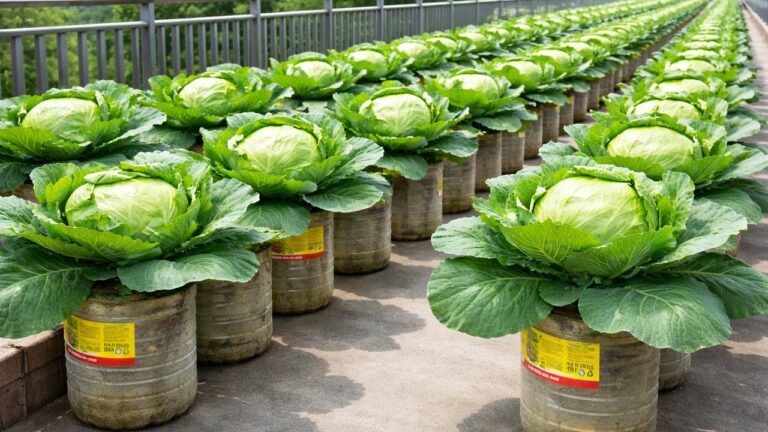
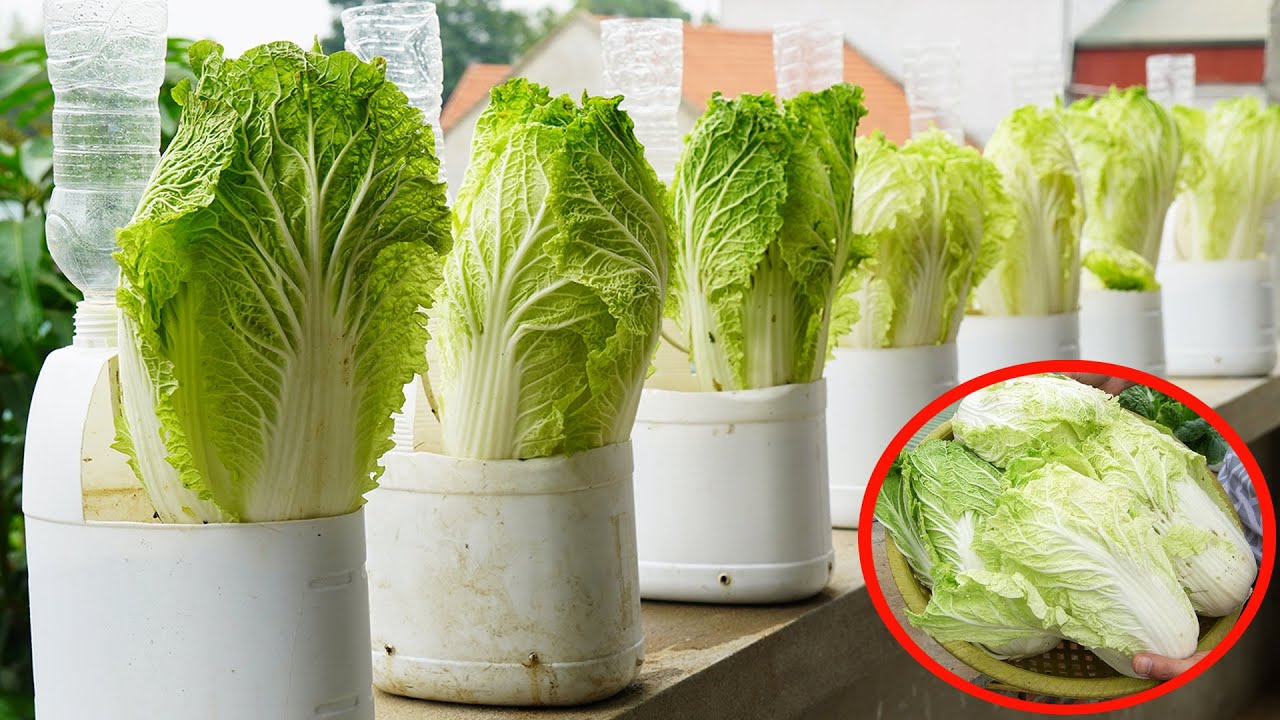
Grow 5 Amazing Cabbages in Plastic Bottles with This Secret Technique!
How to Grow Cabbages in Plastic Bottles: A Practical Guide
- Introduction
- Required Materials
- Preparing the Bottles
- Seeding Technique
- Care and Maintenance
- Common Mistakes
- FAQ
Introduction
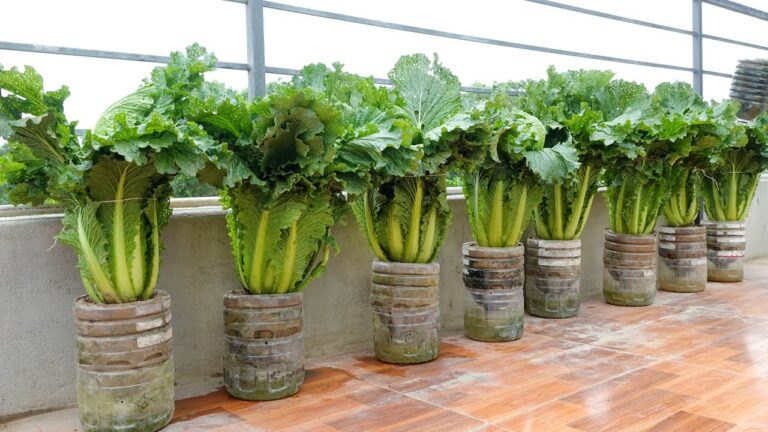
Have you ever thought about the challenge of gardening in limited spaces? Growing cabbage can feel daunting, especially if you don’t have a traditional garden. Plastic bottles provide a unique and effective way to cultivate your own cabbages right at home. This method not only saves space but also promotes sustainability. Curious about how to transform your empty bottles into thriving cabbage containers? Keep reading to uncover this simple and rewarding technique.
Required Materials
Before diving into the process of growing cabbages, it’s essential to gather all necessary supplies. Here’s a curated list of what you’ll need:
- 5 empty plastic bottles (2-liter or larger work well)
- Potting soil suitable for vegetable gardening
- Cabbage seeds (choose your preferred variety)
- A sharp knife or scissors for cutting bottles
- Watering can or spray bottle for gentle watering
Once you have gathered these materials, you’ll be ready to move on to the exciting part—preparing the bottles!
Preparing the Bottles
Transforming plastic bottles into planters is a straightforward process. Follow these steps to prepare your bottles:
- Rinse the plastic bottles thoroughly to remove any residues.
- Cut each bottle in half to create top and bottom sections.
- Make drainage holes in the bottom section by poking several small holes using a sharp object.
- Add a layer of gravel or small stones into the bottom for improved drainage.
- Fill the upper part with potting soil, leaving some space at the top.
This setup will ensure your cabbages have the right environment to grow.
Seeding Technique
Now that your bottles are ready, it’s time to plant your cabbage seeds. Here’s how to do it effectively:
- Plant 2-3 seeds in each bottle, about 1/2 inch deep in the soil.
- Water the seeds gently until the soil is moist but not soaking wet.
- Cover your bottles with clear plastic wrap to create a greenhouse effect, promoting germination.
Be sure to place the bottles in a warm area with indirect sunlight for optimal growth.
Care and Maintenance
Caring for your cabbage plants in plastic bottles is essential for a successful harvest. Here are some key maintenance tips:
- Check soil moisture regularly; water when the soil feels dry.
- Adjust light exposure as needed. Rotate the bottles to ensure even growth.
- Once seedlings emerge, remove the plastic wrap to prevent mold.
- Thin the seedlings by removing the weaker ones, leaving the strongest to grow.
Regular attention to these details will help your cabbages flourish.
Common Mistakes
Even with the best intentions, gardening can come with hiccups. Here are some common mistakes to avoid when growing cabbages in plastic bottles:
- Neglecting drainage: Without proper drainage holes, roots can rot.
- Overcrowding: Planting too many seeds can hinder growth; always thin seedlings.
- Ignoring light: Insufficient light can lead to leggy, weak plants.
- Improper watering: Both overwatering and underwatering can damage your plants.
Avoiding these pitfalls will ensure a healthier growing environment for your cabbages.
FAQ
How much sunlight do cabbages need?
Cabbages typically require 6-8 hours of indirect sunlight daily for optimal growth.
What types of cabbages can I grow in plastic bottles?
You can grow various types such as green cabbage, red cabbage, or savoy cabbage in plastic bottles.
Can I reuse the plastic bottles for other plants?
Absolutely! Once you’re done with cabbages, you can plant other vegetables or flowers in the same bottles.
Conclusion
Growing cabbages in plastic bottles is a rewarding and sustainable way to enjoy gardening no matter your space limitations. By following the outlined steps and avoiding common pitfalls, you can cultivate your own delicious cabbages. What other creative gardening ideas do you have? Share your thoughts in the comments!