10 Easy Vegetables to Grow for Lazy Gardeners with Minimal Care!
10 Easy Vegetables to Grow for Lazy Gardeners
- Introduction
- Best Vegetables for Minimal Care
- Growing Tips for Lazy Gardeners
- Common Mistakes to Avoid
- Frequently Asked Questions
Introduction
Are you ready to transform your garden without putting in hours of labor? Many aspiring gardeners find themselves overwhelmed, unsure of how to maintain a lush vegetable patch while juggling busy schedules. The thought of constant weeding, watering, and monitoring can deter even the most dedicated plant enthusiasts. But what if you could grow your own vegetables with little effort? In this guide, you’ll discover simple solutions that fit perfectly into your lifestyle while bringing fresh flavors to your table.
Best Vegetables for Minimal Care
Certain vegetables thrive on neglect, making them perfect for your garden if you prefer a low-maintenance approach. Here are ten outstanding choices to simplify your gardening experience:
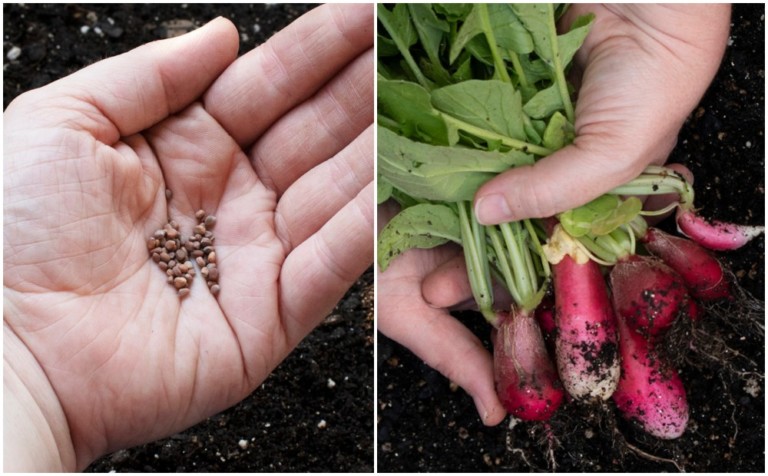
- Radishes: With a quick harvest time of around 30 days, radishes are perfect for impatient gardeners.
- Green Beans: Just sow seeds directly into the soil; they require minimal care once established.
- Cherry Tomatoes: These hardy little plants love sunshine and produce delicious fruits with little attention.
- Swiss Chard: A nutrient-rich leafy green that can withstand the heat and thrives in poor soil conditions.
- Zucchini: A prolific producer, zucchini plants can provide you with abundant fruits with minimal effort.
- Peas: They don’t require as much maintenance and can be harvested in about two months.
- Carrots: These root vegetables can grow slowly in the background, needing little besides adequate moisture.
- Garlic: Plant in the fall, then let nature do its thing until you harvest in summer.
- Herbs like Basil: Easy to grow in small pots or garden beds, herbs can thrive even with infrequent watering.
- Leafy Lettuce: Fast-growing and simple to maintain, lettuce can be harvested multiple times.
Growing Tips for Lazy Gardeners
To get the most out of your low-maintenance garden, consider these practical tips:
1. Soil Preparation
Improving your soil leads to better vegetable health. You can:
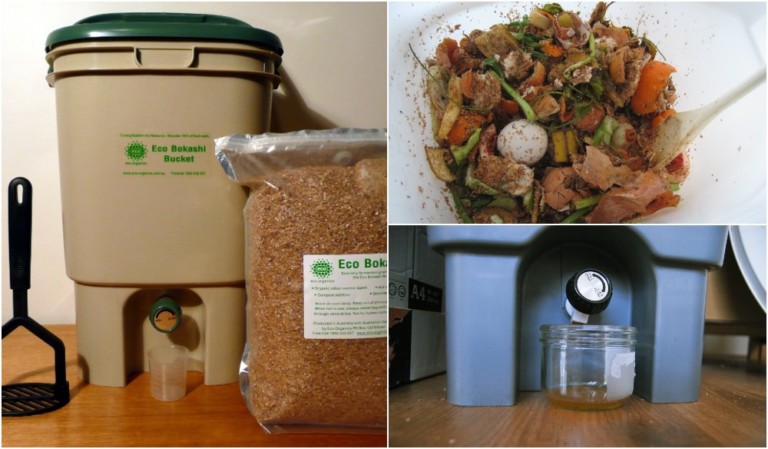
- Mix in compost to add nutrients.
- Use mulch to retain moisture and suppress weeds.
2. Water Wisely
Watering is crucial but doesn’t need to be time-consuming:
- Water deeply but infrequently to encourage strong root systems.
- Consider using a soaker hose for consistent moisture without daily effort.
3. Pest Management
Keep your garden healthy by managing pests naturally:
- Introduce beneficial insects like ladybugs.
- Use row covers to protect young plants from pests without the need for chemicals.
Common Mistakes to Avoid
Even the most carefree gardener can stumble into pitfalls. Here are some common errors to sidestep:
- Neglecting soil quality: Poor soil leads to weak plants.
- Overwatering: Too much water can cause root rot.
- Ignoring sunlight needs: Make sure your vegetables are placed where they’ll get enough light.
- Planting too many types together: This can lead to overcrowding and competition for resources.
- Failing to check for pests: Regularly inspecting your plants can help you catch issues early.
Frequently Asked Questions
What vegetables are easiest to grow for beginners? Simple choices like radishes, green beans, and zucchini are great for those just starting out.
How much space do I need for a vegetable garden? You can grow your vegetables in small spaces, including containers or raised beds, depending on the type of plants.
When is the best time to plant vegetables? Spring is typically the best time, but it can vary based on your local climate and the types of vegetables you’re planting.
Conclusion
By selecting the right vegetables and following these simple tips, you can enjoy a thriving garden with minimal effort. What’s your favorite effortless vegetable to grow? Share your gardening experiences in the comments below!