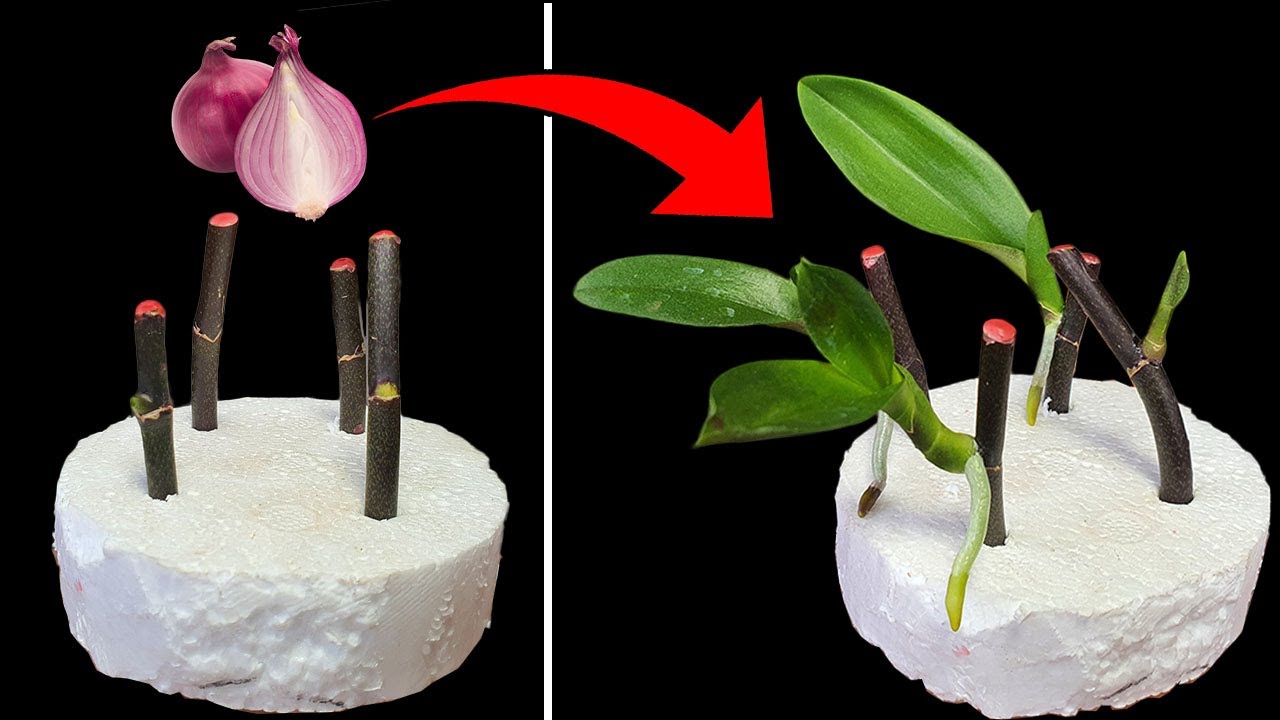
5 Simple Steps to Make Your Orchid Bloom All Year with Just Shallots!
5 Simple Steps to Make Your Orchid Bloom All Year with Just Shallots
- Understanding Orchid Needs
- Benefits of Using Shallots
- Step-by-Step Guide to Using Shallots with Orchids
- Common Mistakes to Avoid
- FAQ
Understanding Orchid Needs
Orchids are cherished for their stunning beauty and delicate blooms, but keeping them healthy can be a challenge. You may find that despite your efforts, your orchids aren’t flourishing as you hoped. Understanding their specific needs—including light, temperature, and care—can pave the way for vibrant blooms. It’s essential to learn how these factors interact to support your orchids throughout the year.
Benefits of Using Shallots
Using shallots as a natural remedy for your orchids is a unique approach that can yield numerous benefits. Not only are shallots rich in nutrients, but they also have natural antibacterial properties that can combat root rot and other issues. Here are a few benefits:
- Nutrient Boost: Shallots provide essential nutrients that promote healthy growth.
- Antimicrobial Properties: They help protect orchids from diseases.
- Improved Soil Quality: Shallots can enhance the microbial activity in the soil, promoting better absorption of nutrients.
Step-by-Step Guide to Using Shallots with Orchids
To harness the power of shallots for your orchids, follow these steps:
- Gather the materials: You will need shallots, potting mix suitable for orchids, and a pot with drainage holes.
- Prepare the shallots: Chop the shallots into small pieces. The smaller, the better, for effective nutrient release.
- Mix with potting mix: Combine the chopped shallots with your orchid potting mix, ensuring an even distribution for optimal benefits.
- Pot the orchid: Plant your orchid in the shallot-infused mix, being careful not to damage the roots.
- Water appropriately: Water your orchid lightly, allowing the shallots to start releasing their nutrients and antimicrobial properties into the soil.
Tips for Optimal Growth
- Position your orchids in bright, indirect light to stimulate good growth.
- Maintain humidity levels between 50-70% for best results.
Visual Details
Consider using a transparent pot to monitor your orchid’s roots as they react to the enriched soil. Another great touch is placing your orchid on a decorative pebble tray filled with water to enhance humidity levels around the plant.
Common Mistakes to Avoid
Even with good intentions, mistakes can hinder your orchid’s growth. Here are a few common pitfalls:
- Overwatering: This can lead to root rot. It’s important to allow the media to dry out slightly between watering.
- Neglecting humidity: Orchids thrive in high humidity. If your environment is too dry, consider misting the leaves or using a humidifier.
- Ignoring light requirements: Too much direct sunlight can scorch leaves, while too little can inhibit blooming.
FAQ
Can shallots be used with all types of orchids?
Yes, shallots can benefit most types of orchids, helping to encourage blooming and overall plant health.
How often should I use shallots for my orchids?
You can introduce shallots into the potting mix at the time of repotting or every few months, depending on your orchid’s needs.
What if my orchid stops blooming after using shallots?
Bloom cycles can vary. Ensure your orchid is receiving the proper light, temperature, and humidity to encourage future blooms.
Conclusion
Incorporating shallots into your orchid care routine can create a thriving environment for beautiful blooms. By understanding your orchid’s needs and avoiding common mistakes, you can enjoy their charm year-round. What has been your experience with growing orchids? Share your tips in the comments!