5 Secrets to Speed Up Water Rooting for Thriving Plants
5 Secrets to Speed Up Water Rooting for Thriving Plants
- Introduction
- Understanding Water Rooting
- Choosing the Right Plants
- Preparing Your Cuttings
- Creating an Ideal Environment
- Common Mistakes to Avoid
- FAQ
- Conclusion
Introduction
Have you ever tried propagating plants in water, only to find that the cuttings seem to languish without establishing roots? This common frustration can leave you questioning your gardening skills, but the truth is, there are secrets that can significantly enhance your success. With a few simple adjustments, you can create the perfect conditions for your plant cuttings to thrive. Let’s explore how you can turn your disappointments into flourishing greenery.
Understanding Water Rooting
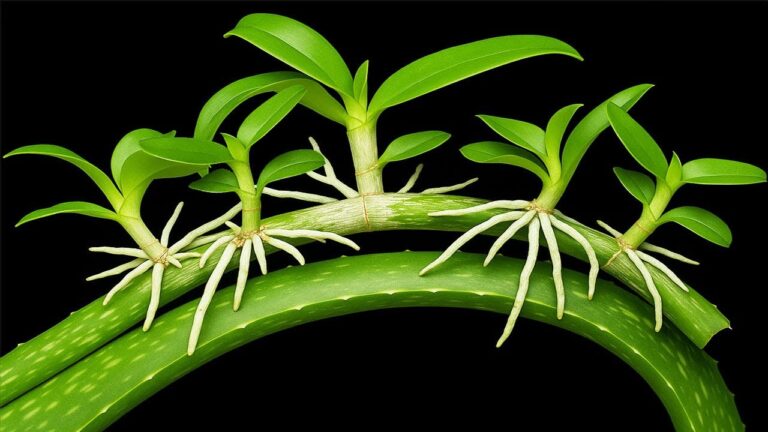
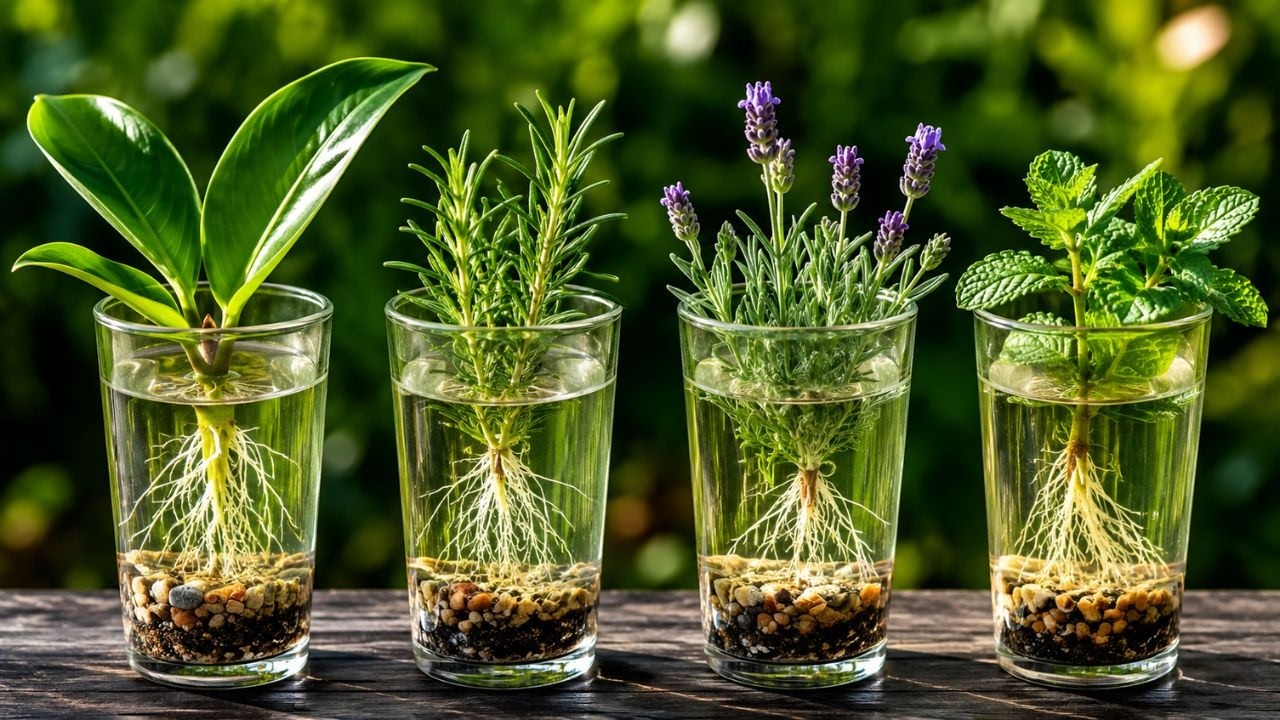
Water rooting is a popular method for propagating plants where you place cuttings in water to encourage root development. This technique is favored for its simplicity and the ability to monitor root growth visually.
Benefits of Water Rooting
- Visibility: You can see root development in real-time.
- Easy Monitoring: It’s straightforward to ensure cuttings are healthy and developing.
- Start with Minimal Equipment: No special tools are needed beyond water and a container.
When to Use Water Rooting
This method is effective for a variety of plants, particularly for soft-stemmed specimens like pothos and coleus. These types of plants respond quickly to propagation, allowing you to see growth in just a few weeks.
Choosing the Right Plants
Not all plants respond favorably to water rooting. Knowing which plants to choose can make a significant difference in your success rate.
Good Candidates for Water Rooting
- Pothos: A resilient performer with rapid root growth.
- Herbs: Basil and mint are particularly responsive.
- Spider Plant: A versatile option that propagates easily.
Plants to Avoid for Water Rooting
Some plants, such as most succulents and cacti, don’t root well in water. It’s better to use soil for these types.
Preparing Your Cuttings
Preparation is key to successful water rooting. Here are the steps to ensure your cuttings are ready for propagation.
Steps for Proper Preparation
- Choose Healthy Growth: Select stems that are healthy and free from disease.
- Make Clean Cuts: Use sharp, sterile scissors to create a clean cut just below a node.
- Remove Lower Leaves: To avoid decay in water, strip off leaves that will be submerged.
Ensuring Optimal Cutting Length
The length of your cuttings matters. Aim for 4 to 6 inches for the best results, allowing enough stem for rooting while maintaining energy for growth.
Creating an Ideal Environment
The environment in which your cuttings are placed can greatly affect their rooting time.
Light Conditions
Place your cuttings in a location with indirect sunlight. Too much direct light can heat the water and stress the cuttings, while too little light can slow growth.
Water Quality
- Use clean, filtered water to prevent any bacteria that could harm your cuttings.
- Change the water every week to keep it fresh and oxygen-rich.
Common Mistakes to Avoid
Avoiding common pitfalls can significantly increase your chances of success with water rooting.
1. Not Changing the Water Regularly
Stagnant water can harbor harmful bacteria.
2. Overcrowding Cuttings
Giving each cutting space prevents competition for resources.
3. Ignoring Light Requirements
Too much or too little light can hinder growth.
4. Using the Wrong Plants
As mentioned, not all plants are suitable for water rooting.
5. Keeping Leaves in the Water
Always ensure leaves are above the waterline to prevent decay.
FAQ
What is the best way to propagate plants in water? The best method involves selecting healthy cuttings, preparing them properly, and placing them in a suitable environment with fresh water.
How long does it take for cuttings to root in water? Depending on the plant type, it can take anywhere from a few days to several weeks for roots to develop sufficiently.
Can I use tap water for rooting cuttings? While tap water can be used, filtered or distilled water is preferable to reduce chlorine concentrations that may inhibit root growth.
Conclusion
By understanding the water rooting process and applying these tips, you can enhance your success with plant propagation immensely. Have you tried water rooting before, and what has been your experience? Share your thoughts in the comments below.