Master 7 Tips for Perfect Wood Joints: Achieve Precision Like a Pro!
Mastering Wood Joints: 7 Tips for Precision You Need
- Understanding Wood Joints
- Essential Tools for Woodworking
- Common Techniques for Strong Joints
- Common Mistakes to Avoid
- Frequently Asked Questions
Understanding Wood Joints
Creating sturdy furniture or home decor often starts with achieving perfect wood joints. If you’ve ever found yourself frustrated with gaps or weak connections in your projects, you’re not alone. Wood joints are crucial for ensuring the durability and aesthetics of your creations. They serve not just structural purposes but also enhance the overall look of your work. So, it’s essential to delve into the basics of wood joints and explore how to craft them with precision.
Types of Wood Joints
Different types of wood joints serve various functions and may require different techniques. Here are a few essential types:
- Butt Joint: The simplest form where two pieces are joined at a right angle without any additional features.
- Lap Joint: Involves overlapping pieces that provide a greater surface area for glue or fasteners.
- Dovetail Joint: Known for its strength and visual appeal, particularly popular in drawer construction.
Importance of Precision
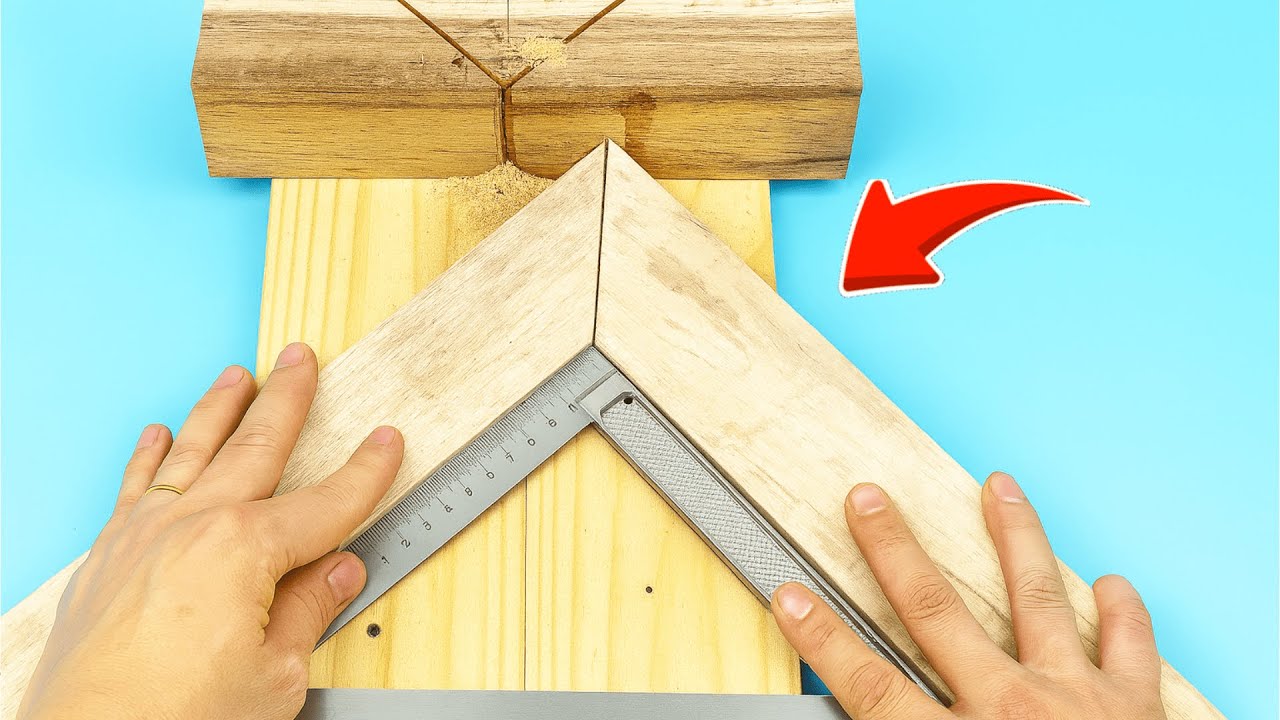
Precision in wood joints not only increases the strength of the joint but also enhances the overall appearance of your project. If your joints aren’t perfectly aligned, you may encounter issues like unnecessary gaps and misalignment. Taking the time to focus on precision will pay off in creating projects that stand the test of time.
Essential Tools for Woodworking
Before embarking on your wood joint projects, it’s vital to have the right tools on hand. Here’s a list of must-have tools that can help you achieve that desired precision:
Basic Tool Kit
- Table Saw: For accurate cuts across various dimensions.
- Miter Saw: Excellent for cutting angles needed in many joints.
- Clamps: Essential for holding pieces together while glue sets.
Advanced Tools
- Router: Useful for shaping edges and creating grooves for joints.
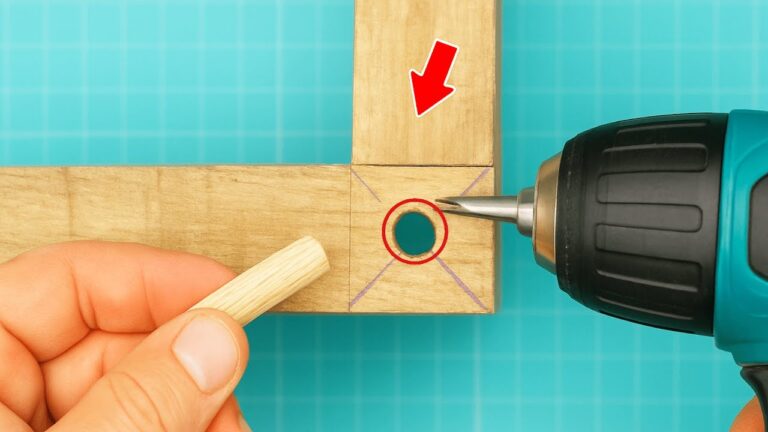
- Doweling Jigs: Assists in aligning dowel holes precisely.
- Chisels: Helps fine-tune joints for a snug fit.
Common Techniques for Strong Joints
Having the right tools is just the beginning. You’ll also need to master several techniques that contribute to making strong and precise wood joints. Here are some foundational techniques:
Preparing the Wood
- Measure: Always double-check your measurements before cutting.
- Mark: Clearly mark where your cuts will be to ensure accuracy.
- Cut: Use a sharp blade for cleaner cuts; dull blades can lead to splintering and inaccuracies.
Assembling Joints
When it comes time to assemble your joints, consider these steps:
- Dry Fit: Assemble the pieces without glue to check for fit.
- Apply Glue: Use a good quality wood glue and apply a small, even layer to both surfaces.
- Clamp: Secure the joint firmly and allow it to set according to the glue manufacturer’s instructions.
Common Mistakes to Avoid
Even experienced woodworkers can slip up when it comes to creating wood joints. Here are some common mistakes to watch out for:
1. Skipping Measurements
Rushing through measurements can lead to costly errors. Always take your time to measure twice.
2. Neglecting Wood Grain
Aligning your cuts with the grain of the wood can significantly affect strength. Always consider the grain direction.
3. Overusing Glue
Too much glue can lead to a messiness that not only affects aesthetics but can also weaken joints by creating a weak bond.
4. Ignoring Clamping Pressure
Using too little or too much pressure can impact how well joints bond. Follow guidelines for clamp pressure according to your materials.
Frequently Asked Questions
What is the strongest wood joint?
The dovetail joint is often regarded as one of the strongest due to its interlocking shape, which provides significant resistance against pulling apart.
How do I fill gaps in wood joints?
You can use wood filler or a mixture of sawdust and glue to fill any noticeable gaps after the joint has dried.
Can I use screws instead of glue for wood joints?
While screws can provide extra strength, combining screws with glue typically results in a stronger and more reliable joint.
Conclusion
Mastering wood joints takes patience and practice, but with the right tools and techniques, you can achieve remarkable precision. Keeping an eye on common mistakes will also help you refine your skills. What projects are you excited to work on with your newfound knowledge about wood joints?