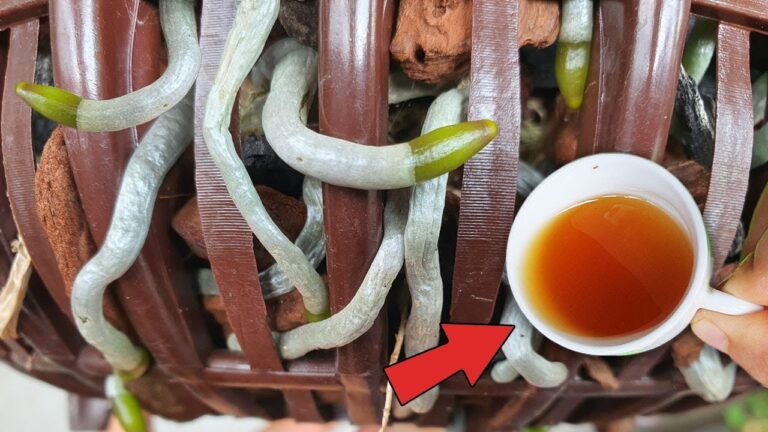
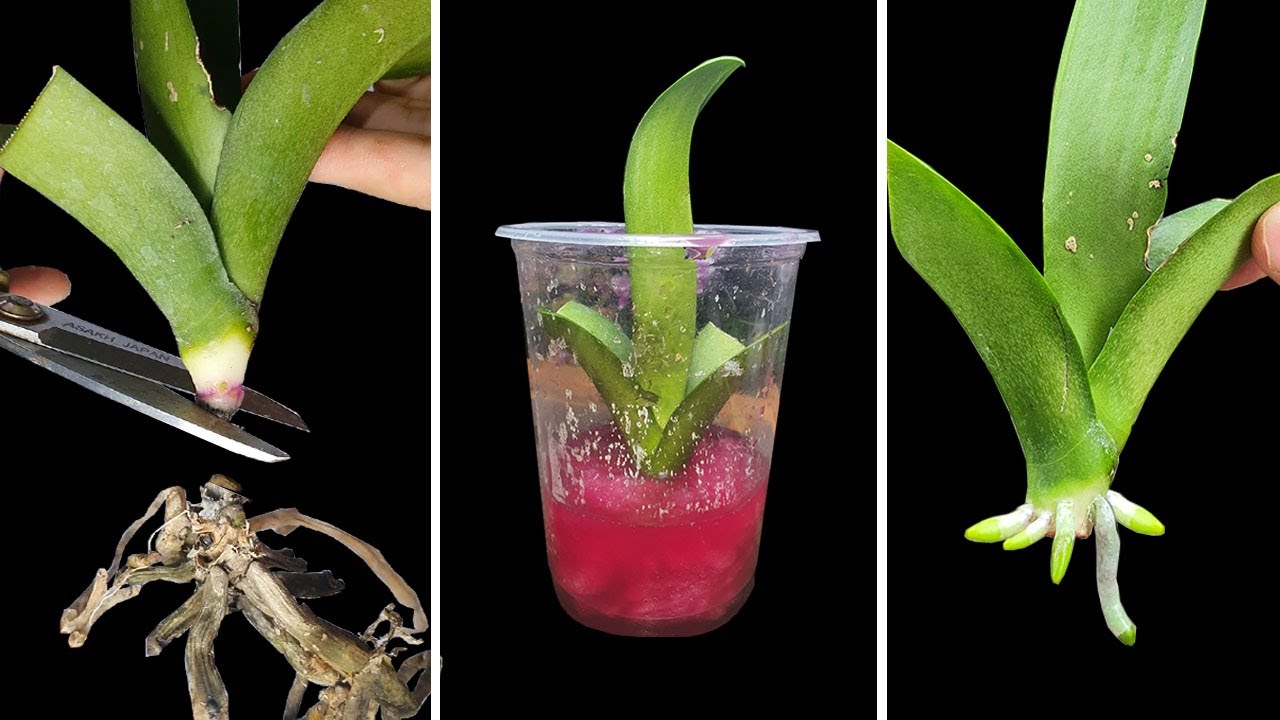
5 Magic Tips to Revive Your Orchids and Grow New Roots Fast
5 Effective Tips to Revive Your Orchids and Encourage New Root Growth
Many orchid lovers encounter the frustrating moment when their beloved blooms begin to wilt and drop off, leaving behind a plant that looks sad and neglected. If you’ve found yourself asking why your orchids are struggling and how to bring them back to life, you’re not alone. Fortunately, with a little knowledge and dedication, you can revive your orchids and encourage new root growth. Let’s explore the essential tips that will help you bring your orchids back to their vibrant selves.
Understanding Orchid Needs
To successfully revive your orchids, it’s crucial to understand their specific requirements. Orchids have unique needs in terms of light, water, and nutrients that differ from typical houseplants.
Light Requirements
Orchids thrive in bright, indirect sunlight. Too much direct sunlight can scorch the leaves, while too little can inhibit growth. A south or east-facing window often provides the right balance.
Watering Techniques
Overwatering is a common mistake. Orchids prefer to dry out slightly between watering. A good practice is to water them every 7 to 10 days, ensuring the potting medium is well-draining.
Nutrient Needs
Using the right type of fertilizer is essential for stimulating growth. A balanced orchid fertilizer should be applied every 2-4 weeks during the growing season to replenish nutrients.
Reviving Your Orchids
Once you understand what your orchids need, it’s time to implement some effective techniques to breathe life back into them.
Assess the Condition
- Examine the leaves: Look for yellowing or browning, which may indicate stress or disease.
- Check the roots: Healthy roots are firm and green. Dark, mushy, or shriveled roots need immediate attention.
Repotting Your Orchids
Repotting can be a transformative step. If you notice that the potting medium is decomposed or the roots are outgrowing the pot, it’s beneficial to repot your orchids.
- Choose a pot that provides good drainage.
- Use fresh orchid potting mix for better aeration.
Watering Adjustments
After repotting, allow the plant to settle. Adjust your watering schedule; check moisture levels with your fingers to avoid overwatering. This simple step is crucial in preventing root rot.
Nurturing New Roots
Once you’ve revived your orchids, the next step is to promote new root growth. Here’s how to encourage healthy roots.
Humidity Control
Orchids thrive in humid environments. You can increase humidity by using a humidity tray or placing a small humidifier nearby. Aim for humidity levels of about 50-70%.
Fertilization and Watering Strategy
Continue using a balanced orchid fertilizer to support root growth, but be cautious. Too much fertilizer can harm your plant. A diluted solution is often more beneficial.
Patience and Observation
Roots take time to develop, so be patient. Observe your orchids regularly. If you notice signs of new growth, you are on the right path to having healthier plants.
Common Mistakes to Avoid
While caring for your orchids, it’s important to be mindful of common pitfalls that can hinder their recovery and growth.
Overwatering
As mentioned, overwatering is a leading cause of orchid decline. Make sure you’re allowing the potting medium to dry out slightly between watering sessions.
Insufficient Light
Placing your orchids in low-light conditions can stunt their growth. Ensure they get appropriate light without direct exposure.
Neglecting Repotting
Ignoring the need to repot can lead to poor drainage and nutrient availability. Repot every 1-2 years as needed to maintain plant health.
FAQ
How often should I water my orchids?
Water your orchids every 7 to 10 days, allowing the potting medium to dry out slightly between waterings for optimal health.
What type of potting mix is best for orchids?
A mix designed specifically for orchids, often containing bark and perlite, promotes good drainage and air circulation for the roots.
Can I use regular fertilizer for my orchids?
It’s best to use a specialized orchid fertilizer to meet their unique nutrient needs without risking harm to the plant.
Conclusion
By understanding your orchids’ needs and implementing these tips, you can revive your orchids and foster new root growth effectively. How have your experiences been with orchid care? Share your thoughts in the comments!