Eliminate Slugs and Snails Naturally with 5 Easy Tips You Need to Try!
Eliminate Slugs and Snails Naturally: 5 Easy Tips You Need to Try
- Understanding Slugs and Snails
- Natural Remedies to Keep Them Away
- Creating a Hospitable Garden Environment
- Mistakes to Avoid When Dealing with Slugs
- FAQ
After a rainy evening, you might step into your garden only to find your beautiful plants covered in slimy trails and chewed leaves. Eliminating slugs and snails naturally can feel overwhelming, especially when you want to avoid harsh chemicals. Understanding how to deter these pests without harming your garden can be your best defense. Keep reading to discover practical methods that might just save your favorite plants.
Understanding Slugs and Snails
Before taking action, it’s important to know what you’re up against. Slugs and snails are common garden pests that thrive in moist conditions and can cause significant damage to tender plants.
1. Identifying Their Habitat
These creatures typically reside in cool, dark areas, often hiding under rocks, logs, or dense foliage during the day. Knowing where they originate can help you target your control efforts effectively.
2. Life Cycle and Behavior
Slugs and snails lay eggs in the soil, creating a cycle that can lead to an ongoing invasion. They are more active at night and during rainy weather, making it crucial to monitor your garden during these times.
Natural Remedies to Keep Them Away
Utilizing natural remedies can be an effective method to deter slugs and snails without harming the environment.
1. Coffee Grounds
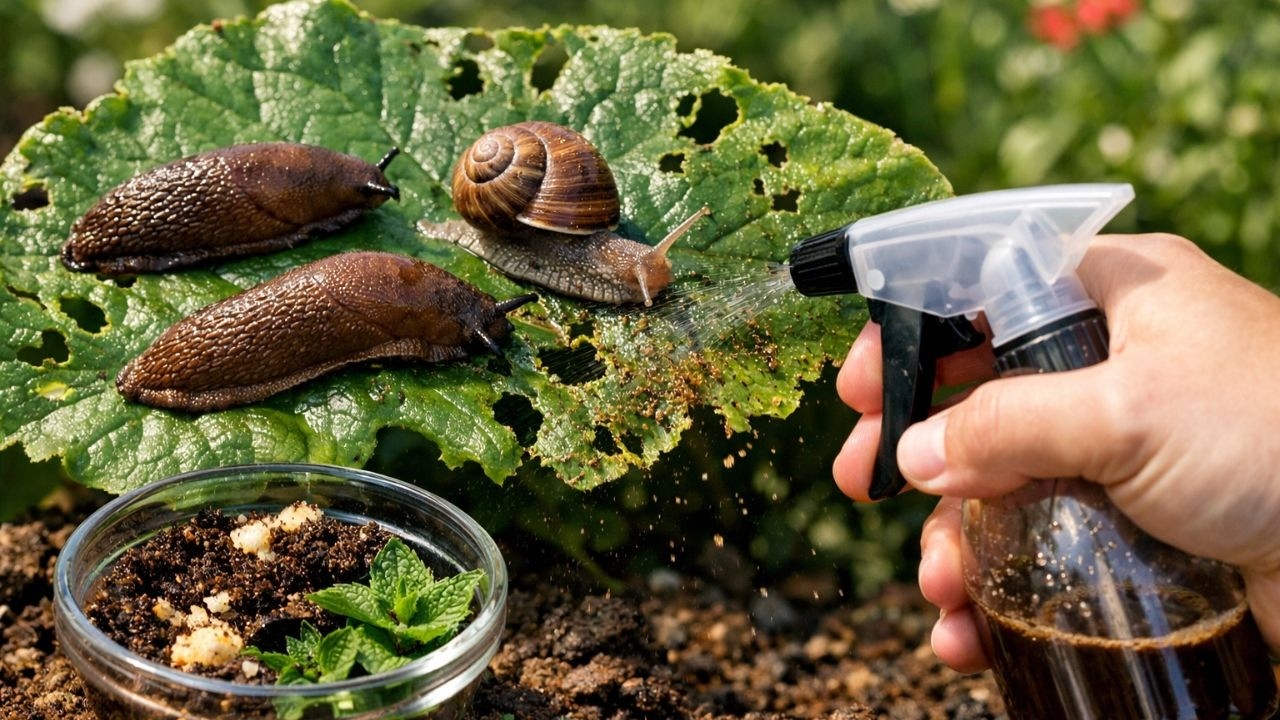
Sprinkling used coffee grounds around your plants can deter slugs. The caffeine in the grounds has a toxic effect on them while providing nutrients to your plants.
2. Eggshells
Crushed eggshells create a scratchy barrier that slugs and snails usually avoid. Spread them around your garden beds to protect young plants. Plus, they enrich your soil with calcium!
3. Garlic Spray
A simple homemade garlic spray can repel slugs. Blend a few cloves of garlic in water, strain, and spray it around your plants. The strong odor discourages these pests.
Creating a Hospitable Garden Environment
Making your garden less inviting to slugs and snails can greatly reduce their population.
1. Keep Your Garden Clean
Regularly remove debris, like fallen leaves and overgrown plants, which can create a perfect hideout for slugs. Maintain a tidy garden to make it less appealing.
2. Use Plants as Deterrents
Certain plants can naturally repel slugs. Consider planting sage, rosemary, or lavender, which are less attractive to these pests. Companion planting can enhance the overall health of your garden.
3. Water Wisely
Watering early in the day allows your plants to dry out before nightfall. Avoiding evening watering helps reduce the moist environment that slugs prefer.
Mistakes to Avoid When Dealing with Slugs
When trying to eliminate slugs and snails, some common pitfalls can hinder your efforts.
1. Relying Solely on Traps
While traps can help, they shouldn’t be your only strategy. Combining traps with natural deterrents maximizes effectiveness.
2. Ignoring Weather Conditions
Operating under the assumption that slugs are always present can lead to unnecessary efforts. Focus on treatment after rain when they are most active.
3. Misusing Commercial Pesticides
Using harsh chemical pesticides can kill beneficial insects too. Opt for natural methods to maintain a balanced ecosystem in your garden.
FAQ
What attracts slugs and snails to gardens? Moisture, food sources like soft plants, and sheltered areas are key attractions for slugs and snails.
Are there any plants that deter slugs? Yes, strong-smelling herbs like mint, sage, and rosemary can help keep slugs away.
How can I control slugs without harming beneficial insects? Natural remedies and barriers such as crushed eggshells or coffee grounds are effective ways to deter slugs without affecting helpful garden creatures.
Understanding how to naturally eliminate slugs and snails can protect your plants while keeping your garden thriving. What methods have you tried in your garden to manage pests? Share your experiences in the comments!