7 Genius Tricks for Drilling PVC That Will Transform Your DIY Projects
7 Essential Tricks for Drilling PVC in Your DIY Projects
- Understanding PVC Material
- Necessary Tools for Drilling PVC
- Prepping Your PVC for Drilling
- Key Drilling Techniques for PVC
- Common Mistakes When Drilling PVC
- FAQ
Understanding PVC Material
PVC, or polyvinyl chloride, is a popular choice for various DIY projects due to its lightweight and durable nature. However, drilling it can be tricky if you aren’t familiar with its characteristics. Knowing how PVC behaves during drilling can save you time and ensure your projects come out neat and professional. Dive deeper into how you can effectively drill this versatile material.
Why PVC is a Great Choice
PVC is favored for its resistance to corrosion and moisture, making it ideal for both indoor and outdoor applications. Additionally, its affordability allows you to tackle numerous projects without stretching your budget.
Types of PVC and Their Uses
There are different types of PVC, including rigid and flexible varieties. Rigid PVC is commonly used in plumbing and construction, while flexible PVC is often seen in electrical applications. The type you choose will influence your approach to drilling.
Necessary Tools for Drilling PVC
Having the right tools is crucial for drilling PVC effectively. Below are essential items you will need.
Basic Drilling Equipment
- Drill: A standard electric or cordless drill will work fine.
- Drill bits: Opt for a high-speed steel (HSS) or a step bit specifically designed for plastics.
- Clamps: Secure your PVC piece to prevent movement while drilling.
Safety Gear
Don’t overlook safety when undertaking any DIY project. Comfortable gloves and safety goggles will protect you from any debris generated during the drilling process.
Prepping Your PVC for Drilling
Proper preparation is key to achieving clean, precise holes in PVC. Here’s how to get started.
Selecting the Right Location
- Measure and mark where you want to drill.
- Secure the PVC with clamps on a stable surface.
- Ensure that the marked area is clear from any obstructions.
Cooling the Material
When drilling, friction generates heat, which can deform PVC. To prevent this, consider using a spray bottle filled with water to lightly mist the drilling area. This will help keep the material cool during the process.
Key Drilling Techniques for PVC
Now that your PVC is prepped, it’s time to drill. Below are techniques to enhance your drilling experience.
Drilling Tips for Clean Holes
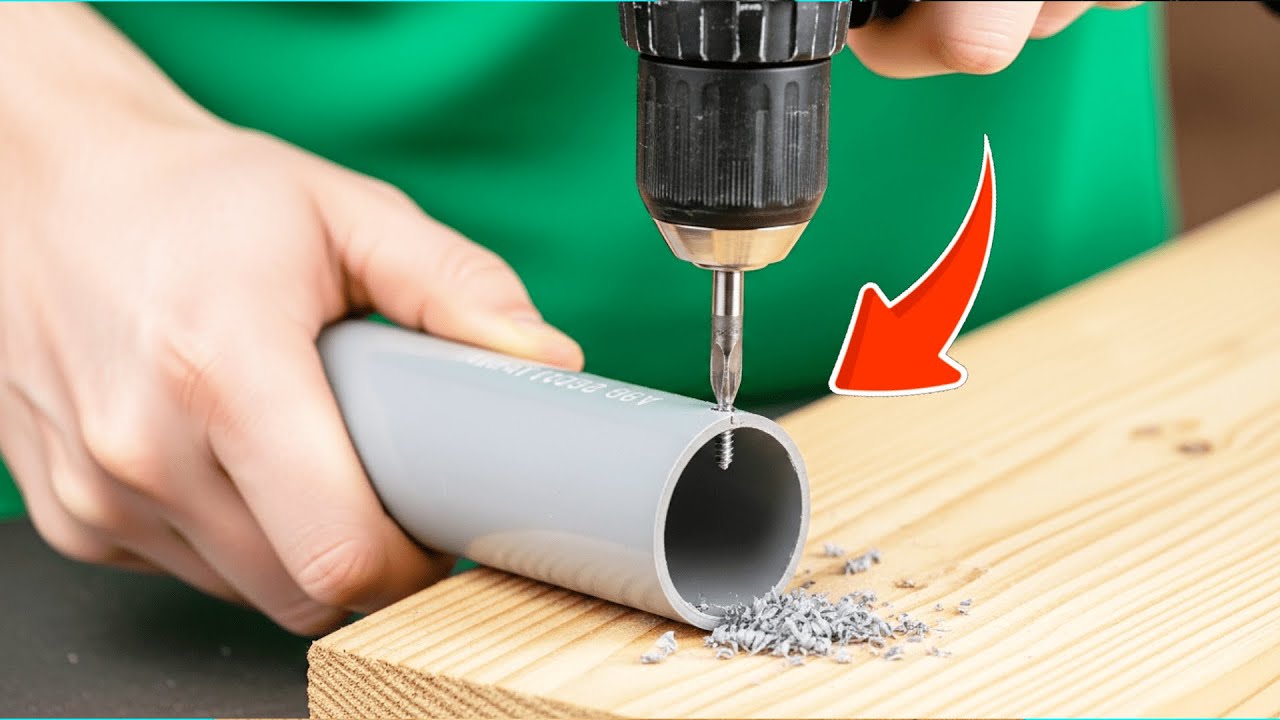
- Start with a smaller pilot hole to guide the larger bit.
- Apply light pressure rather than forcing the drill through the material.
- Angle the drill bit slightly to help it bite into the PVC smoothly.
Finishing Touches
Once you’ve drilled the hole, you might notice sharp edges. Use a deburring tool or sandpaper to smooth out these edges, preventing cuts or snags in the future.
Common Mistakes When Drilling PVC
Avoiding these common pitfalls will help you achieve better results in your projects.
Typical Errors to Watch For
- Using the wrong drill bit: Not all bits are created equal; ensure you’re using the appropriate one for plastic.
- Overheating: Failing to cool the material can lead to melting and deformation.
- Neglecting to secure the PVC: Loose material can cause inaccurate drilling and potential injuries.
FAQ
What type of drill bit is best for PVC?
A high-speed steel (HSS) bit or a specific step bit designed for plastic is ideal, as they can create clean holes without damaging the material.
Can I drill through thick PVC?
Yes, you can drill through thick PVC, but it’s essential to increase your drill speed and consider using larger pilot holes to facilitate the process.
How can I prevent cracking when drilling PVC?
To prevent cracking, ensure you use a sharp drill bit, apply light pressure, and keep the material cool during the drilling process.
Conclusion
Drilling PVC presents unique challenges, but with these essential tricks, you can navigate them confidently. From selecting the right tools to the proper techniques, you’re now better equipped for your next DIY project. What’s your favorite PVC project that you’re excited to tackle next?