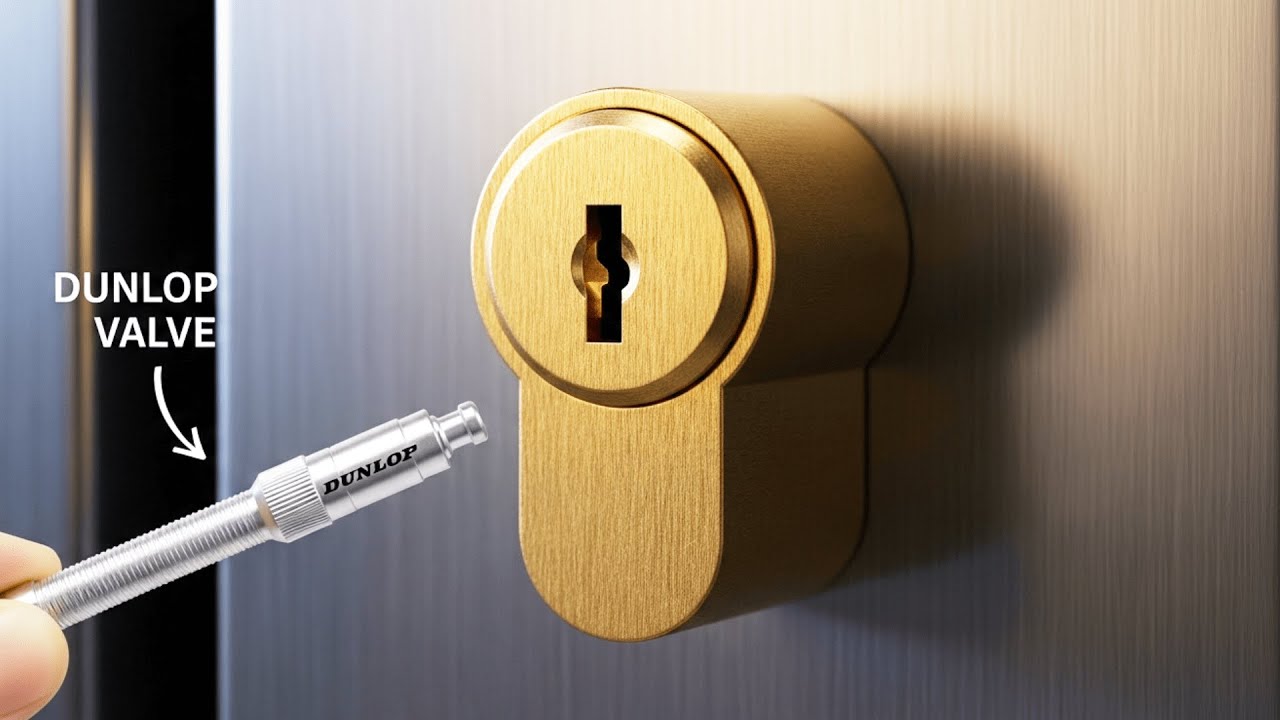
Unlock Your Door in 3 Easy Steps with This Secret Trick!
Unlocking Your Door: A Practical Guide to Easy Solutions
- Introduction
- Understanding Common Lock Issues
- Tools You Need for Success
- Step-by-Step Lock Unlocking
- Mistakes to Avoid When Unlocking Your Door
- Frequently Asked Questions
- Conclusion
Introduction
Picture this: you’re late to an important meeting, and your door just won’t budge. You fumble with your keys, only to realize that the lock is stuck. It can be incredibly frustrating to deal with lock issues when time is of the essence. Understanding the reasons behind these problems and knowing how to address them can save you from such panic. Keep reading to discover the best practices for unlocking your door smoothly and efficiently.
Understanding Common Lock Issues
Before delving into solutions, it helps to recognize some common lock issues that can impede your access. Here are a few:
- Sticky Locks: Often caused by dirt, rust, or moisture.
- Misaligned Strikes: When the strike plate is out of alignment, locks can get stuck.
- Worn or Damaged Keys: Using a worn key can prevent smooth operation.
Identifying Symptoms
Understanding the symptoms of these issues can help you tackle the problem more effectively. Pay attention to how the lock feels when you attempt to turn it or insert the key.
Common Causes
Factors such as weather changes, frequent use, and lack of maintenance can contribute significantly to these lock-related problems.
Tools You Need for Success
Equipping yourself with the right tools can make unlocking your door a less daunting task.
- Lubricant: Silicone spray or graphite lubricant can alleviate sticky locks.
- Screwdriver: Useful for adjusting misaligned strike plates.
- Flashlight: Essential for inspecting a stuck lock in darker places.
- Pliers: Can help when dealing with stubborn or broken keys.
Step-by-Step Lock Unlocking
Now that you understand some common lock issues and have your tools ready, let’s go through a practical approach to unlock your door seamlessly.
Step 1: Assess the Problem
Begin by identifying the specific issue with your lock. Is it sticky, misaligned, or is your key damaged? This will guide your next steps.
Step 2: Lubricate the Lock
If your lock is sticky, apply a small amount of lubricant directly into the keyhole. Be careful not to saturate it, as excessive lubricant can attract dirt over time.
Step 3: Realign if Needed
If the lock is misaligned, use a screwdriver to adjust the strike plate slightly. This can often resolve the alignment issue and allow the lock to function properly.
Step 4: Use Proper Techniques
Insert the key slowly and gently while turning. If it resists, do not force it. Instead, apply more lubricant or check for additional barriers.
Mistakes to Avoid When Unlocking Your Door
Tackling lock problems can be tricky. Here are a few common mistakes to sidestep:
- Overusing lubricant, which can lead to more build-up.
- Forcing a key into a lock that seems stuck, which may cause breakage.
- Neglecting maintenance, leading to more significant issues down the road.
- Ignoring signs of wear on your lock, which could mean it’s time for a replacement.
Frequently Asked Questions
What can I do if my key is stuck in the lock? Try gently wiggling the key while pulling it out. If that doesn’t work, lubricate the area and wait for a few minutes before trying again.
How often should I lubricate my locks? It’s recommended to lubricate locks at least once a year, or more frequently if you notice stiffness.
Can I replace my lock myself? Yes, many locks can be replaced with basic tools and some patience, but if you’re uncertain, consulting a professional is advisable.
Conclusion
Understanding how to unlock your door effectively can save you time and hassle. Regular maintenance and knowing the right steps can make a world of difference. What lock issues have you experienced, and how did you handle them? I’d love to hear your stories in the comments!