5 Expert Methods to Make Your Orchids Thrive with New Roots!
5 Expert Methods for Helping Your Orchids Thrive with New Roots
- Understanding Orchid Roots
- Proper Caring Techniques
- Common Mistakes to Avoid
- Frequently Asked Questions
Many orchid enthusiasts are often puzzled when their beloved plants seem to struggle with root growth. You may find that your orchids aren’t flourishing as you hoped, leading to concerns about their overall health and vitality. This challenge can happen for a number of reasons, from insufficient care to environmental factors. Understanding these aspects can be crucial in nurturing your orchids back to their vibrant selves. Continue reading to discover practical methods for boosting your orchids’ root systems.
Understanding Orchid Roots
Orchid roots are unique and play a vital role in a plant’s health. Recognizing their characteristics can help you provide better care.
1. Functionality of Roots
Orchid roots serve multiple purposes:
- They absorb moisture and nutrients.
- They anchor the plant to various surfaces.
- They exchange gases through their structure.
2. Types of Orchid Roots
It’s important to know that not all roots are the same. There are:
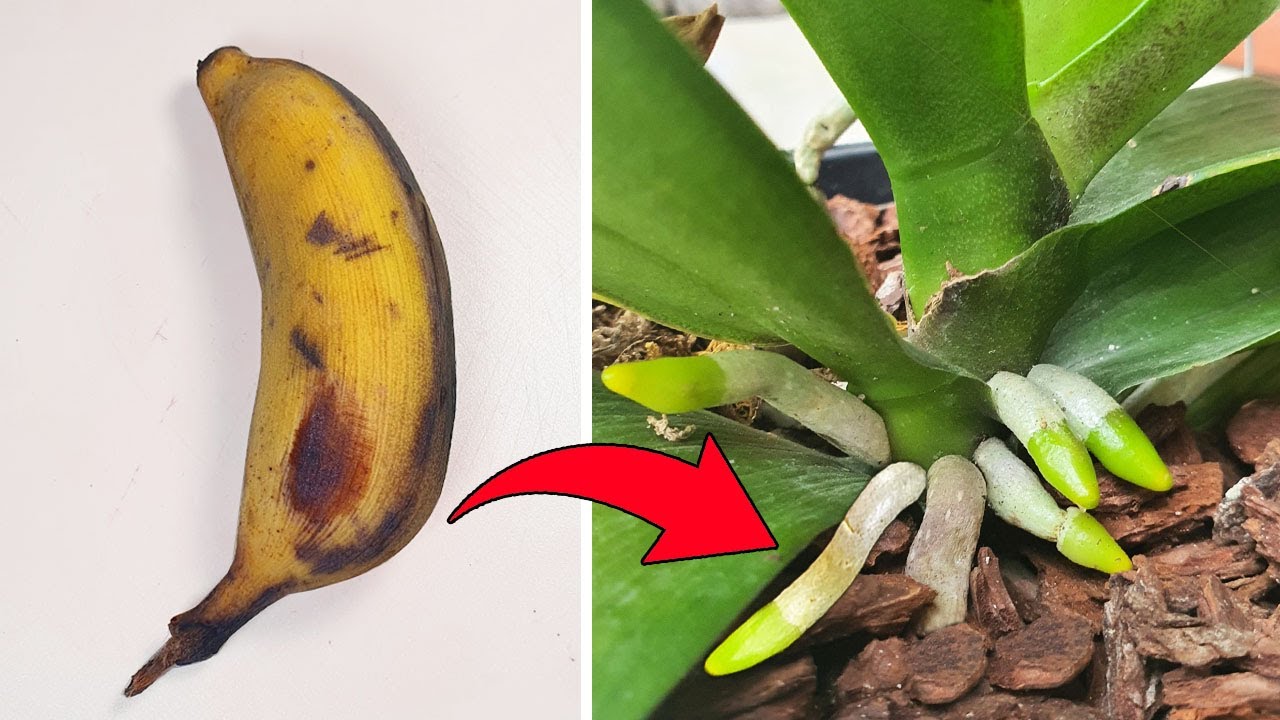
- Green roots: Healthy and capable of photosynthesis.
- Brown roots: Often dead or unhealthy, needing attention.
3. Signs of Root Problems
If your orchid is struggling, look for these signs:
- Yellowing leaves
- Wilting or drooping
- Stunted growth
Proper Caring Techniques for Orchids
Implementing effective care strategies can promote robust root systems in your orchids. Here are some tips to follow:
1. Watering Wisely
Too much or too little water can harm roots. Consider the following:
- Check the potting medium; it should be slightly damp but not soaked.
- Water your orchids thoroughly, allowing excess to drain away.
- Allow the roots to dry out before the next watering.
2. Providing Adequate Light
Light is crucial for root health. Ensure that:
- Your orchids get filtered sunlight or bright, indirect light.
- They’re not exposed to harsh direct sunlight, which can damage foliage.
3. Optimal Temperature and Humidity
Creating the right environment involves monitoring temperature and humidity:
- Keep room temperatures between 65°F to 75°F (18°C to 24°C).
- Maintain humidity levels around 50% to 70% for optimal growth.
4. Fertilizing for Growth
Regular feeding can boost root development:
- Use a balanced orchid fertilizer monthly.
- Dilute the fertilizer to half the recommended strength.
- Spray or apply during the growing season for best results.
Common Mistakes to Avoid
Even seasoned gardeners can make mistakes that hinder orchid root growth. Here are a few to watch out for:
- Overwatering: This often leads to root rot, a common issue in orchids.
- Insufficient light: Not providing enough light can stunt growth and affect roots.
- Ignoring repotting: Failing to repot regularly can lead to root-bound issues.
- Using poor potting media: Inappropriate medium can restrict air flow to roots.
Frequently Asked Questions
How often should I repot my orchids?
Generally, repotting every 1-2 years is advisable to refresh the potting medium and encourage healthy root growth.
What are the best materials for orchid potting medium?
Consider a mix that includes bark, sphagnum moss, and perlite, as these provide good drainage and aeration for roots.
How can I tell if my orchid roots are healthy?
Healthy roots are typically green and firm. A brown or mushy appearance can signal problems.
Conclusion
By understanding the needs of your orchids and implementing proper care techniques, you can encourage healthy root growth and overall vitality. What challenges have you faced with your orchids? Share your experiences in the comments below!