Eliminate Snails and Dilopoda with Just 1 Cup of This Powerful Water!
Eliminate Snails and Diplopoda with Just 1 Cup of Powerful Water
- Introduction
- Identifying Snails and Diplopoda
- Natural Solutions to Eliminate Pests
- Preparation Methods for Effective Use
- Common Mistakes to Avoid
- FAQ
- Conclusion
Introduction
If you’ve ever stepped into your garden and noticed slimy trails or unsightly holes in your precious plants, you’re not alone. Snails and Diplopoda, commonly known as millipedes, can overrun your gardening efforts, leaving you frustrated and wondering what to do. You may feel like you’ve tried everything, from chemical solutions to manual removal, but nothing seems to work. Luckily, there’s an effective and natural way to tackle this issue using just one cup of a powerful concoction. Keep reading to discover how you can reclaim your garden.
Identifying Snails and Diplopoda
Before taking any action, it’s crucial to identify what you’re dealing with. Understanding the characteristics of these pests will help you target your approach effectively.
Recognizing Snails
- Look for their soft, slimy bodies and coiled shells.
- Check for their trails, which often appear shiny.
- Watch for nocturnal activity; they are more active at night.
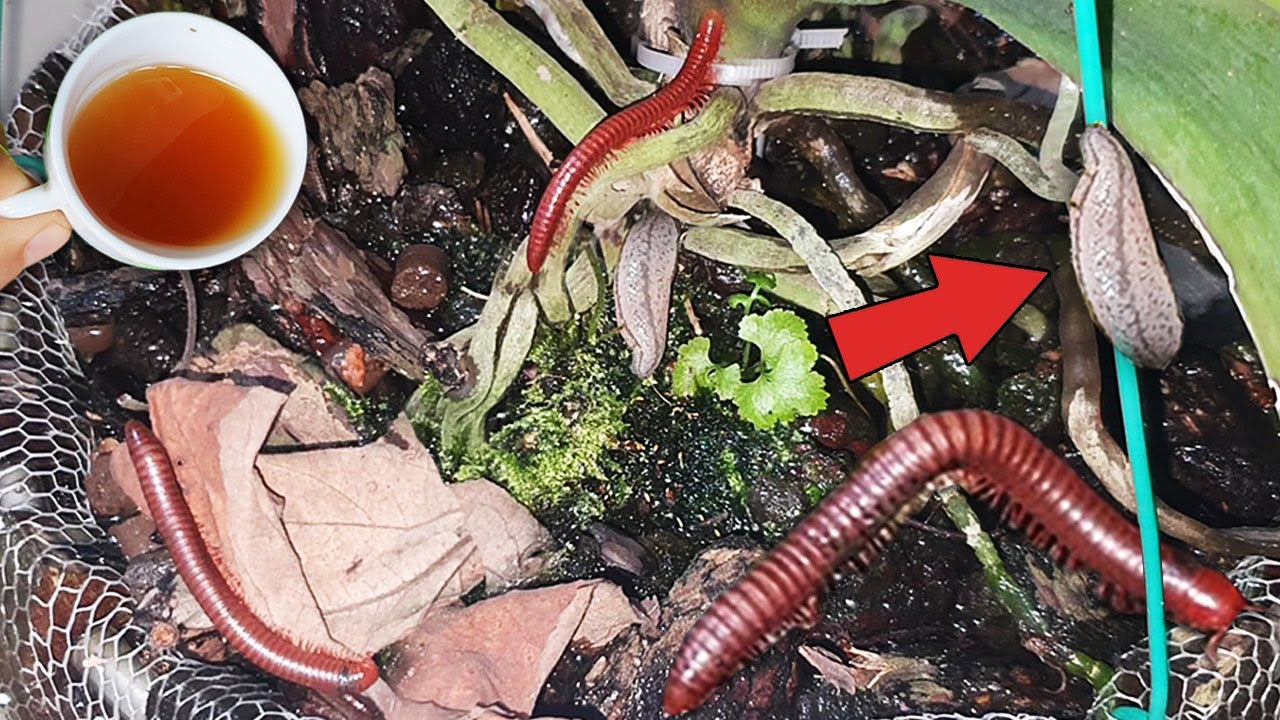
Spotting Diplopoda
- Notice their segmented bodies, which can be brown or black.
- Identify them by the number of legs; they typically have two pairs of legs per body segment.
- Look for their presence in damp areas, as they thrive in moisture.
Natural Solutions to Eliminate Pests
Utilizing natural remedies can be highly effective against these unwanted garden guests. Below are methods you can implement to reduce their populations.
Creating a Salt Water Solution
One of the simplest and most effective methods is to create a saltwater solution. Salt is a natural deterrent for both snails and Diplopoda.
- Mix one cup of salt in one gallon of water.
- Pour this mixture into a spray bottle.
- Spray it directly on affected areas of your garden.
Using Coffee as a Deterrent
Coffee grounds act as a natural repellent for snails and can deter Diplopoda as well.
- Sprinkle used coffee grounds around the base of your plants.
- Maintain a barrier without significant accumulation, as this can lead to fungal issues.
Preparation Methods for Effective Use
Proper preparation can enhance the effectiveness of your natural solutions, ensuring that you achieve the desired results without harming your plants.
Applying the Salt Water Solution
- Ensure your plants are healthy and well-watered before application to avoid damage.
- Target specific areas where you notice pest activity.
- Avoid applying too frequently; once a week is often sufficient.
Using Coffee Grounds
- Combine coffee grounds with compost to enhance nutrient value.
- Reapply as necessary after rain or watering, as they can wash away.
Common Mistakes to Avoid
When trying to eliminate snails and Diplopoda, it’s easy to make mistakes that can hinder your efforts. Here are some common pitfalls to avoid:
- Over-applying salt can damage your plants, so use it sparingly.
- Ignoring preventative measures like maintaining a dry garden can lead to further infestations.
- Neglecting to regularly check for signs of pests after treatment can allow them to return.
FAQ
What is the best way to get rid of snails in my garden?
Using a saltwater solution or coffee grounds are effective natural methods to keep snails at bay. Regularly check your garden for signs of new infestations.
Are Diplopoda harmful to my plants?
While Diplopoda primarily feed on decaying organic matter, large populations can occasionally harm delicate plants. Monitoring their numbers is key to preventing damage.
How often should I apply natural remedies for snails and Diplopoda?
Applying natural remedies once a week can be effective in keeping these pests under control, especially after heavy rainfall.
Conclusion
With the right approach, you can effectively eliminate snails and Diplopoda from your garden using simple, natural solutions. By monitoring and applying these methods regularly, you’ll protect your plants and promote a thriving garden. Have you tried any other methods for pest control in your garden? Share your experiences in the comments!