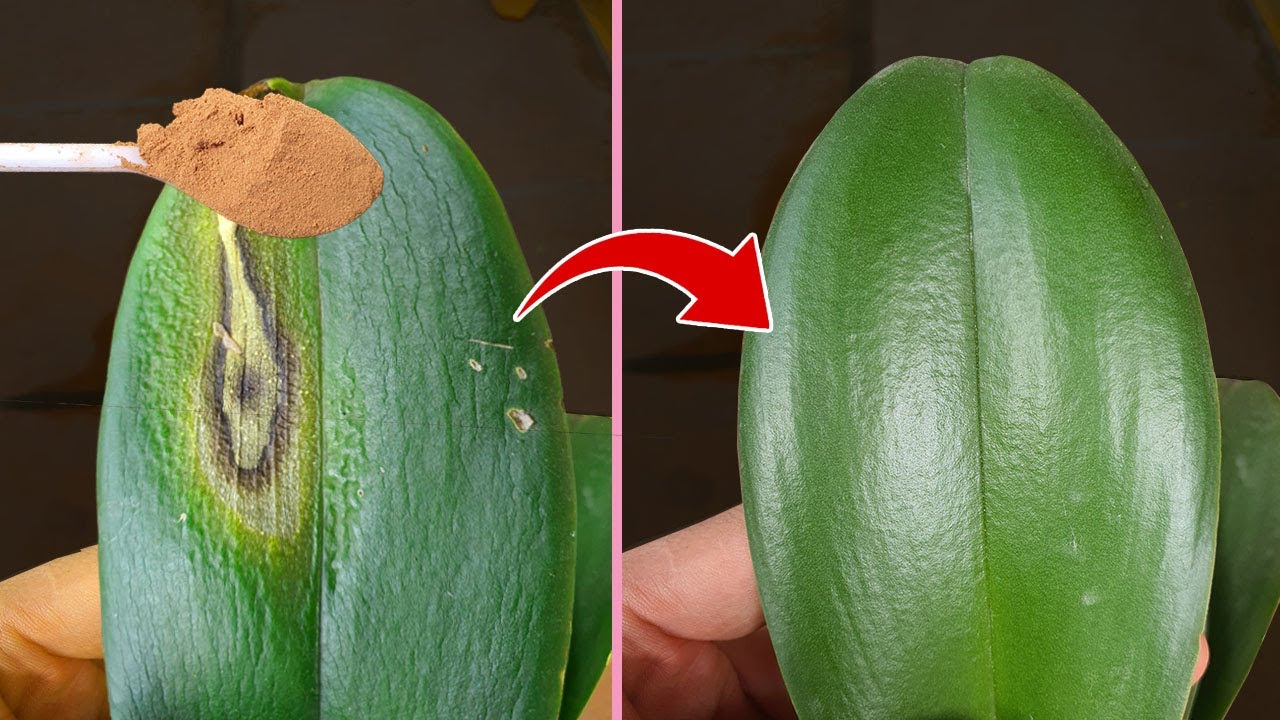
5 Secrets to Revive Your Wilted Orchid Leaves and Make Them Thrive
5 Secrets to Revive Your Wilted Orchid Leaves and Make Them Thrive
- Understanding Orchid Needs
- Common Causes of Wilting
- Reviving Your Orchid Leaves
- Mistakes to Avoid
- Frequently Asked Questions
Picture this: you’ve nurtured your beautiful orchid plant, only to find its leaves are wilting, and that vibrant green is fading fast. You may feel frustrated, unsure of what to do next. This is a common concern for many orchid enthusiasts, but don’t worry—there are strategies to bring your orchid back to life. Read on to uncover secrets that will help your orchid thrive once again.
Understanding Orchid Needs
Orchids are unique and exotic plants that require specific care to flourish. Understanding their basic needs is essential for keeping them healthy.
1. Light Requirements
Orchids generally thrive in bright, indirect light. Direct sunlight can scorch their leaves, while too little light can hinder flower production. Place your orchid near a window with filtered light or use sheer curtains to create the right atmosphere.
2. Temperature and Humidity
These plants prefer temperatures between 65°F to 75°F during the day and slightly cooler at night. Additionally, keeping humidity levels around 50-70% will boost your orchid’s growth. You might consider using a humidity tray or misting the leaves occasionally.
Common Causes of Wilting
Identifying the causes of wilting is crucial for targeting the right solutions.
1. Overwatering or Underwatering
Both scenarios can lead to yellowing and wilting leaves. Overwatered orchids may suffer from root rot, while underwatered plants can become dehydrated. Check the potting mix; it should be moist but not soggy.
2. Nutrient Deficiency
Lack of essential nutrients can stunt growth and lead to wilting. Use a balanced orchid fertilizer every few weeks during the growing season to ensure your plant receives adequate nutrition.
Reviving Your Orchid Leaves
If your orchid’s leaves are drooping, follow these steps to help revive them.
1. Assess Watering Habits
- Check the potting mix: Dig your finger into the soil up to an inch. If it’s dry, water your orchid until it drains from the bottom.
- Use proper drainage: Ensure your orchid pot has drainage holes to prevent standing water.
2. Adjust Light Exposure
If your orchid is too close to direct sunlight, gently move it to a spot where it can enjoy bright but indirect light. Keep an eye on your plant for a week to see if its condition improves.
3. Provide Humidity
- Use a humidity tray: Fill a shallow dish with water and stones. Place your orchid pot on top to increase ambient humidity.
- Mist the leaves: Lightly mist your orchid’s leaves in the morning to boost moisture.
Mistakes to Avoid
Even seasoned gardeners can make mistakes. Here are common pitfalls to steer clear of when caring for your orchids:
- Ignoring light conditions: Placing orchids in direct sunlight too long can cause leaf burn.
- Overwatering: Failing to let the potting mix dry out between watering can lead to root rot.
- Neglecting potting medium: Using the wrong type of potting mix can impede drainage and root growth.
- Forgetting about temperature: Sudden temperature changes, such as drafts, can shock orchids.
- Skipping fertilization: Not feeding orchids during their growing season can lead to nutrient deficiencies.
Frequently Asked Questions
What should I do if my orchid leaves are turning yellow? Yellowing leaves can indicate overwatering or a lack of nutrients. Check the soil moisture and consider fertilizing your orchid.
How often should I water my orchids? Generally, watering once a week is a good rule, but this can vary based on environmental conditions. Always check the potting mix for moisture first.
Can I save my wilting orchid? Yes, with the right adjustments in care regarding light, water, and humidity, you can often revive a wilting orchid.
Reviving a wilted orchid involves understanding its needs and making minor adjustments. By following these tips, you can help your plant not only recover but also thrive. What challenges have you faced with your orchids, and how did you overcome them? Your thoughts could help others on their gardening journey!