Discover 5 Secrets to Growing Stunning Orchids from Flower Branches!
5 Secrets to Growing Stunning Orchids from Flower Branches
- Introduction
- Growing Orchids from Flower Branches
- Watering Tips for Orchids
- Light Requirements for Healthy Orchids
- Common Mistakes to Avoid
- FAQ
- Conclusion
Introduction
Have you ever found yourself captivated by the intricate beauty of orchids but worried about your ability to grow them? Many people love these elegant flowers but struggle with their care, especially when starting from flower branches. This process can seem daunting, leaving you questioning what steps to take and what common mistakes to avoid. However, growing orchids from cuttings is both rewarding and achievable with the right knowledge and tips. Let’s explore how you can nurture these stunning plants!
Growing Orchids from Flower Branches
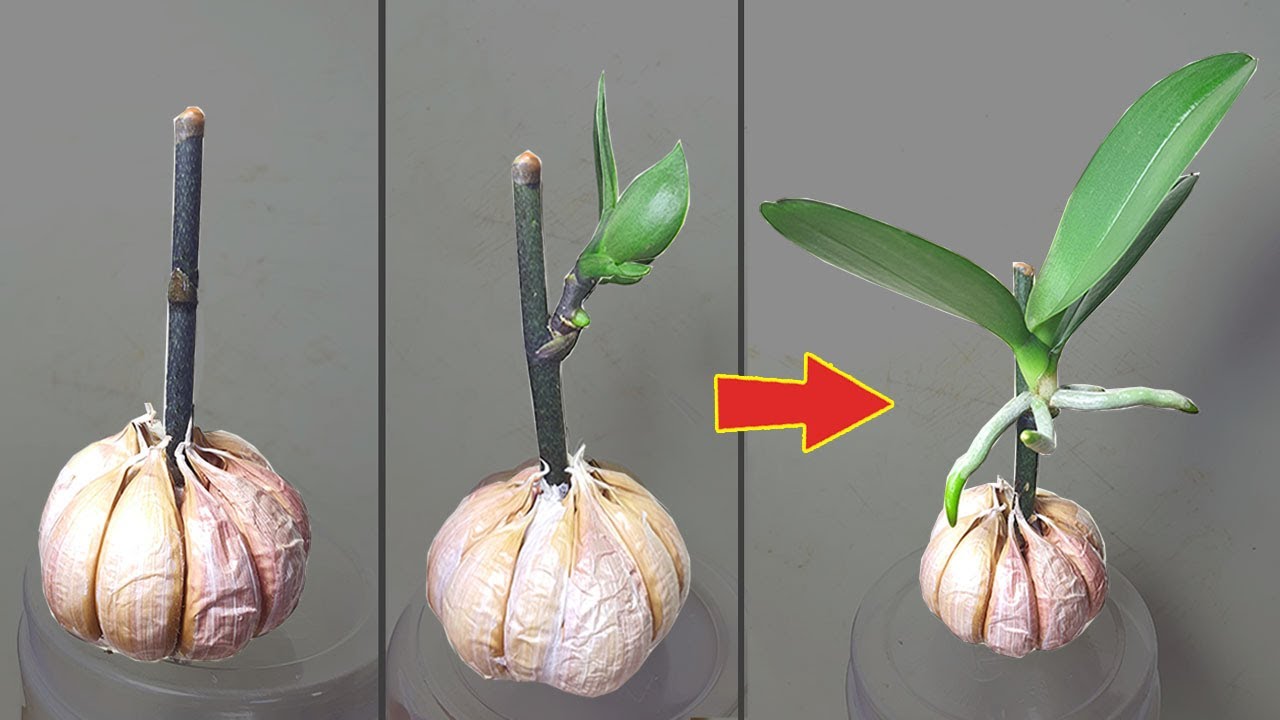
Starting your orchid journey with flower branches involves understanding the basics that lead to successful growth. Here are the steps you can take to cultivate your orchids from these cuttings:
- Select healthy flower branches:
Choose branches that are firm and green, free from any signs of disease or pests. Ideally, they should be taken from a healthy, flowering orchid.
- Prepare the cuttings:
Cut each branch into segments of about 6-8 inches. Ensure each segment has at least one node, which is where new roots or shoots will grow.
- Use a rooting hormone:
Dip the cut end of each segment into a rooting hormone to encourage root development. This step can significantly enhance the chances of successful growth.
- Plant the cuttings:
Use a well-draining orchid mix or substrate. Plant your cuttings upright, ensuring the node is buried in the mix while keeping the upper part exposed.
- Provide proper humidity:
Orchids thrive in a humid environment. Mist the cuttings regularly or consider placing a humidity dome over them. This will help maintain moisture levels, crucial for root development.
Watering Tips for Orchids
Watering is a decisive factor in the healthy growth of your orchids. Here are a few guidelines to ensure you’re meeting their needs:
- Check the moisture level:
Before watering, feel the substrate with your fingers. Only water when the top inch feels dry. Overwatering can lead to root rot.
- Use lukewarm water:
Cold water can shock orchids. Use lukewarm water when you water to help them adapt. Water early in the day so that any excess moisture can evaporate.
- Water thoroughly:
Ensure the water runs out from the drainage holes at the bottom of the pot. This guarantees all roots receive adequate moisture.
Light Requirements for Healthy Orchids
Orchids need the right lighting conditions for optimal growth. Here’s what to consider:
- Place in bright, indirect light:
Locate your orchids in a spot with bright, filtered light—like near a window with sheer curtains. Direct sunlight can scorch the leaves.
- Rotate your plants:
To ensure even growth, rotate your orchids weekly. This allows all sides to receive adequate light exposure.
- Monitor for changes:
If you notice leaves turning yellow or dark green, it may be a sign they’re getting too much or too little light. Adjust their position accordingly.
Common Mistakes to Avoid
While growing orchids can be fulfilling, it’s essential to be aware of common pitfalls to prevent harm to your plants:
- Overwatering: Many people assume more water means better growth, leading to root rot.
- Insufficient light: Neglecting light requirements can cause stunted growth or death.
- Ignoring humidity: Orchids thrive in humid conditions; neglect can halt their development.
- Using regular potting soil: Orchids need a specific mix; using standard soil can suffocate roots.
FAQ
What type of pot is best for orchids? A pot with drainage holes is essential for orchids to prevent overwatering and enable air circulation around the roots.
How often should I repot my orchids? Generally, orchids should be repotted every 1-2 years, or when you see the growing medium breaking down.
Can I grow orchids indoors? Yes, many orchids thrive indoors, provided they receive enough light and humidity.
Conclusion
With the right techniques and understanding, growing orchids from flower branches can be an enriching experience. By following these guidelines, you’ll be well on your way to nurturing beautiful orchids. What other gardening tips have you found useful in your plant journey? Your insights could help others in our community!