3 Smart Uses for Disposable Food Containers You Didn’t Know About!
3 Creative Ways to Repurpose Disposable Food Containers
- Introduction
- Smart Uses for Disposable Food Containers
- Gardening Helper
- Storage Solution
- Art Project
- Mistakes to Avoid
- FAQ
- Conclusion
Introduction
Have you ever found your kitchen overflowing with disposable food containers, unsure of what to do with them? Instead of tossing these versatile items into the recycling bin, consider some innovative ways to give them a second life. Whether you’re an avid gardener, a savvy organizer, or a creative DIY enthusiast, these simple solutions will help you make the most of those leftover containers. Keep reading to discover some practical ideas that can transform your space and save you money.
Smart Uses for Disposable Food Containers
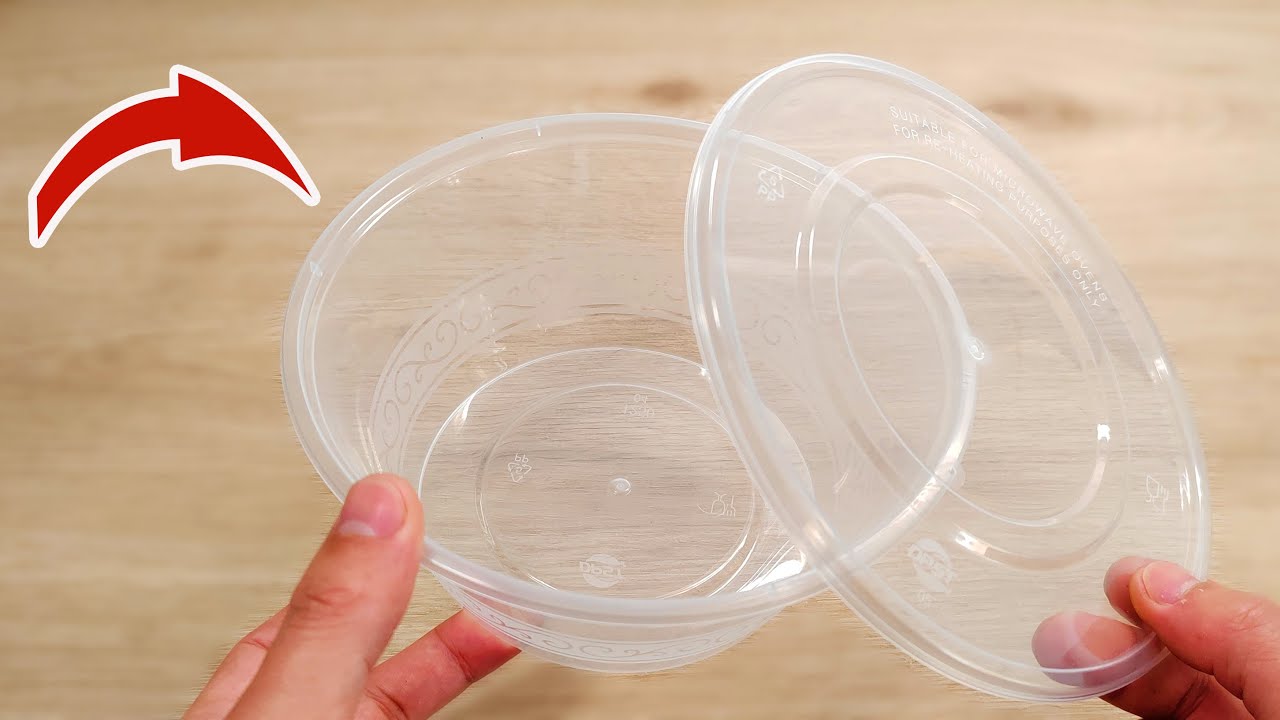
Disposable food containers are not just for takeout. They offer a variety of applications around your home that can help you declutter and organize different spaces. Here are three creative uses for these containers that you may not have considered.
1. Gardening Helper
Turn your disposable food containers into gardening tools that support your green thumb. Here’s how:
- Gather your materials: You will need clear containers with lids, potting soil, and seeds or seedlings.
- Prepare the containers: Clean your containers thoroughly and make small drainage holes in the bottom.
- Fill with soil: Add potting soil to each container, leaving about an inch of space from the top.
- Plant your seeds: Place a few seeds or a small seedling in each container and cover lightly with soil.
- Create a mini-greenhouse: Place the lids on the containers to retain moisture, creating a greenhouse effect until your plants sprout.
As the plants grow, you can remove the lids to allow for airflow and prevent mold. This method is particularly useful for herbs and small vegetables.
2. Storage Solution
Disposable food containers are ideal for organizing various household items. Here’s a quick way to make your storage more efficient:
- Use them to store small tools, screws, or nails in your garage or workshop.
- Organize your craft supplies by sorting beads, buttons, and thread in different containers.
- Keep your kitchen tidy by using containers for snacks, spices, or leftover portions in the fridge.
Label the containers with masking tape or permanent markers to easily identify contents. This will not only help keep everything organized but also save you time when searching for what you need.
3. Art Project
You can also use disposable food containers as a canvas for your creative side. This is great for both adults and kids:
- Collect your materials: Gather various containers, acrylic paints, brushes, and other decorative supplies.
- Clean and prep: Ensure that the containers are clean and dry before you start your project.
- Design your masterpiece: Get creative with colors and patterns to turn the containers into unique art pieces or storage solutions.
- Display your work: Use them as planters, decorative storage, or simply display them as art.
This not only keeps your space lively but also allows you to engage in a fun and productive activity.
Mistakes to Avoid
When repurposing disposable food containers, there are some common pitfalls to consider:
- Not cleaning the containers properly before reuse can lead to odor or mold issues.
- Choosing containers that are not suitable for the intended use, such as using weak plastic for storage.
- Overloading containers with heavy materials can cause them to break or warp.
By avoiding these mistakes, you’ll ensure longer-lasting and more effective repurposing of your containers.
FAQ
What types of food containers can be repurposed?
You can repurpose a variety of disposable food containers, such as plastic takeout boxes, yogurt cups, and deli containers. Just ensure they are clean and safe for your intended use.
How can I clean disposable food containers?
To clean them, wash with warm, soapy water and rinse thoroughly. You may also use a mixture of vinegar and baking soda for tougher stains and odors.
Are there any safety concerns with using these containers?
Avoid using containers that previously held food not safe for reuse, such as those with strong odors or stains. Always check for BPA-free labeling if using for food storage.
Conclusion
Repurposing disposable food containers offers a sustainable way to declutter while adding functionality to your home. From gardening helpers to creative art projects, these containers can find new life in exciting ways. What unique uses have you discovered for your food containers? Share your thoughts in the comments!