5 Surprising Ways Used Sponges Can Boost Your Plants! Discover the Secret!
5 Surprising Ways Used Sponges Can Boost Your Plants
- Introduction
- Benefits of Sponges in Gardening
- Creative Uses for Used Sponges
- Common Mistakes to Avoid
- FAQ
- Conclusion
Introduction
Have you ever discarded a used kitchen sponge, not realizing its potential? Most people toss sponges away without a second thought, overlooking their eco-friendly contributions. However, these humble household items can provide surprising benefits to your plants. By understanding the innovative ways to repurpose them, you can create a more sustainable gardening experience. Continue reading to learn how you can transform your used sponges into valuable gardening tools.
Benefits of Sponges in Gardening
Using sponges in your garden can enhance both plant health and your gardening practices. Here are some key benefits:
- 1. Water Retention: Sponges can absorb water and release it slowly, ensuring that your plants receive consistent moisture.
- 2. Improved Aeration: When used as a base in pots, sponges help with aeration, allowing roots to breathe more easily.
- 3. Nutrient Reservoir: Sponges can hold fertilizers and nutrients, gradually releasing them to your plants as needed.
How to Utilize Water Absorption
To maximize the water retention benefits of used sponges:
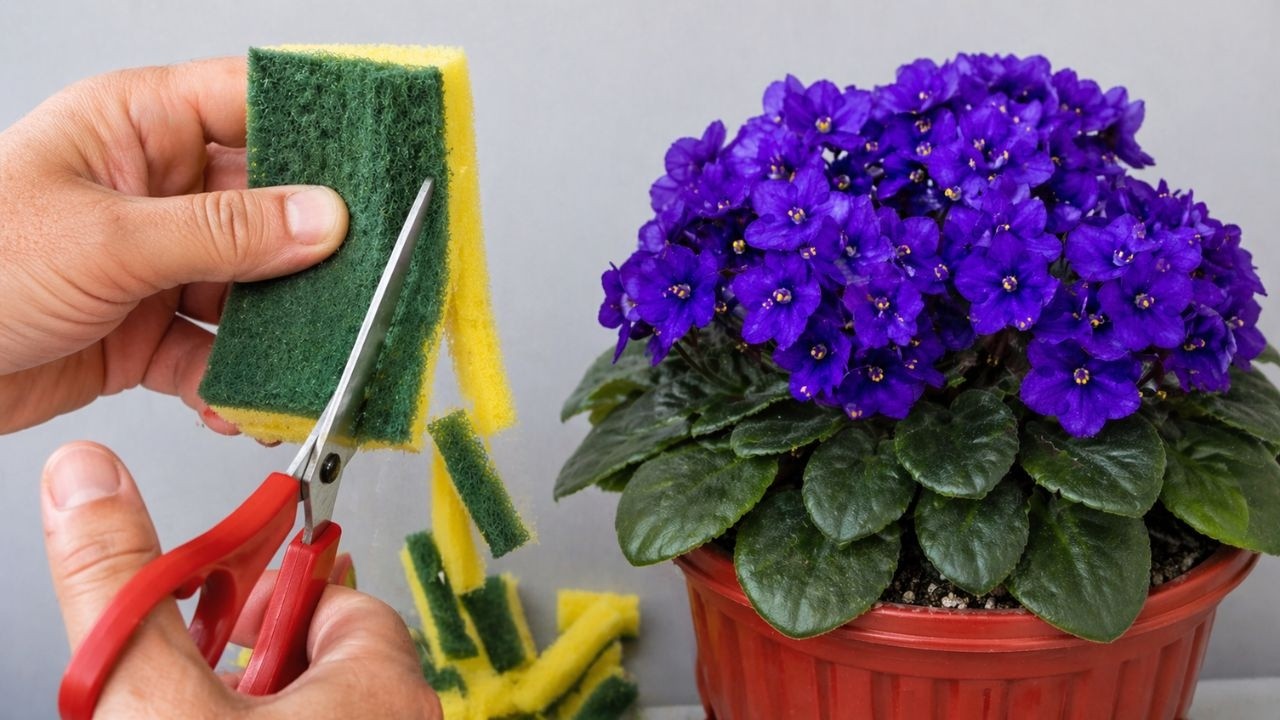
- Cut the sponge into smaller pieces.
- Soak the pieces in water until fully saturated.
- Place them in the soil of your potted plants to maintain moisture levels.
Enhancing Soil Health
Incorporating used sponges into your soil can improve its overall health. Here’s how:
- **Blend** small sponge pieces into the soil to enhance texture.
- **Combine** with compost for added nutrients.
Creative Uses for Used Sponges
There are countless creative methods to incorporate used sponges into your gardening routine. Here are some inventive ways:
Planters and Seed Starters
Sponges can serve as excellent tools for starting seeds. Here’s how:
- Cut sponges into small sections.
- Moisten the pieces well.
- Plant seeds directly in them or use them as a seed starter tray.
Mulch Material
Used sponges can also act as a lightweight mulch. Consider these steps:
- Shred sponges into smaller bits.
- Spread them around plants to help retain moisture and suppress weeds.
Common Mistakes to Avoid
Repurposing sponges can be beneficial, but it’s important to avoid a few common mistakes:
- Using Dirty Sponges: Always clean your sponges thoroughly before using them in your garden.
- Neglecting to Replace: Regularly check and replace sponges as they degrade to maintain effectiveness.
- Overlooking Chemical Residues: Ensure that any sponges used have not been exposed to harmful chemicals, especially if they’ve been used for cleaning.
FAQ
Can I use any type of sponge in my garden?
While most sponges can be used, it’s best to avoid sponges with synthetic materials. Natural sponges work best for gardening.
How often should I replace used sponges?
It’s advisable to replace used sponges every few months to ensure they remain effective and free from harmful bacteria.
Do used sponges really help with soil drainage?
Yes, sponges help improve soil drainage by allowing air to circulate and can enhance root growth in your plants.
Conclusion
Repurposing used sponges can significantly boost your gardening efforts through improved water retention and soil health. By incorporating these techniques, you’ll contribute to a more sustainable gardening practice. What unique ways have you discovered to use household items in your garden?