Unlock 7 Secrets to Amazing Flowering: Transform Your Plants Today!
Unlock 7 Secrets to Amazing Flowering: Transform Your Plants Today!
Have you ever found yourself staring at your garden, wishing for vibrant blooms but only seeing a few lackluster flowers? It’s frustrating when your efforts don’t yield the colorful display you envisioned. Many gardeners face this challenge, feeling unsure about what their plants need to thrive. Understanding the secrets to encourage flourishing blooms can transform your garden into a stunning visual feast. Let’s delve deeper into how to unleash the beauty in your flowering plants.
- Understanding Plant Needs
- Optimal Lighting Conditions
- Proper Watering and Nutrition
- Importance of Seasonal Care
- Common Mistakes to Avoid
- FAQ
Understanding Plant Needs
Every plant has distinct requirements that influence its growth and flowering potential. Recognizing these needs can be the first step toward a vibrant garden.
Identifying Plant Types
Understanding whether your plants are annuals, perennials, or biennials informs your care strategies. Here’s a quick breakdown:
- Annuals: These complete their life cycle in one season. Examples include petunias and marigolds.
- Perennials: They return year after year, such as peonies and daisies.
- Biennials: These take two years to complete their cycle, like foxgloves.
Assessing Soil Quality
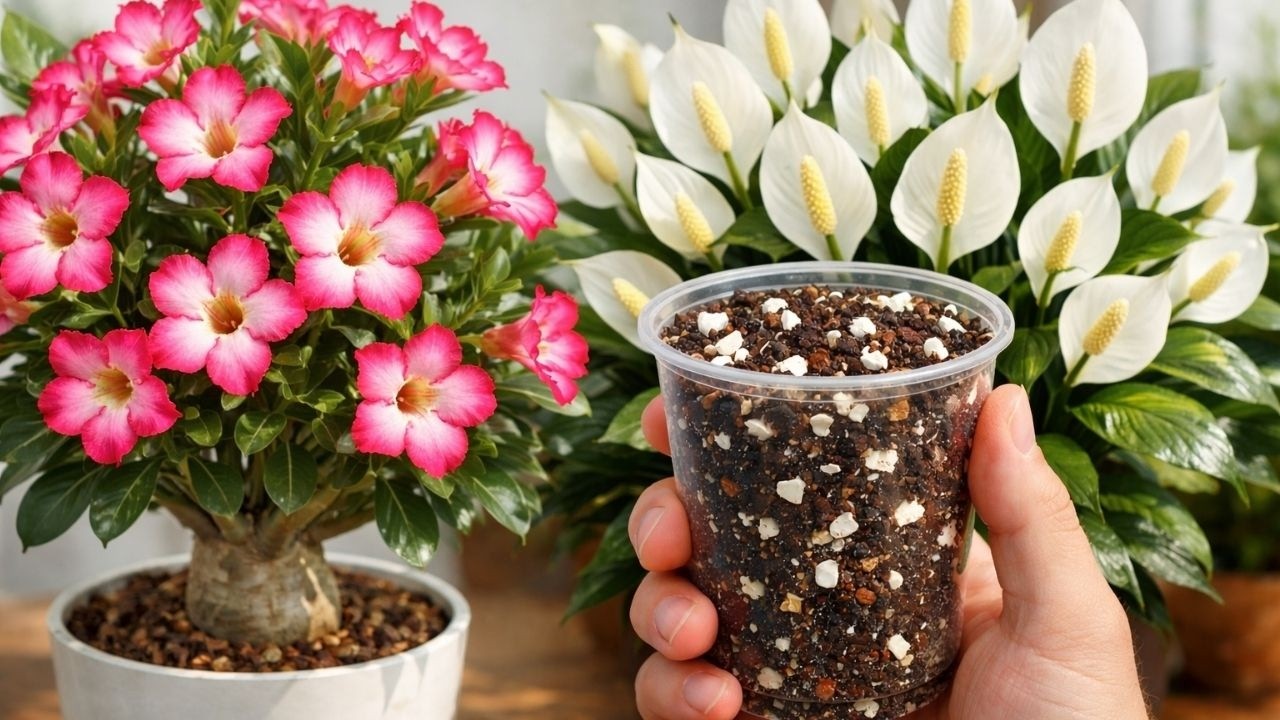
Healthy soil is essential for impressive flowering. Conducting a simple soil test can reveal nutrient levels and pH balance. Aim for loamy, well-draining soil enriched with organic matter.
Optimal Lighting Conditions
Light plays a crucial role in the flowering process. The right balance of sunlight and shade can significantly improve bloom quality.
Sunlight Requirements
Most flowering plants thrive best in full sun. Here’s how to ensure your plants get the light they need:
- Observe: Note the sunlight patterns in your garden throughout the day.
- Select: Choose plants suited for your garden’s light conditions, whether it’s full sun, partial shade, or full shade.
- Adjust: If necessary, consider relocating plants that aren’t getting enough sunlight.
Providing Shade
Some plants may suffer from too much sun exposure. You can create shaded areas for those delicate varieties by using garden structures like trellises or by planting them near taller plants.
Proper Watering and Nutrition
Water and nutrients are vital for any plant’s development. Providing them accurately can lead to striking flowers.
Watering Techniques
Watering deeply encourages strong root systems. Here are some tips to optimize your watering routine:
- Frequency: Water your plants once or twice a week, depending on rainfall.
- Method: Water at the base of the plant to avoid wetting the foliage, which can cause diseases.
- Timing: Water early in the morning or late in the afternoon when temperatures are cooler.
Nutrient Management
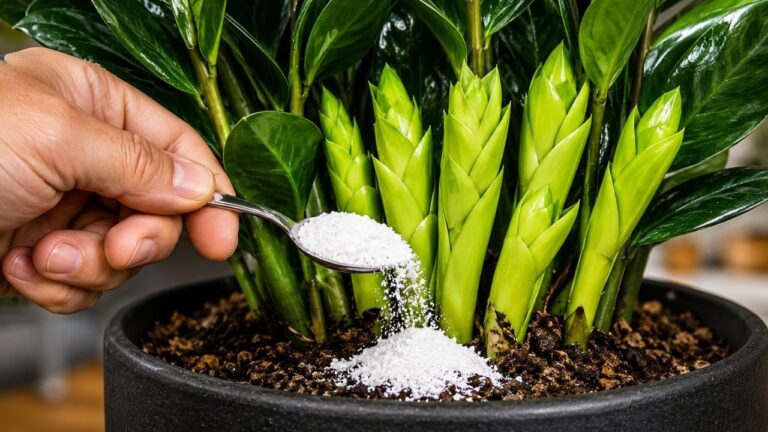
Regularly fertilizing during the growing season can enhance blooming. Choose a balanced fertilizer designed for flowering plants and follow the packaging instructions for best results.
Importance of Seasonal Care
Adapting your care regimen according to the seasons can profoundly impact your plants’ flowering capabilities.
Spring Preparations
Spring is vital for preparing your garden. Clean out debris, cut back dead growth, and amend the soil with compost to boost nutrient levels.
Summer Maintenance
During summer, deadheading spent blooms encourages further flowering. Regularly check for pests and diseases, ensuring your plants remain healthy.
Common Mistakes to Avoid
Even experienced gardeners can sometimes make small mistakes that hinder blooming. Here are some common pitfalls:
Poor Soil Choice
Using compacted or nutrient-poor soil can restrict growth. Ensure you amend the soil properly and enrich it for optimal plant development.
Over-Watering
Excess water can lead to root rot. Always check the soil moisture before watering.
Ignoring Plant Spacing
Crowding plants interferes with airflow and light exposure. Be sure to space them appropriately based on their mature size.
Neglecting Pruning
Failing to prune can result in overcrowded blooms and lower air circulation. Regularly prune to promote healthy growth.
Seasonal Blindness
Every season brings specific care needs. Overlooking seasonal adjustments can lead to poor flowering.
FAQ
What factors affect flowering in plants?
Factors include light exposure, soil health, watering practices, and seasonal care. Each has a significant impact on bloom quality.
How often should I fertilize my flowering plants?
Fertilizing every 4-6 weeks during the growing season is generally effective. Follow specific guidelines for each plant type.
Can I encourage flowering on houseplants?
Yes, houseplants can also bloom with the right care, including ensuring they receive adequate light, proper watering, and correct soil type.
Conclusion
Understanding plant needs, providing optimal conditions, and avoiding common mistakes can lead to stunning blooms. What strategies have you found most effective in encouraging flowering in your garden? Your tips might just help another gardener on their journey!