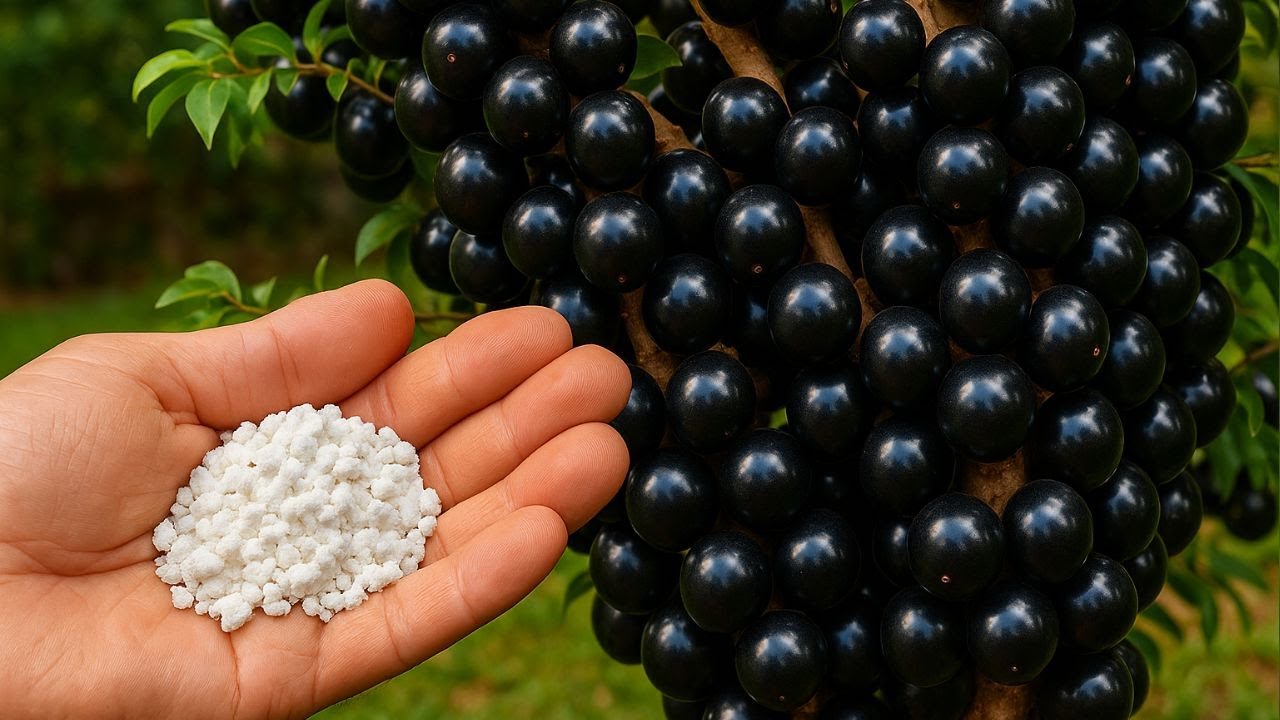
1 Spoon to Grow Fruit All Year Long – Discover This Game-Changing Plant Tip!
One Spoon to Grow Fruit All Year Long: A Garden Innovation
Introduction
Imagine looking out your window and seeing a vibrant fruit-producing tree right in your backyard, irrespective of the season. This is the dream for many home gardeners—having a diverse selection of fresh fruits readily available. However, the thought of maintaining multiple fruit trees can often feel overwhelming. Fortunately, there’s a simple method involving one spoon that can help you grow different fruits together. Read on to uncover how easy it can be to reap the rewards of year-round fruit production in your garden.
Benefits of Multi-Fruit Planting
Combining different fruits into a single tree or plant offers several advantages that go beyond just saving space.
1. Space Efficiency
Utilizing multi-fruit planting allows you to maximize your garden space, making it ideal for smaller plots. You can fit more variety without requiring additional planting areas.
2. Extended Harvest Season
By growing multiple types of fruit that ripen at different times, you can enjoy fresh produce throughout the year. This diversifies your harvest and provides an ongoing source of nutrients.
3. Increased Pollination
Planting different fruits together can encourage better pollination, as various flowering times attract a wider range of pollinators to your garden. This can improve yields for all plants involved.
How to Prepare Your Plant
Setting up your multi-fruit tree begins with selecting the right plants and using a straightforward method. Here’s how to get started:
1. Materials Needed
- One fruit tree (like a peach or apple)
- Two different fruit varieties (e.g., cherry and plum)
- Garden shovel
- Organic compost
- Watering can
2. Steps to Planting
- Select a suitable fruit tree that serves as the main base.
- Choose two compatible fruit varieties that can graft together.
- Dig a hole deep enough to accommodate the roots of the base tree, adding in compost for nutrients.
- Insert the two fruit varieties into the lower sections of the main tree using grafting techniques. Secure them well to ensure proper growth.
- Water the plants generously and continue to care for them regularly.
3. Practical Tips
- Choose fruits that are compatible with each other—some fruits thrive better together.
- Keep a close eye on how well the grafting takes; this can take some time.
- Ensure that all plants get sufficient sunlight and nutrients from the soil for optimal growth.
Mistakes to Avoid
While combining fruits can be rewarding, there are several common pitfalls to be aware of:
- Ignoring compatibility: Not all fruits can be grafted together. Research before selecting your plants.
- Overwatering: Too much water can drown roots and lead to poor health.
- Neglecting regular care: Even multi-fruit plants need regular feeding and pruning to thrive.
- Choosing the wrong location: Plant in a space where all varieties will receive adequate sunlight.
- Skipping pest control: One fruit variety’s pests can affect the others, so be vigilant.
FAQ
Can I grow different types of fruits on the same tree?
Yes, using grafting techniques, you can combine different fruits on the same tree, allowing for an extended harvest and saving space.
How do I care for a multi-fruit tree?
Regular watering, feeding, and monitoring for pests are essential. Each fruit variety may have different needs, so be attentive to each plant.
What season is best for planting?
Generally, the best time to plant a multi-fruit tree is during early spring or fall when the soil is warmer and conditions are optimal for growth.
Conclusion
Growing multiple fruits from one plant is not only a space-saving solution but also a way to enjoy diverse harvests year-round. With the right preparation and care, you can create a thriving multi-fruit garden in your own yard. What fruits are you excited to try planting together?