Root Any Branch for Free: 5 Easy Steps to Master This Infalible Technique!
Root Any Branch for Free: A Practical Guide to Mastering This Technique
- Introduction
- Understanding the Rooting Process
- Required Materials
- Step-by-Step Guide
- Common Mistakes in Rooting
- FAQ
- Conclusion
Introduction
You might have a vibrant shrub or a favorite houseplant that you wish you could multiply without spending a dime. The thought of propagating new plants from existing branches can be exciting, yet tackling this process without guidance may leave you feeling overwhelmed. You might wonder if it’s truly that simple or if there are hidden pitfalls to avoid. Fear not, as you are about to discover a straightforward method to root any branch and fill your garden with beautiful, free plants. Read on to explore this hands-on journey.
Understanding the Rooting Process
Before diving into the practical steps, it’s helpful to understand the science behind rooting. This process involves taking a cutting from a plant and encouraging it to grow roots, establishing a new plant in the process. Various factors, including moisture, humidity, and care, play pivotal roles in ensuring successful rooting.
Benefits of Plant Propagation
- Cost-effective way to expand your garden or indoor plant collection.
- Allows you to preserve beloved plant varieties.
- Fun and rewarding activity for gardening enthusiasts of all levels.
Best Plants for Rooting
Some plants root more easily than others. Consider starting with:
- Succulents – Their natural resilience aids in successful propagation.
- Herbs – Basil and mint are particularly easy to root.
- Houseplants – Pothos and spider plants thrive when propagated.
Required Materials
Before beginning, gather your materials. Having everything on hand will make the process seamless and enjoyable.
- Sharp scissors or pruning shears
- A small container for water or soil
- Rooting hormone (optional but helpful)
- Plastic bag or clear container to retain humidity
Step-by-Step Guide
This guide will provide you with a simplified approach to rooting any branch effectively. Whether you decide to propagate in water or soil is up to you, but both methods are effective.
1. Select a Healthy Branch
Your first step is to choose a healthy branch. Look for a cutting that is about 4 to 6 inches long, preferably with at least a few leaf nodes, as these will become roots.
2. Make Your Cut
Using your sharp scissors or pruning shears, cut just below a leaf node. This node is where new roots will develop.
3. Prepare for Rooting
Next, you will want to handle your cutting with care:
- If using soil, dip the cut end in rooting hormone to enhance root development.
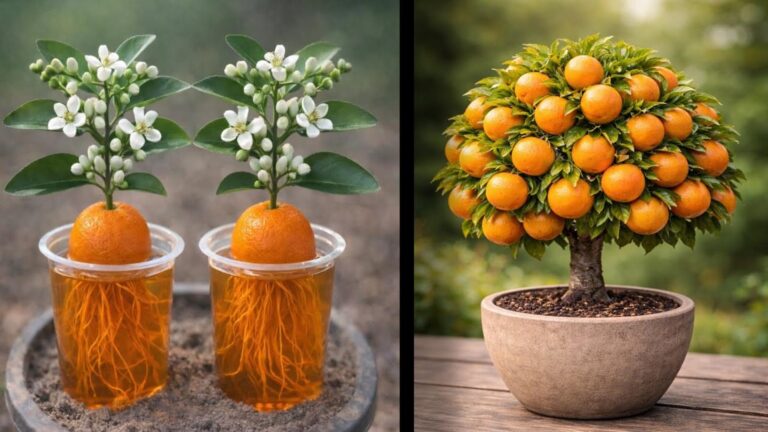
- If propagating in water, place the cutting directly into a glass of water with the nodes submerged.
4. Create a Humid Environment
To encourage growth, cover your cutting with a plastic bag or place it in a clear container. This traps moisture and mimics a greenhouse environment.
5. Monitor and Maintain
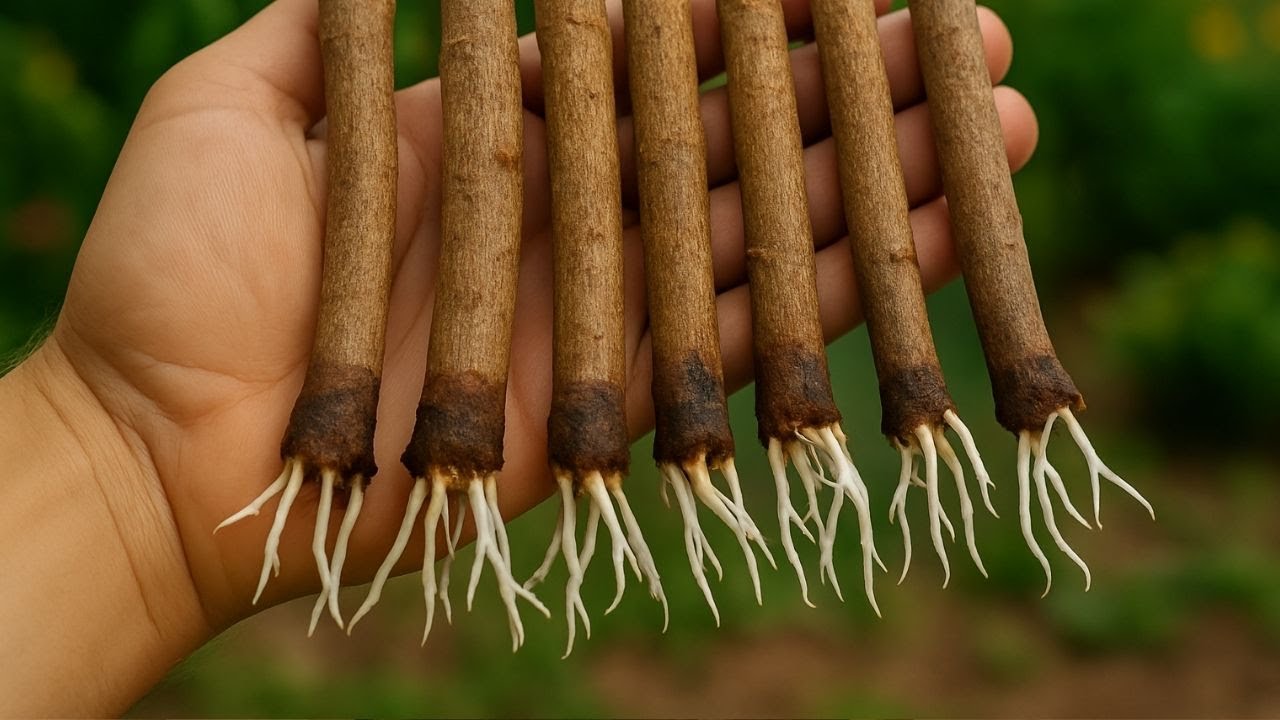
Place the cutting in a location with indirect sunlight. Regularly check the water level or soil moisture. After a few weeks, you should start to see root growth.
Common Mistakes in Rooting
- Using unhealthy or diseased cuttings, which can hinder growth.
- Overwatering or allowing the cutting to dry out completely.
- Placing the cutting in direct sunlight, which can scorch the tender leaves.
- Neglecting to change the water, which can lead to rot.
FAQ
How long does it take for a branch to root?
Rooting can take anywhere from a few weeks to a couple of months, depending on the plant type and conditions.
Can I root multiple cuttings at once?
Yes, you can root multiple cuttings simultaneously, just ensure they have enough space and air circulation.
Should I cut leaves from my cutting?
It’s advisable to remove some leaves from the bottom node to reduce water loss, leaving some on top to facilitate photosynthesis.
Conclusion
Propagating plants through rooting branches is an enriching experience that allows you to grow your garden without spending money. With the right approach and care, you can enjoy lush greenery all around your home. What plants are you excited to try propagating? Feel free to share your thoughts in the comments!