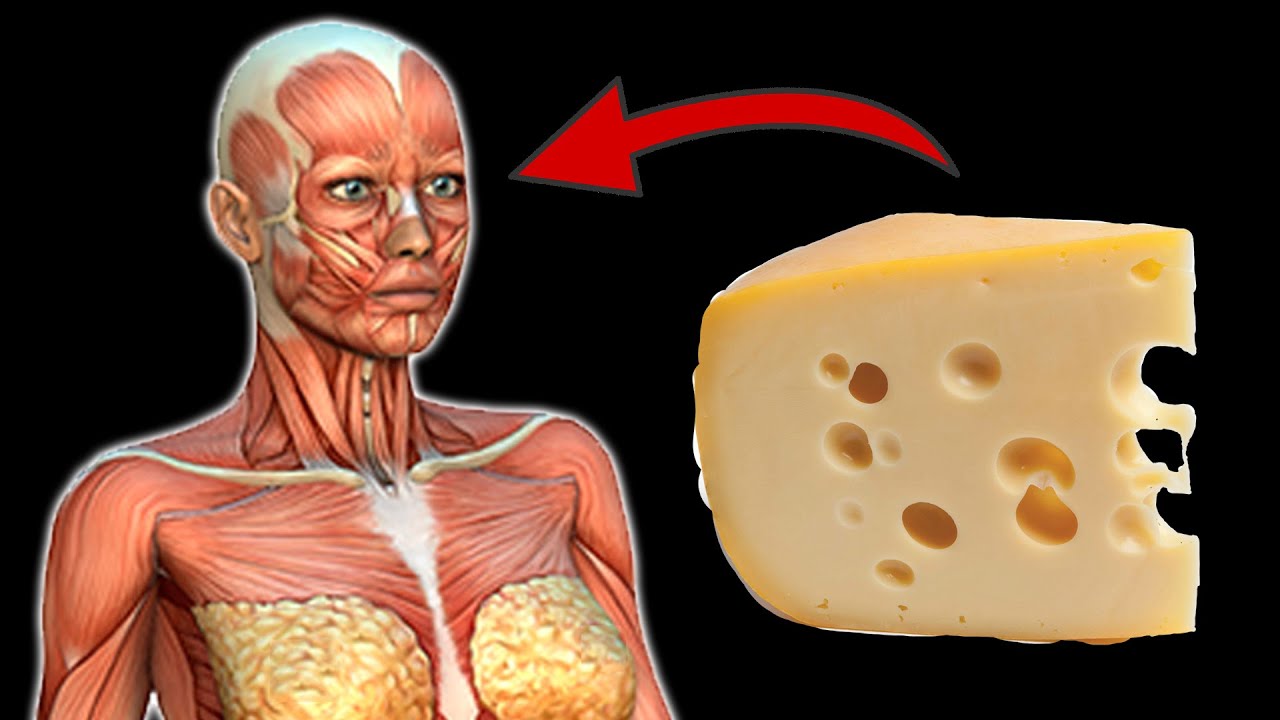
Discover 7 Surprising Benefits of Eating Cheese Daily That Will Amaze You! 🧀✨
7 Amazing Benefits of Eating Cheese Daily
- Nutritional Benefits of Cheese
- Strong Bones and Teeth
- Heart Health Support
- Weight Management
- Common Mistakes to Avoid
- Frequently Asked Questions
Many people enjoy adding cheese to their meals, whether it’s on a pizza, in a salad, or as a snack. Yet, you might not realize just how beneficial cheese can be when you incorporate it into your daily diet. With its rich flavors and variety, cheese offers much more than just taste. Let’s explore the benefits that make cheese a delightful addition to your routine.
Nutritional Benefits of Cheese
Cheese is not only delicious but also packed with essential nutrients. Here are some key points about its nutrition:
1. Rich in Calcium
Cheese is one of the best sources of calcium, which is vital for your bone health. Including cheese in your daily diet can help you meet your calcium requirements easily.
2. Protein Powerhouse
Most cheeses are rich in protein, making them great for muscle repair and maintenance. Protein helps you feel fuller for longer, making it an excellent addition to meals for satiety.
3. Vitamins and Minerals
Cheese is also rich in various vitamins and minerals, including vitamins A, B12, and zinc. These nutrients contribute to numerous bodily functions, from immune support to energy metabolism.
Strong Bones and Teeth
The calcium and phosphorus found in cheese play an essential role in maintaining strong bones and teeth. Here’s how:
1. Enhancing Bone Density
Regular intake of calcium-rich foods, such as cheese, can improve your bone density, reducing the risk of fractures and osteoporosis as you age.
2. Dental Health Benefits
The calcium and casein in cheese can help in remineralizing your teeth. This process strengthens your dental enamel and can help prevent cavities.
3. Aging Gracefully
As you age, maintaining strong bones and healthy teeth becomes even more vital. Incorporating cheese into your meals can be a tasty way to support your oral health throughout life.
Heart Health Support
While cheese is often thought to contribute to heart issues, certain types can actually support heart health. Here’s how:
1. Lowering Blood Pressure
Cheese, particularly varieties like feta or mozzarella, can be lower in sodium compared to others. Moderate consumption may help in managing blood pressure effectively.
2. Healthy Fats
Although cheese contains fat, many varieties have a good balance of healthy fats that can help maintain your cholesterol levels. Consider choosing cheeses made from grass-fed milk for added health benefits.
3. Antioxidant Properties
Certain types of cheese, like cheddar and Swiss, contain compounds that possess antioxidant properties, which may help protect against heart disease.
Weight Management
Cheese can be a surprising ally in your weight management efforts. Here’s why:
1. Satiety Factor
The protein and fat content in cheese can help you feel satisfied for longer periods. This can prevent unnecessary snacking throughout the day.
2. Portion Control
Cheese can be enjoyed in small portions for a nutrient-dense snack. Pairing it with fruits or whole-grain crackers can enhance your diet without excessive calorie intake.
3. Variety in Meals
Incorporating different types of cheese into your meals can add flavor and interest, making it easier to stick to a balanced diet.
Common Mistakes to Avoid
While cheese has many benefits, there are some common mistakes you should avoid:
1. Overindulgence
Consuming large amounts of cheese can lead to excessive calorie intake. Moderation is key.
2. Ignoring Quality
Not all cheeses are created equal. Opting for less processed varieties can offer more health benefits.
3. Skipping the Serving Size
Many people overlook serving sizes. Being mindful of portions can help you enjoy cheese without overdoing it.
Frequently Asked Questions
1. Is cheese good for everyone?
Generally, cheese can be a healthy addition to most diets. However, those with lactose intolerance or dairy allergies should choose appropriate alternatives.
2. What types of cheese are healthiest?
Healthiest options often include low-fat, unprocessed cheeses like mozzarella, feta, or cottage cheese. These varieties provide nutrients without excessive fat or sodium.
3. How much cheese should I eat daily?
A moderate serving, about one to two ounces per day, fits well into a balanced diet. Always consider personal dietary needs and consult a healthcare provider if unsure.
Incorporating cheese into your daily meals can provide various health benefits, from strong bones and teeth to supporting heart health and aiding weight management. What’s your favorite way to enjoy cheese? Share your thoughts in the comments!