
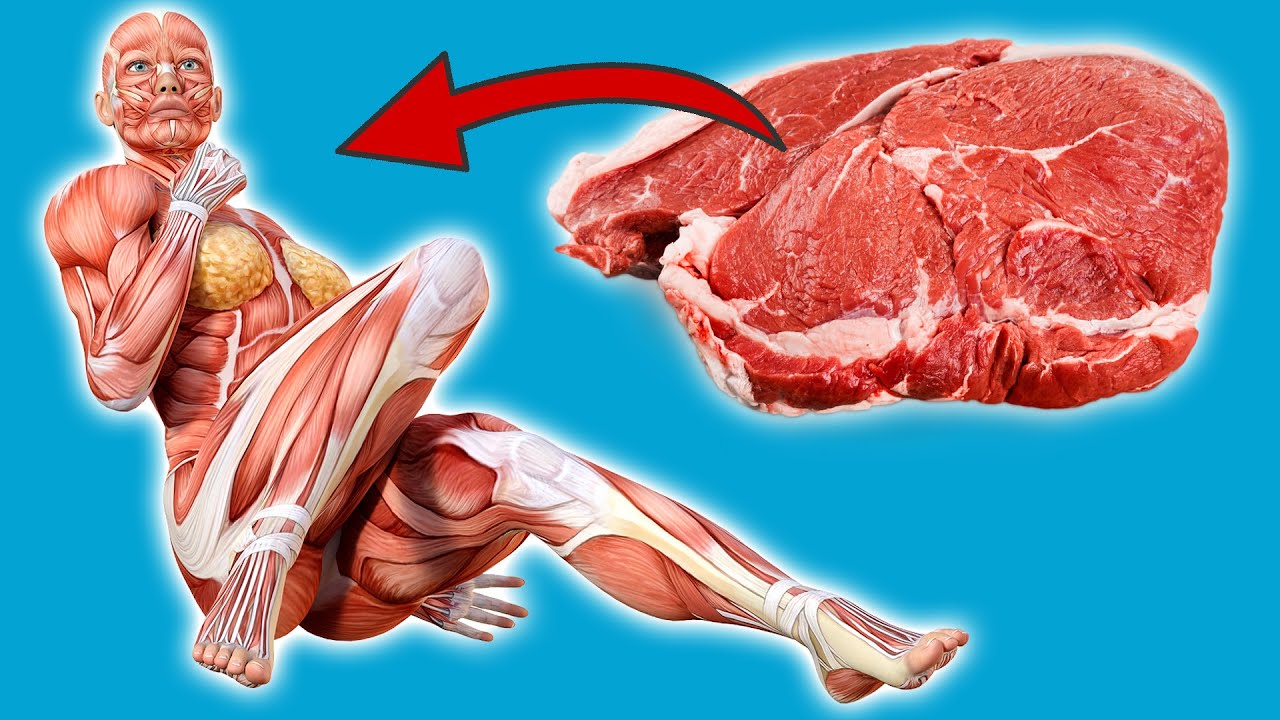
Discover 7 Surprising Effects of Eating Meat Daily You Never Knew!
7 Surprising Effects of Eating Meat Daily You Never Knew
- Introduction
- Nutritional Benefits of Meat
- Health Effects of Daily Meat Consumption
- Environmental Impact of Eating Meat
- Common Mistakes to Avoid
- FAQ
- Conclusion
Introduction
Many people enjoy incorporating meat into their daily meals without fully understanding its diverse effects on health and the environment. You may find yourself reaching for that juicy steak or savoring a hearty chicken dish, thinking it’s simply delicious. Yet, there are layers to the impacts of daily meat consumption that often go unnoticed. Exploring these effects can offer you valuable insights into how your dietary choices influence not just your body, but also the world around you. Let’s uncover the surprising consequences of eating meat daily!
Nutritional Benefits of Meat
Meat is often touted for its rich nutritional profile, which provides several essential nutrients that can be beneficial when included in your daily diet.
1. Protein Power
Meat is a fantastic source of high-quality protein, which is vital for muscle growth and repair. Here are some quick stats:
- Chicken: Approximately 30 grams of protein per 100 grams.
- Beef: Around 26 grams of protein per 100 grams.
- Pork: Offers about 27 grams of protein per 100 grams.
2. Essential Vitamins and Minerals
Meat contains vital vitamins and minerals that support various bodily functions:
- Iron: Meat, especially red meat, is a rich source of heme iron, easily absorbed by your body.
- Vitamin B12: Essential for nerve function and the formation of red blood cells.
- Zinc: A crucial mineral for a robust immune system.
Health Effects of Daily Meat Consumption
While meat comes with numerous health benefits, daily consumption can also lead to particular effects that are worth considering.
1. Potential Weight Gain
Regular consumption of red and processed meats has been linked to weight gain.
- Pay attention to portion sizes.
- Consider the cooking methods, opting for healthier choices.
- Incorporate plenty of vegetables and grains to balance your plate.
2. Increased Risk of Certain Diseases
Studies suggest a correlation between heavy consumption of red and processed meats and chronic diseases:
- Heart Disease: Saturated fats in certain meats can elevate cholesterol levels.
- Some Cancers: Red and processed meats may increase the risk of colorectal cancer.
3. Gut Health Impact
The balance of your gut microbiome may shift with a high meat intake. Incorporating more fiber-rich foods like fruits and vegetables can help.
Environmental Impact of Eating Meat
Beyond health, consider the environmental implications of your meat consumption choices.
1. Carbon Footprint
Meat production has a significant carbon footprint due to resource-intensive farming practices. Here’s what you should know:
- Beef production releases more greenhouse gases than poultry or pork.
- Choosing locally sourced meats may reduce your carbon impact.
2. Resource Use
Meat farming consumes vast resources, such as water and land:
- It is estimated that it takes around 1,800 gallons of water to produce just one pound of beef.
- Every pound of meat requires substantial grain for animal feed.
Common Mistakes to Avoid
When it comes to incorporating meat into your daily diet, you might inadvertently make some common mistakes that can have consequences on your health and well-being.
1. Ignoring Lean Options
Opting for fatty cuts of meat frequently can raise your saturated fat intake. Choose leaner cuts whenever possible.
2. Overlooking Preparation Methods
The way you prepare meat matters. Frying can add unnecessary calories and fats, while grilling or baking is often healthier.
3. Eliminating Variety
Eating the same type of meat repeatedly may prevent you from gaining a wide spectrum of nutrients.
FAQ
What are the health benefits of eating meat?
Meat is an excellent source of protein, essential vitamins like B12, and minerals such as iron and zinc, which support various bodily functions.
Can eating meat daily pose health risks?
Daily meat consumption can be associated with increased risks of chronic diseases and weight gain, especially when not balanced with plant-based foods.
Is all meat bad for the environment?
While meat production has environmental impacts, opting for sustainably sourced options and reducing consumption can help mitigate these effects.
Conclusion
Understanding the effects of eating meat daily can enrich your dietary choices and promote overall well-being. By becoming aware of both health and environmental factors, you can make informed decisions about your meals. What changes might you consider for a more balanced approach to meat in your diet?