Eliminate 5 Common Pests with This Simple Homemade Insecticide Recipe!
Eliminate Common Pests with This Simple Homemade Insecticide Recipe
Introduction
Picture this: you step outside to tend to your garden, only to find pesky insects threatening your precious plants. It can be disheartening to see your hard work at risk from common garden pests. Fortunately, you don’t have to rely on commercial insecticides that may contain harsh chemicals. With a simple homemade solution, you can tackle these unwanted visitors effectively. Read on to discover how to create your own natural insecticide to keep your garden flourishing.
Understanding Pests
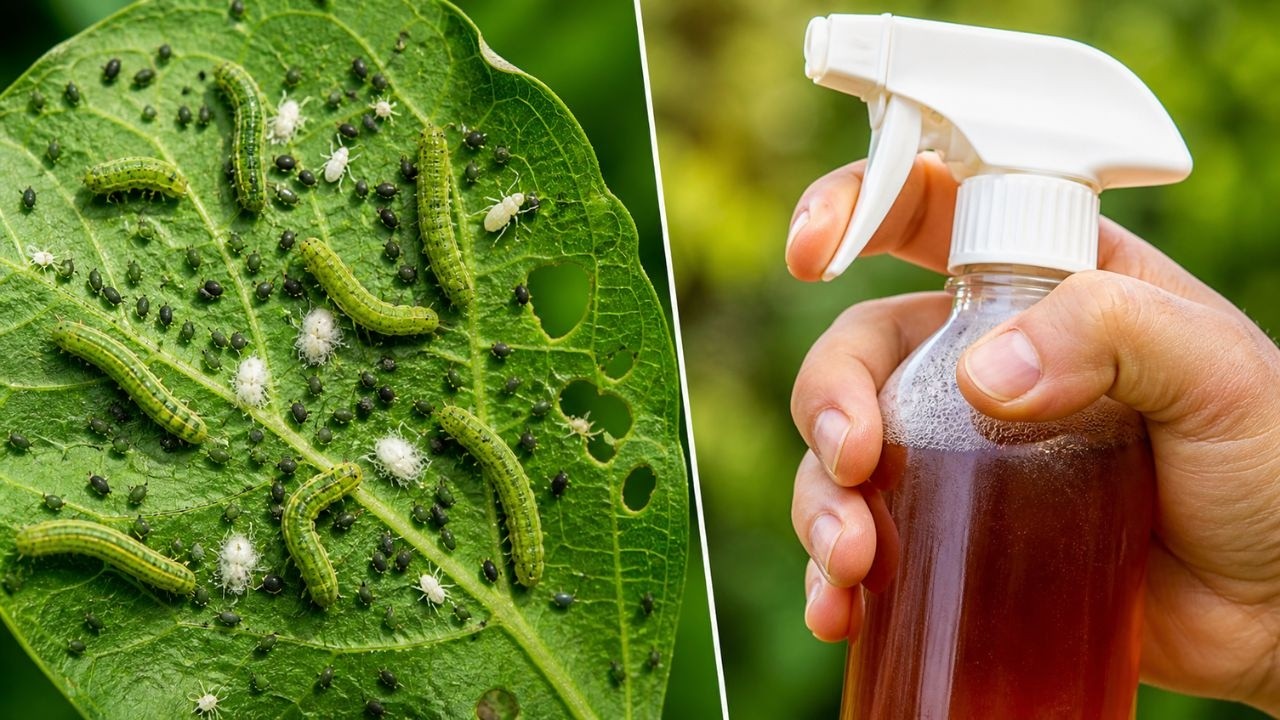
Before you can effectively eliminate pests, it’s crucial to know who you’re dealing with. Various insects can invade gardens, each posing different threats. Here are some of the most common culprits you might encounter:
- Aphids: Tiny, sap-sucking insects that can stunt plant growth.
- Spider mites: These tiny pests cause discoloration and webbing on leaves.
- Mealybugs: Look like small cotton tufts and feed on plant juices.
- Whiteflies: They often fly off in a small cloud when disturbed and can damage leaves.
- Thrips: Small, elongated insects that can damage flowers and leaves.
Understanding these common pests helps you recognize the signs of infestation, allowing you to act quickly.
Homemade Insecticide Recipe
Using natural ingredients, you can create a powerful insecticide that’s safe for your plants and the environment. Here’s a simple recipe you can follow:
Ingredients
- 1 tablespoon of dish soap (preferably biodegradable)
- 1 quart of water
- Optional: 1 teaspoon of vegetable or neem oil
Instructions
- Mix the dish soap and water: In a spray bottle, combine the water and dish soap. Shake gently to mix.
- Add oil (if using): Include vegetable or neem oil for added potency against pests.
- Transfer the mixture: Ensure it’s properly labeled for safe storage.
When well combined, your homemade insecticide will effectively disrupt the pests’ ability to feed.
Application Tips
For your homemade insecticide to be effective, consider the following tips when applying it:
Timing
Apply the insecticide during the cooler parts of the day, either early morning or late afternoon, to avoid damaging your plants.
Spot Testing
Always perform a spot test on a small part of your plant to check for any adverse reactions before a full application.
Frequency
Reapply the solution every few days until you notice a significant decrease in the pest population.
Mistakes to Avoid
When using your homemade insecticide, be mindful of these common pitfalls:
- Using too much soap: An excessive amount can lead to leaf burn. Stick to the recipe!
- Neglecting regular applications: Pests can comeback, so consistency is key.
- Applying during sunny hours: This can cause the mixture to dry too quickly and may harm your plants.
- Ignoring infested plants: Not treating all affected plants can allow pests to spread.
- Disregarding safety measures: Always wear gloves and work in a well-ventilated space while handling the insecticide.
FAQ
What ingredients can I use in my homemade insecticide? You can use dish soap, water, and optionally, vegetable or neem oil. These ingredients help control a variety of common pests.
How often should I apply homemade insecticide? It’s best to reapply every few days, particularly after rain or watering.
Is homemade insecticide safe for all plants? While it’s generally safe, some plants may be sensitive. Always conduct a spot test before widespread application.
Conclusion
Using a homemade insecticide can help you effectively manage common garden pests without resorting to harsh chemicals. By following the recipe and application tips provided, you can maintain a healthy, thriving garden. What pest challenges have you faced in your garden, and how did you tackle them?