Stop Washing Grapes Wrong: 3 Easy Tips for a Healthier Snack!
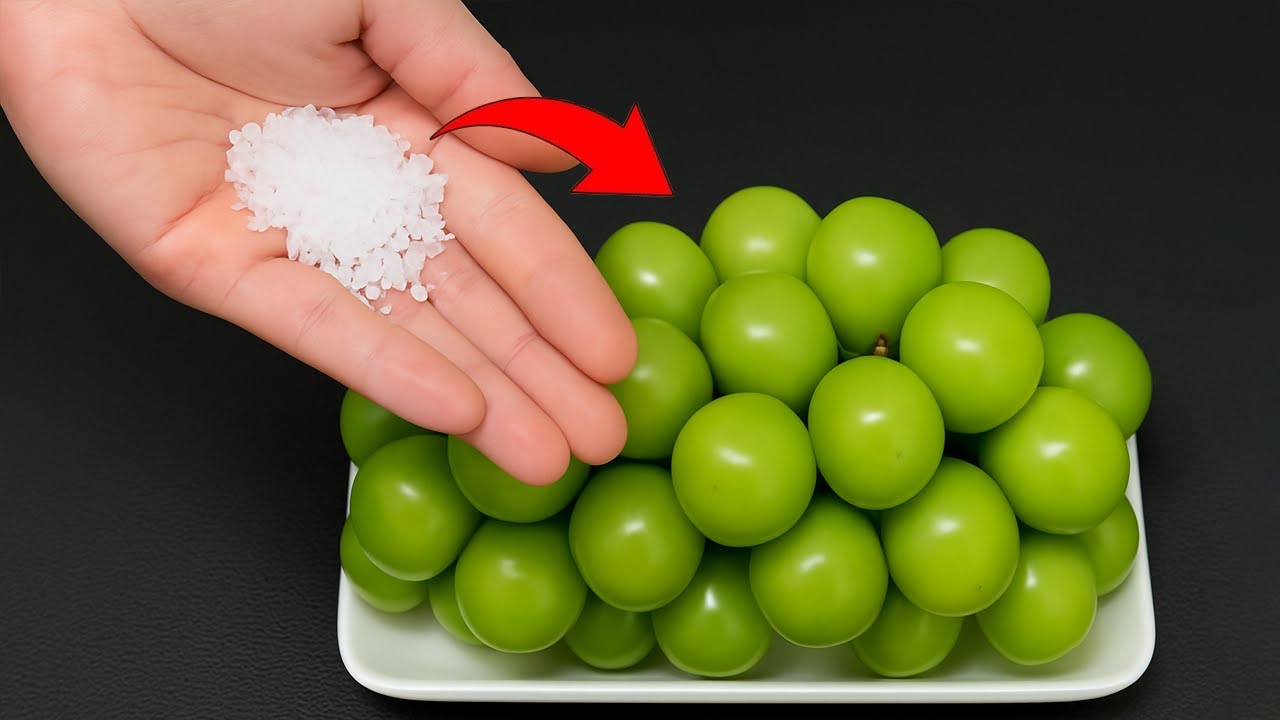
Stop Washing Grapes Wrong: 3 Easy Tips for a Healthier Snack
- Introduction
- Importance of Washing Grapes
- Effective Techniques for Washing Grapes
- Common Mistakes to Avoid
- FAQ
Introduction
After a long day, reaching for a bowl of fresh grapes can feel like a healthy choice. However, many of us overlook one crucial step before indulging in this snack—properly washing them. You might think that rinsing under water is enough, but there are better ways to ensure your snack is not only tasty but safe and nutrient-rich. Discovering the best practices can enhance your grape experience and support your well-being.
Importance of Washing Grapes
Washing grapes goes beyond simply removing dirt. Here are a few reasons why it’s essential:
- Removes pesticides: Grapes often carry residues of pesticides, which require thorough washing to ensure they are safe to eat.
- Eliminates microbes: Pathogens like E. coli or salmonella can be present on the skin of fruits, making proper washing essential for food safety.
- Enhances flavor: A clean grape tastes fresher and more vibrant, enhancing your snacking experience.
Benefits of Rinsing Grapes
In addition to the important reasons above, rinsing grapes can help enhance their natural sweetness while preventing any off-flavors that may linger from packaging or handling.
Effective Techniques for Washing Grapes
To wash grapes effectively, consider these simple yet impactful techniques:
1. Use a Vinegar Solution
- Prepare: Mix one part vinegar with three parts water in a bowl.
- Soak: Place your grapes in the solution for five to ten minutes.
- Rinse: Drain the grapes and rinse under cool running water to remove any vinegar taste.
2. Use a Baking Soda Solution
- Combine: Mix a teaspoon of baking soda in a bowl of water.
- Soak: Submerge the grapes for ten minutes.
- Rinse: Rinse thoroughly under running water to eliminate any residue.
3. Rinse Under Running Water
For a quicker option, you can simply rinse grapes under cool running water for at least 30 seconds. Gently rub the surface of the grapes while rinsing to remove any dirt or residues.
Common Mistakes to Avoid
Even with good intentions, certain habits can undermine your efforts to wash grapes effectively. Here are some mistakes to watch out for:
- Not soaking: Skipping the soaking step means you might not effectively remove pesticides or microbes.
- Using soap: Avoid dish soap or other cleaners, as they can leave harmful residues on the fruit.
- Washing in advance: Wash grapes just before eating to prevent spoilage and maintain freshness.
FAQ
Why should I wash grapes? Washing grapes removes pesticides, dirt, and harmful bacteria, making them safer to eat and enhancing their flavor.
Can I use regular tap water to wash grapes? While you can use tap water, a vinegar or baking soda solution is more effective for thorough cleaning.
How do I store washed grapes? After washing, dry the grapes gently and store them in a breathable container in the refrigerator to keep them fresh longer.
Conclusion
Properly washing your grapes not only improves their taste but also ensures you’re snacking safely. By following these easy tips, you can enjoy this delicious fruit without worry. What methods have you found effective for washing your fruits and vegetables? Share your experiences in the comments!