1 Colher Secreta para Carregar Sua Frutífera com Frutos Incríveis!
1 Secret Spoon to Load Your Fruit Trees with Amazing Harvests
- Understanding Fruit Tree Biology
- Beneficial Nutrients for Fruit Trees
- Application Techniques for Best Results
- Common Mistakes to Avoid
- Frequently Asked Questions
Have you ever struggled to see your fruit trees produce as many luscious fruits as you’d envisioned? Maybe you’ve planted a variety of trees or spent countless hours tending to their needs, yet the results have been less than satisfying. You’re definitely not alone in this experience. The challenge of getting the most from your fruit trees can often feel frustrating and daunting. However, with the right knowledge and a little guidance, your trees can thrive like never before. Let’s explore how a simple yet effective technique can help improve your harvest.
Understanding Fruit Tree Biology
Before diving into practical advice, it’s essential to understand the underlying biology of fruit trees. Knowing how they grow helps you make informed decisions about caring for them.
1. Life Cycle of Fruit Trees
- Germination: The seed takes root and sprouts new growth.
- Juvenile stage: The tree develops leaves and branches.
- Mature stage: Trees begin to bear fruit, which typically occurs after several years.
2. Importance of Pollination
Many fruit trees require pollinators for successful fruit set. Ensuring that bees and other pollinators are abundant in your garden is crucial for the production of your fruits. Planting flowers nearby can attract these essential helpers.
Beneficial Nutrients for Fruit Trees
To promote a healthy fruit tree, you need to provide them with the right nutrients. Inadequate nutrition can hinder growth and reduce fruit yield.
1. Essential Micronutrients
- Calcium: Supports cell wall strength and overall growth.
- Magnesium: Vital for photosynthesis and fruit development.
- Potassium: Enhances fruit quality and resistance to disease.
2. Organic Amendments
Incorporate organic materials such as compost or well-rotted manure into your soil. These amendments improve soil structure and increase nutrient availability, giving your trees the best chance to thrive.
Application Techniques for Best Results
Now that you understand the importance of nutrients, it’s time to learn how to apply them effectively to your trees for maximum yield.
1. Timing of Application
Applying supplements at the right time can significantly impact their effectiveness. Aim for early spring, right before your trees begin to bloom, as this is when their nutrient needs are highest.
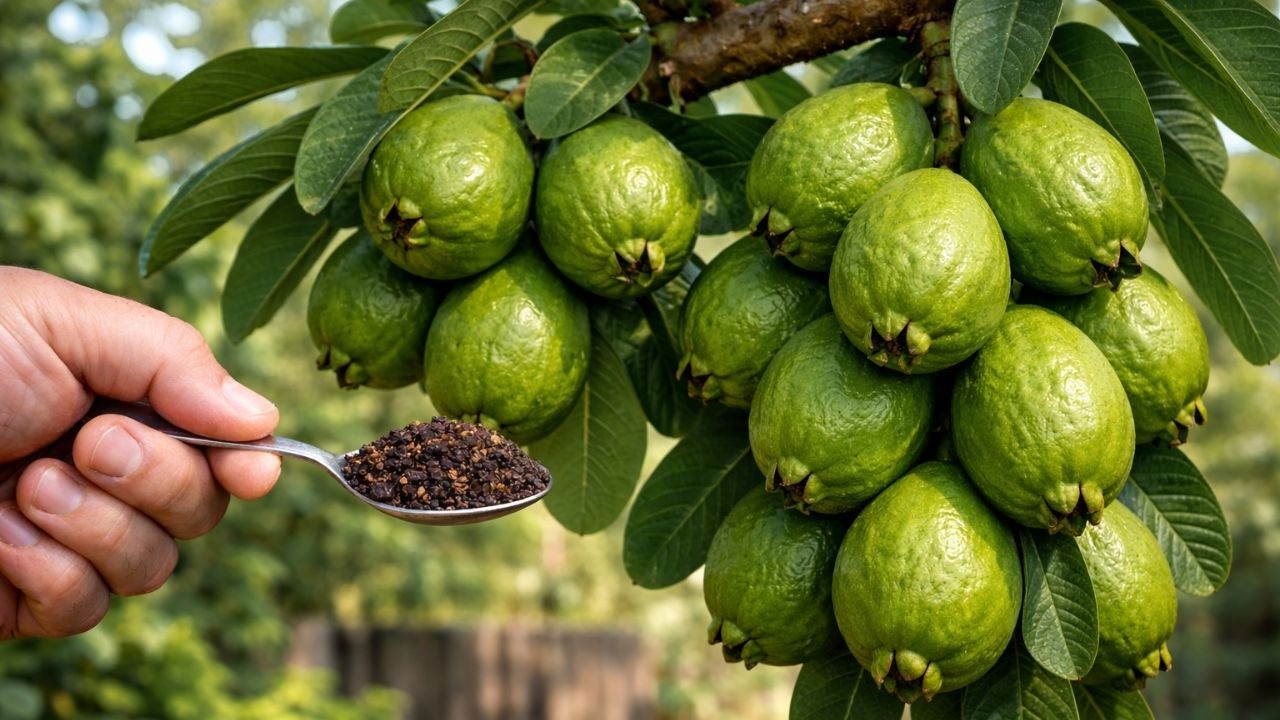
2. The Secret Spoon Technique
Use a standard garden spoon to evenly distribute your selected nutrient amendments around the base of your tree. This simple technique ensures that the nutrients are absorbed directly into the root zone.
- Measure the nutrients you intend to use.
- Spread them around the base, avoiding the trunk.
- Water the area thoroughly to help the nutrients penetrate the soil.
Common Mistakes to Avoid
Even with good intentions, many gardeners face challenges when caring for their fruit trees. Here are some common pitfalls to beware of:
- Over-fertilizing: Adding too many nutrients can harm your trees, leading to poor fruit quality.
- Ignoring soil conditions: Neglecting to check soil pH can result in nutrient lockout, making it hard for trees to absorb what they need.
- Improper watering: Both overwatering and underwatering can stress trees and hinder fruit production.
Frequently Asked Questions
What is the best time to fertilize my fruit trees?
Fertilizing in early spring before blooming is generally recommended as trees require maximum nutrients during this growth stage.
Can I use chemical fertilizers?
While chemical fertilizers can enhance growth, organic alternatives are often safer and provide long-term benefits for soil health.
How often should I water my fruit trees?
It’s crucial to keep the soil consistently moist, especially during dry spells, but avoid waterlogging to prevent root rot.
In summary, using the right nutrient strategies and understanding how to care for your fruit trees can lead to bountiful harvests. Are there specific types of fruit trees you’re hoping to cultivate? Please share your experiences and questions in the comments below!