10 Essential September Gardening Tasks: Plant, Prune, and Prepare
10 Essential September Gardening Tasks: Plant, Prune, and Prepare
As summer winds down and autumn approaches, September presents a crucial time for gardeners. There’s still much to be done, from harvesting bountiful crops to preparing your garden for the coming months. This article outlines ten essential tasks that will help you make the most of your garden this September.
1. Continue Harvesting
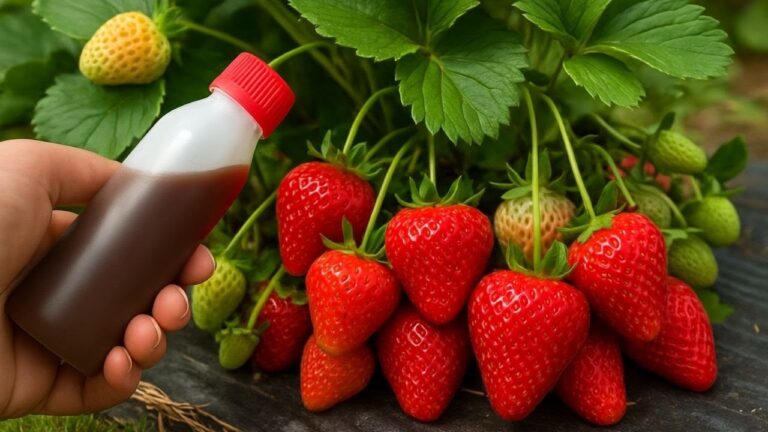
The late-summer harvest can be just as thrilling as the first ripe tomatoes. Depending on your location and what you’ve planted, September can yield:
- Beans
- Broccoli
- Cabbage
- Cucumbers
- Zucchini
- Summer squash
- Winter squash
- Melons
- Eggplants
- Tomatoes
- Lettuce
- Spinach
- Potatoes (dig before the first frost!)
- Sweet potatoes
- Onions
- Peppers
- Swiss chard
- Rutabagas
- Turnips
- Parsley
- Mustard seed
September is also the time for harvesting apples, pears, and plums, so savor those last delights before the first frosts arrive!
2. Preserving Your Harvest
With the abundance of fresh produce, it’s essential to preserve your harvest. You can:
- Air-dry herbs
- Canning
- Freezing
- Dehydrating
For beginners, it’s best to take on preservation techniques one at a time. Familiarize yourself with trusted recipes, perhaps starting with resources like the Ball Complete Book of Home Preserving.
3. Saving Seeds
Autumn is an ideal time for saving seeds for future planting. For those looking to achieve self-sufficiency, consider preserving:
- Mustard seeds
- Rocket seeds
- Zucchini seeds
- Radish seeds
- Pumpkin seeds
For guidance on successful seed saving, check out articles like The Secret To Successfully Saving Tomato Seeds For Next Year.
4. Planting Fall Veggies
September is the perfect time to sow seeds for an earlier spring harvest. Depending on your climate, consider planting:
- Onions
- Shallots
- Garlic
- Spinach
- Lettuce
Using row covers or cold frames can extend your growing season by protecting these plants from unexpected frost.
5. Begin Planting Edible Perennials
Adding edible perennials to your garden provides reliable crops year after year. Consider planting:
- Asparagus
- Daylilies
- Jerusalem artichokes
- Rhubarb
- Berry canes and bushes
- Fruit and nut trees
These plants require less maintenance and enhance soil quality while extending your growing season.
6. Start Making Leaf Mold
Autumn leaves can be beneficial for soil health. Instead of disposing of them, consider creating leaf mold, which can enrich your soil. Here’s how:
- Rake up fallen leaves.
- Store them in a designated area.
- Allow them to decompose over time to create nutrient-rich leaf mold.
7. Tidy Up Your Garden
Take some time to clean up your garden. Pull out overgrown weeds and remove any diseased plants. It’s also a good time to deadhead blooms and prune back perennials.
- Bearded irises
- Bee balm
- Catmint
- Daylilies
- Lavender
8. Plant a Cover Crop
Cover crops are excellent for improving soil health. You can plant:
- Fava beans
- Oats
- Clovers
- Hairy vetch
- Annual ryegrass
- Winter rye
These crops will add nutrients back into the soil while preventing erosion over the winter months.
9. Divide Perennials
September is a great time for dividing perennials. This process creates more space for growth and prevents overcrowding. You can also benefit by having extra plants to share or sell.
10. Keep an Eye Out for the First Frost
Awareness of the first expected frost is crucial. Be prepared with row covers or other frost protection methods to safeguard your plants. If frost threatens your crops, consider preserving any unharvested produce.
Conclusion
September is a pivotal month for any gardener, filled with essential tasks that set the stage for the coming seasons. By continuing to harvest, preserving your bounty, planting for the future, and preparing your garden, you can ensure a thriving outdoor space. Embrace the beauty of autumn while making the most of your gardening efforts!