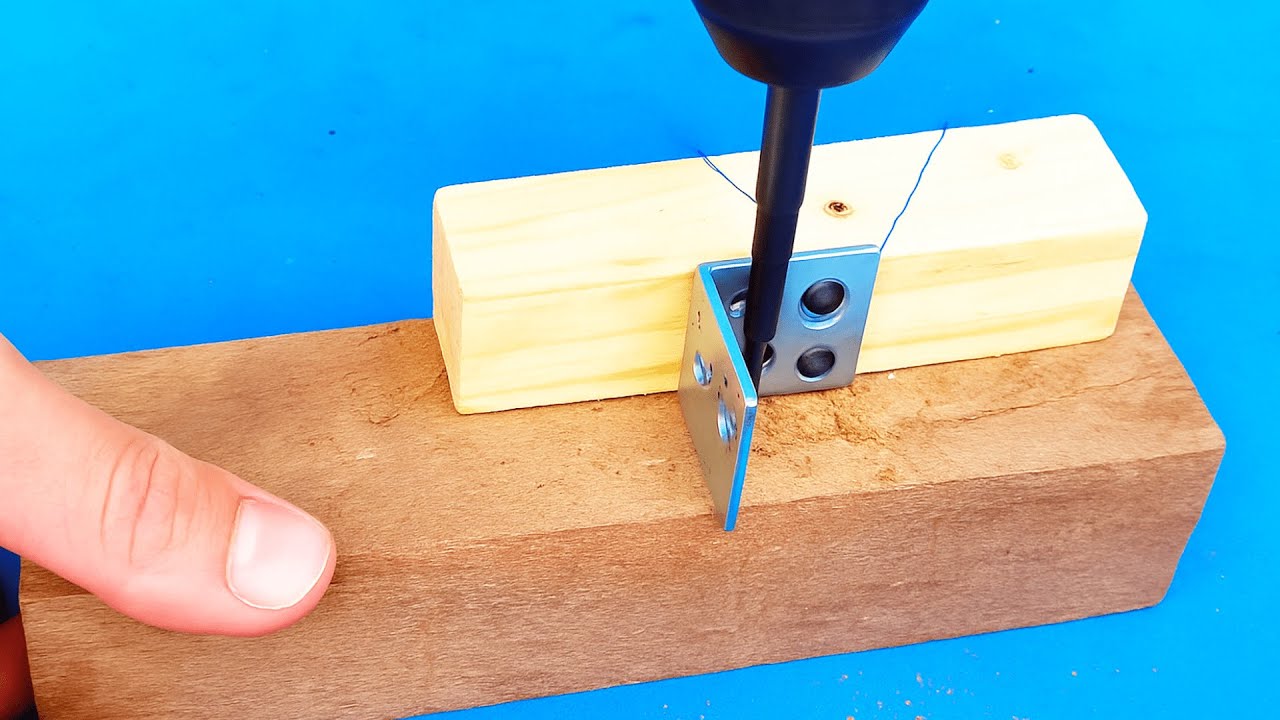
15 Woodworking Tricks You Need to Know for Perfect Projects!
15 Woodworking Tricks for Perfect DIY Projects
- Introduction
- Essential Woodworking Tips
- Creative Woodworking Techniques
- Common Mistakes to Avoid
- FAQ
Introduction
Are you struggling with your woodworking projects, feeling like the end result doesn’t match your vision? Whether it’s uneven cuts, misaligned joints, or unfinished surfaces, woodworking can sometimes be frustrating. But fear not—there are practical tricks to ensure your projects turn out beautifully. Embrace the journey of learning and refining your skills as we explore essential woodworking tricks that can elevate your DIY endeavors.
Essential Woodworking Tips
Utilizing effective techniques in woodworking can significantly enhance the quality of your finished pieces. Here are some key tips to keep in mind:
1. Choose the Right Wood
Your choice of wood plays a huge role in your project’s outcome. Consider these options:
- Softwoods like pine are easier to work with and great for beginners.
- Hardwoods like oak offer strength and durability, perfect for furniture.
- Reclaimed wood can add character and uniqueness, while being eco-friendly.
2. Prepare Your Workspace
A well-organized workspace is crucial for efficient woodworking. Here are some preparations:
- Clear debris and clutter from your work area.
- Gather all necessary tools and materials before starting.
- Set up adequate lighting for detailed work.
3. Measure Twice, Cut Once
Accurate measurements prevent waste and frustration. Incorporate this habit:
- Always double-check your measurements before cutting.
- Use reliable measuring tools like a tape measure or square.
Creative Woodworking Techniques
Turning your ideas into reality often involves innovative approaches. Explore these creative woodworking techniques:
1. Use Templates for Precision
Templates can help you replicate shapes accurately. Here’s how to create one:
- Select a stable material like plywood for your template.
- Trace the desired shape carefully.
- Cut along the lines using a jigsaw.
2. Experiment with Joinery
Various joinery methods can strengthen your projects. Consider these options:
- ***Dowel joints*** offer a strong connection between pieces.
- ***Mortise and tenon*** joints provide exceptional stability.
- ***Box joints*** add decorative appeal and strength.
3. Finishing Techniques Matter
A good finish can transform your project’s appearance. Keep these tips in mind:
- Sand the wood surface thoroughly before applying any finish.
- Choose suitable stains or paints that enhance the wood’s natural beauty.
- Apply multiple coats for a durable finish and better protection.
Common Mistakes to Avoid
Even seasoned woodworkers can fall prey to common pitfalls. Avoid these mistakes to achieve better results:
1. Skipping Safety Gear
Always prioritize your safety. Here’s what you should wear:
- Protective goggles to shield your eyes from dust and debris.
- A dust mask to avoid inhaling harmful particles.
- Hearing protection, especially when using loud machinery.
2. Overlooking Drying Times
Patience is key, especially when working with adhesives or finishes. Avoid rushing and let products dry fully to ensure durability.
3. Ignoring Grain Direction
Cutting against the wood grain can lead to splintering. Always observe the grain and cut accordingly.
FAQ
What type of wood is best for beginners? Softwoods like pine and cedar are ideal for beginners due to their ease of use and workability.
How can I prevent wood from warping? Store your wood in a dry place and avoid exposure to moisture, which can cause warping over time.
What tools do I need to start woodworking? Basic tools include a saw, sander, drill, measuring tape, and safety gear.
Conclusion
Incorporating these woodworking tricks can elevate your DIY projects, enhancing both the process and results. What tips do you find most useful for your woodworking endeavors? Share your thoughts in the comments!