5 Essential Wiring Tips Your Partner Needs to Know Now!
5 Essential Wiring Tips for Your DIY Home Projects
- Understanding Basic Wiring
- Essential Tools for Wiring
- Safety Tips for Wiring
- Common Mistakes in Wiring
- FAQ
When it comes to tackling DIY home projects, wiring can often feel daunting, especially if you’re not familiar with the intricacies involved. You may find yourself staring at a jumble of wires, unsure of where to begin or how to ensure everything is safe and effective. It’s easy to feel overwhelmed, but understanding some essential wiring tips can significantly boost your confidence and skills. Continue reading to discover how you can approach wiring like a pro.
Understanding Basic Wiring
Before diving into your project, it’s important to grasp the fundamentals of wiring.
1. Know the Types of Wires
There are different types of wires, each serving specific purposes:
- Non-metallic (NM) cable: Ideal for indoor wiring.
- Wire gauge: Indicates the wire’s thickness; lower gauges are thicker and safer for higher current.
- Ground wire: Essential for safety, directing excess electricity safely away from devices.
2. Understand Circuit Basics
A simple understanding of circuits can make your wiring more effective:
- Series circuit: Components are connected one after another. A failure in one component affects the others.
- Parallel circuit: Components are connected in parallel. If one part fails, the other parts continue to function.
Essential Tools for Wiring
Having the right tools is crucial for any DIY wiring project.
1. Basic Tools
Equip yourself with these essential tools:
- Wire cutters: For cutting wires to the desired length.
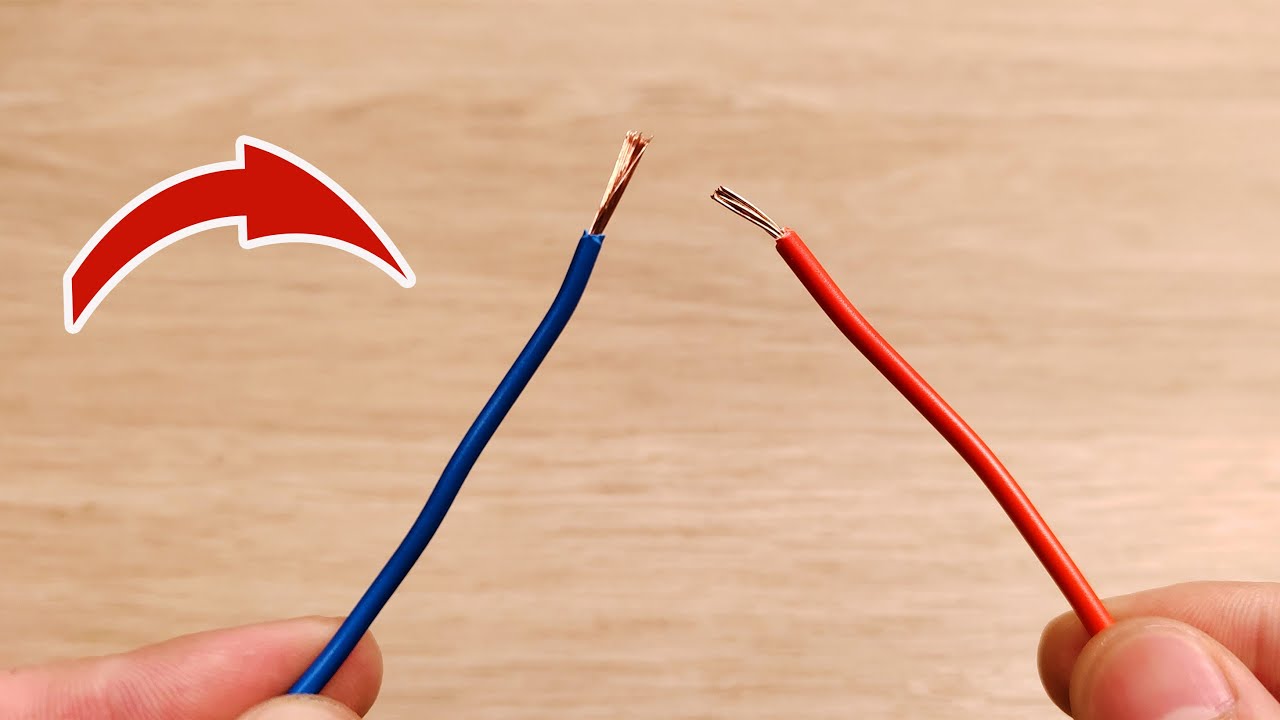
- Wire strippers: To remove insulation from wires without damaging them.
- Screwdrivers: Necessary for securing devices and outlets.
2. Advanced Tools
For more complex projects, consider investing in:
- Voltage tester: Ensures wires are not live before you touch them.
- Circuit tester: Helps you identify issues in your wiring.
Safety Tips for Wiring
Safety should always be your priority when working with electrical wiring.
1. Turn Off the Power
Before starting any wiring project, always make sure to:
- Switch off the circuit breaker: This prevents electrical shocks.
- Test the wires: Use a voltage tester to confirm that there is no power flowing.
2. Use Proper Insulation
Ensuring your wiring is well-insulated reduces the risk of hazards:
- Use electrical tape: Secure connections and prevent exposed wires.
- Heat shrink tubing: Protects joints and connections from moisture.
Common Mistakes in Wiring
Even experienced DIYers make mistakes. Avoid these common pitfalls:
1. Overloading Circuits
Ensure that your circuit can handle the load to avoid:
- Tripping breakers
- Heating issues that could lead to fire hazards
2. Ignoring Local Codes
Familiarize yourself with local electrical codes to:
- Ensure safety standards are met
- Avoid potential legal issues
3. Neglecting Grounding
Grounding is key for safety. Never skip:
- Connecting ground wires to metal frames or conduits
- Using GFCI outlets in damp areas like kitchens and bathrooms
FAQ
What should I do if I encounter a problem during wiring?
If you encounter a problem, first turn off the power and reassess your work. If you’re unsure, it may be wise to consult a professional electrician.
Can I do my own wiring?
While many simple wiring projects are manageable, complex tasks should be left to professionals, especially if they involve high voltage or difficult access.
How can I tell if my wiring is safe?
Regular inspections, checking for damaged insulation, and ensuring all connections are secure can help gauge your wiring’s safety. Using a voltage tester is also beneficial.
In conclusion, understanding wiring tips can truly enhance your DIY home projects. By familiarizing yourself with basic wiring concepts, essential tools, and safety precautions, you’ll create a safer and more efficient workspace. What wiring project are you planning next? Share your thoughts in the comments!