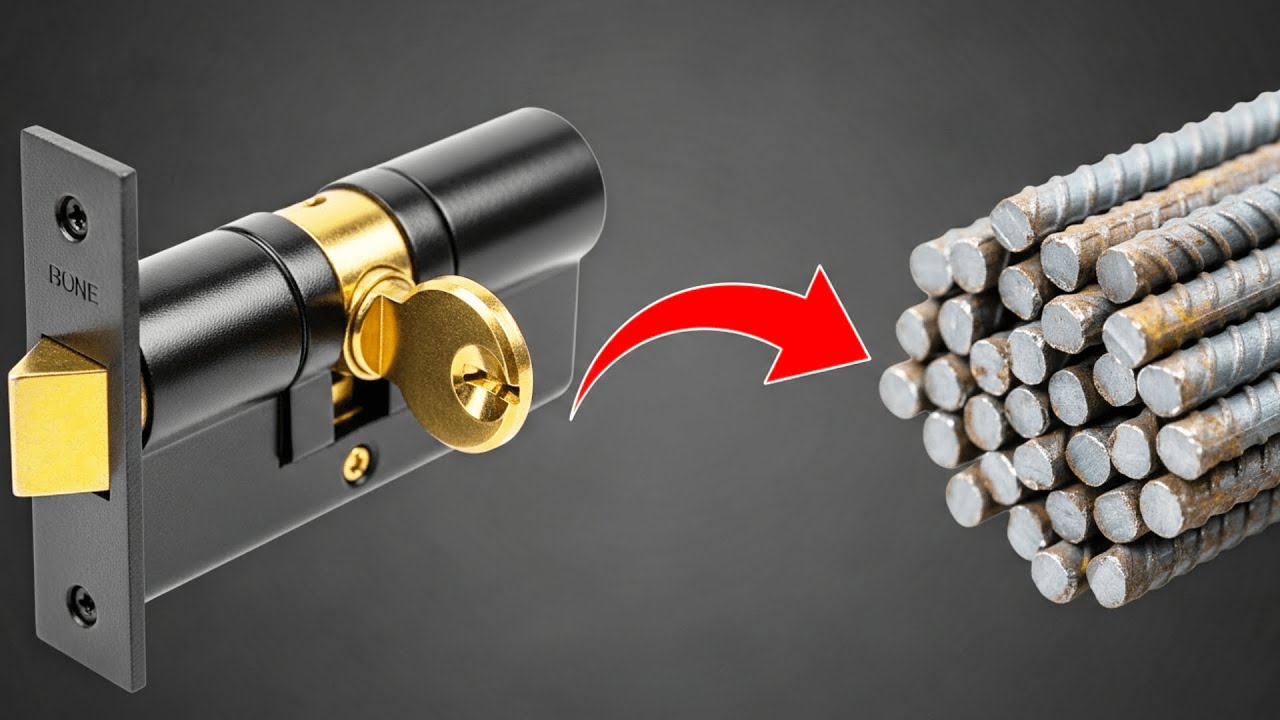
Unlock Doors in 5 Easy Steps Using a Simple Welding Rod Trick
Unlock Doors with a Simple Welding Rod Trick
- Introduction
- Understanding the Trick
- Required Materials
- Step-by-Step Guide
- Common Mistakes
- FAQ
- Conclusion
Introduction
Imagine finding yourself locked out of your home, standing in the cold, and searching for a way back in. The frustration can be overwhelming, especially if you don’t want to damage your door or call a locksmith. Fortunately, there’s a clever technique that involves using a welding rod, which can help you unlock a door quickly and easily. Continue reading to discover how this simple method works.
Understanding the Trick
Using a welding rod to unlock doors stems from the idea of manipulating the locking mechanism without causing damage. This method is particularly useful for certain types of locks and can save time and hassle. Before diving into the process, it’s essential to understand how locks function and why this trick can be effective in specific situations.
Types of Locks Suitable for This Trick
- Pin tumbler locks
- Some deadbolts
- Latch locks
Safety Considerations
While using a welding rod can be effective, ensure that you are authorized to unlock the door. Attempting this on a lock you don’t own could be illegal. Always prioritize safety and abide by local laws.
Required Materials
Before you begin, gather the following materials. Having everything on hand will streamline the process:
- Welding rod (a thin, flexible one works best)
- Flashlight
- Pliers
- Screwdriver (optional, for some types of locks)
Step-by-Step Guide
Now that you have the necessary understanding and materials, let’s walk through the process. This guide will help you unlock your door effectively.
Step 1: Assess the Lock
Firstly, evaluate the type of lock you are dealing with. Make sure it is one that can be manipulated using a welding rod.
Step 2: Insert the Welding Rod
Gently insert the welding rod into the space between the door and the frame. Aim for the area where the locking mechanism is located.
Step 3: Apply Pressure
Once inserted, use gentle pressure to manipulate the lock. You may need to feel around to find the correct angle to engage the tumbler mechanism.
Step 4: Twist and Turn
With the welding rod in place, twist and turn it lightly. This action should align the pins inside the lock, allowing it to disengage.
Step 5: Open the Door
Once the lock turns, gently pull or push the door to open it. If it resists, check to see if the mechanism is fully disengaged.
Common Mistakes
A few common pitfalls can hinder your success with this method. Here are some mistakes to avoid:
- Using too much force: Applying excessive pressure can damage the lock.
- Incorrect rod positioning: Ensure you’re targeting the correct spot of the lock.
- Not assessing the lock type: Attempting this with a non-compatible lock can lead to frustration.
- Rushing the process: Take your time to avoid making errors.
FAQ
Can I use a regular metal rod instead of a welding rod? While a welding rod is recommended for flexibility, a thin metal rod may work in some situations, but it’s less effective.
Is this method safe? Yes, as long as you have permission to unlock the door. Using this technique without authorization can lead to legal issues.
What if the rod gets stuck? Gently wiggle the rod to free it, but avoid using excessive force, which may cause damage to the lock.
Conclusion
Using a welding rod to unlock doors can be a handy skill when locked out. With careful preparation and the right technique, you can effectively regain entry. Have you ever faced a similar situation? Share your experiences in the comments below.