5 Practical Vegetable Hacks Your Neighbors Are Secretly Using!
5 Practical Vegetable Hacks You Can Use in Your Garden
- Hack 1: Companion Planting
- Hack 2: DIY Fertilizers
- Hack 3: Pest Control with Natural Remedies
- Hack 4: Vertical Gardening Techniques
- Common Mistakes to Avoid
- FAQ
Hack 1: Companion Planting
Many gardeners find themselves perplexed when their crops don’t thrive. Could it be that the plants being grown aren’t compatible? Companion planting is a strategic approach that enhances growth and minimizes pests. By grouping certain vegetables together, you can create a thriving ecosystem for your garden.
Benefits of Companion Planting
- Improved nutrient uptake: Some plants can enhance the soil nutrient availability for their companions.
- Pest deterrence: Certain plants repel pests harmful to neighboring vegetables.
- Attraction of beneficial insects: Flowers can draw in pollinators and predatory insects that help manage pest populations.
Popular Combinations
- Tomatoes and basil: This duo not only tastes great but also helps improve each other’s growth.
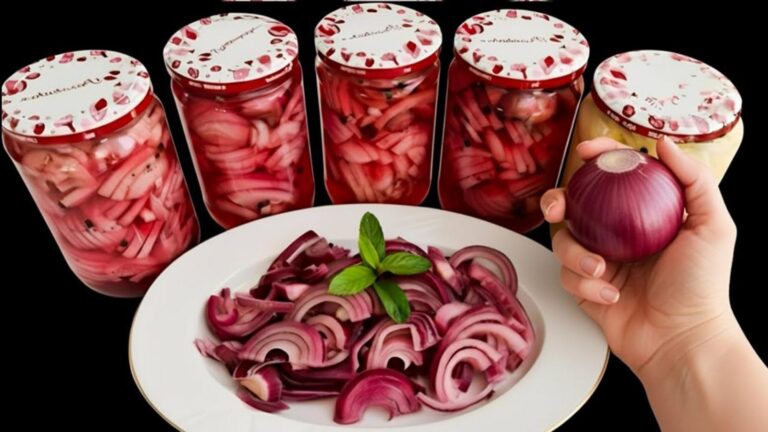
- Carrots and onions: These two can deter each other’s pests, reducing the need for chemical solutions.
- Beans and corn: Beans provide nitrogen to corn, while corn offers a sturdy support for bean vines.
Hack 2: DIY Fertilizers
Are you frustrated by the cost of store-bought fertilizers? You might consider making your own! DIY fertilizers are an economical and environmentally friendly option. Using ingredients you already have at home can feed your vegetables and promote healthy growth.
What You Need for DIY Fertilizers
- Banana peels: High in potassium, they’re great for flowering plants.
- Eggshells: Crushed shells add calcium, which is essential for various vegetable crops.
- Used coffee grounds: Rich in nitrogen, they benefit acid-loving plants.
Simple Preparation Method
- Collect: Gather your organic scraps, such as banana peels and eggshells.
- Blend: Mix them with water until smooth.
- Dilute: Use the mixture as a fertilizer for your vegetable garden, applying it once a month.
Hack 3: Pest Control with Natural Remedies
Pest-Repelling Ingredients
- Garlic: A natural repellent, garlic can deter various pests.
- Neem oil: This oil disrupts the life cycle of pests when applied to foliage.
- Soap water: A simple mixture can suffocate soft-bodied insects.
How to Prepare Natural Pesticides
- Crush garlic cloves: Make a paste with water.
- Strain: Filter the mixture and add a few drops of dish soap.
- Spray: Apply it to affected plants every week to ensure effectiveness.
Hack 4: Vertical Gardening Techniques
If you’re short on space but want to grow vegetables, vertical gardening can be a transformative solution. Maximizing your growing area with vertical techniques not only enhances aesthetics but also improves air circulation and light exposure.
Essential Materials
- Treillis: A simple trellis can support climbing plants.
- Hanging planters: Use old containers to hang herbs and smaller vegetables.
- Pallets: An upcycled pallet can serve as an attractive vertical garden with pockets for various plants.
Plant Suggestions for Vertical Gardening
- Beans: They climb and produce lots of flowers and beans.
- Peppers: Compact and easy to support with vertical structures.
- Strawberries: They thrive well in hanging planters.
Common Mistakes to Avoid
Even the most experienced gardeners can make blunders that might hinder their vegetable gardening efforts. Here are a few mistakes to watch out for.
- Overwatering: This can lead to root rot and other problems.
- Ignoring soil health: Neglecting soil quality can affect plant growth.
- Plant overcrowding: Ensuring proper spacing is crucial for air circulation and light access.
FAQ
What vegetables grow well together?
Good pairings include tomatoes with basil, carrots with onions, and beans with corn, which all enhance each other’s growth and deter pests.
How can I make organic fertilizer at home?
You can create organic fertilizer by using kitchen scraps like banana peels, eggshells, and used coffee grounds blended with water and applied to your garden.
What are effective natural pest deterrents?
Garlic, neem oil, and soap water are excellent natural remedies for keeping common garden pests away without chemicals.
Conclusion
By employing these five practical vegetable hacks, you can make your gardening experience more fruitful and enjoyable. Have you tried any of these methods, or do you have your own gardening hacks to share?