Unlock 3 Secrets to Propagate Orchids Successfully and Watch Them Thrive!
Unlock 3 Secrets to Propagate Orchids Successfully
- Why You Should Propagate Orchids
- Effective Methods of Propagation
- Common Mistakes to Avoid in Orchid Propagation
- FAQ
Why You Should Propagate Orchids
If you have an orchid that has bloomed beautifully, you might be wondering how to share its beauty or expand your collection. Perhaps you’ve seen this stunning flower in a friend’s home and thought, “I want more of these!” Propagating orchids can be a rewarding experience, as it allows you to create new plants from an existing one, giving you more blossoms to enjoy. It also provides an opportunity for you to connect with nature and practice your gardening skills. Let’s explore how to successfully propagate your orchids.
Effective Methods of Propagation
There are several techniques for propagating orchids, and understanding which method suits your plant type will enhance your chances of success. Here are three popular methods:
1. Division of Pseudobulbs
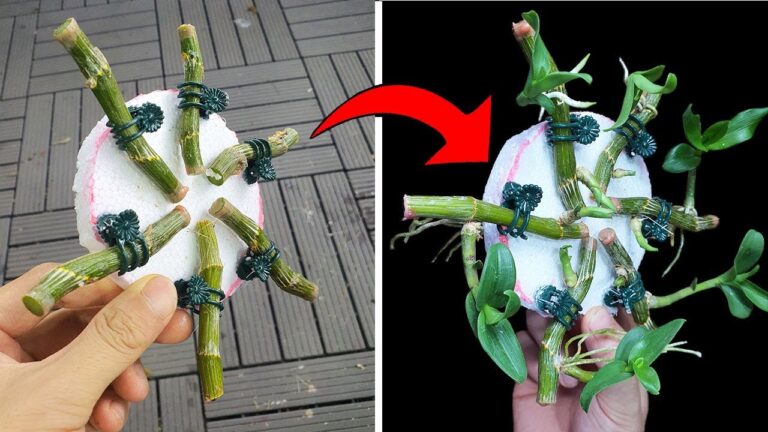
One common approach is to divide the pseudobulbs of your orchid. This technique works well for specific types of orchids like Cattleyas and Dendrobiums.
- Wait until the orchid has finished blooming.
- Remove the plant from its pot and gently separate the roots.
- Identify the pseudobulbs; ideally, each division should have a root system and develop a healthy leaf.
- Use a sterile knife to cut the pseudobulbs apart.
- Pot each division in fresh orchid mix.
2. Keiki Production
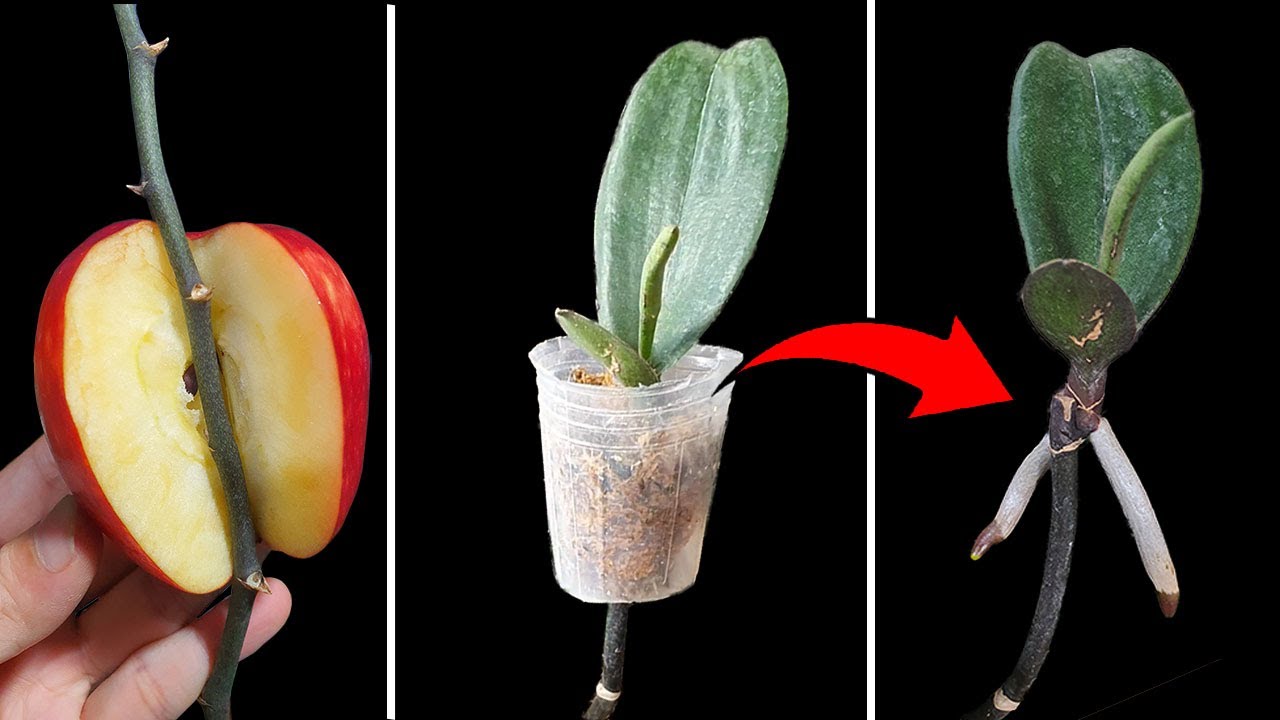
Another fascinating method is taking advantage of keikis, which are small offsets that grow on the flower spike of certain orchids, like Phalaenopsis.
- Look for a healthy keiki with roots at least 2 inches long.
- Carefully cut it off the mother plant using sterile scissors.
- Plant the keiki in its own pot with orchid mix.
- Keep it in a humid environment to promote root growth.
3. Seed Propagation
This method is less common and more complex but can be rewarding. It involves growing orchids from seeds, which requires specific conditions.
- Obtain orchid seeds, which are usually tiny and need a sterile medium for growth.
- Prepare a flask with a nutrient-rich medium.
- Introduce the seeds into the flask under sterile conditions.
- Seal the flask and place it in indirect light, maintaining a consistent temperature.
Common Mistakes to Avoid in Orchid Propagation
As with any gardening endeavor, avoiding pitfalls will ensure your propagation efforts are fruitful. Here are some mistakes to watch out for:
1. Ignoring Plant Health
Always check the health of your mother plant before propagation. If it shows signs of disease or stress, it can affect the new plants.
2. Using Non-Sterile Tools
Not sterilizing your tools can introduce harmful bacteria and fungi, which can damage both the parent and the new plant.
3. Overwatering
Newly propagated orchids are sensitive to moisture. Overwatering can lead to root rot, so be cautious with your watering routine.
FAQ
Q: How long does it take for propagated orchids to bloom?
A: It can take anywhere from 12 to 24 months for newly propagated orchids to bloom, depending on the species and care provided.
Q: Can I propagate orchids in water?
A: While some methods may allow for water propagation, it’s generally better to use orchid mix for rooting to prevent rot.
Q: What is the best time of year to propagate orchids?
A: The ideal time is usually after the blooming period, early spring being a great season for most types.
Conclusion
Understanding how to successfully propagate orchids enhances your gardening skills and allows you to enjoy more beautiful blooms. Be mindful of the common mistakes to avoid and choose the right method for your orchid type. Do you have any propagation experiences or tips to share? Your thoughts could help others in the community!