Root Any Cutting Quickly: 5 Simple Techniques You Need to Try!
Root Any Cutting Quickly: 5 Simple Techniques You Need to Try!
- Introduction
- Technique One: Water Propagation
- Technique Two: Soil Propagation
- Technique Three: Using a Propagation Station
- Common Mistakes to Avoid
- FAQ
- Conclusion
Introduction
Have you ever cut a beloved plant hoping to create new ones, only to watch as those cuttings seemed to wither instead of thrive? It can be disheartening to nurture plants and then struggle with propagation. Yet, successful rooting can lead to a vibrant indoor garden and beautiful décor. In this article, we’ll explore five simple techniques to help you root any cutting quickly so you can enjoy the satisfaction of growing your collection.
Technique One: Water Propagation
Water propagation is an easy, visual way to root cuttings. This method allows you to see the roots develop before planting. Follow these steps to ensure success:
Materials Needed
- Glass jar or vase
- Scissors or pruning shears
- Cutting from a healthy plant
Steps for Water Propagation
- Cut a 4-6 inch section from a healthy stem, ensuring it has at least one node.
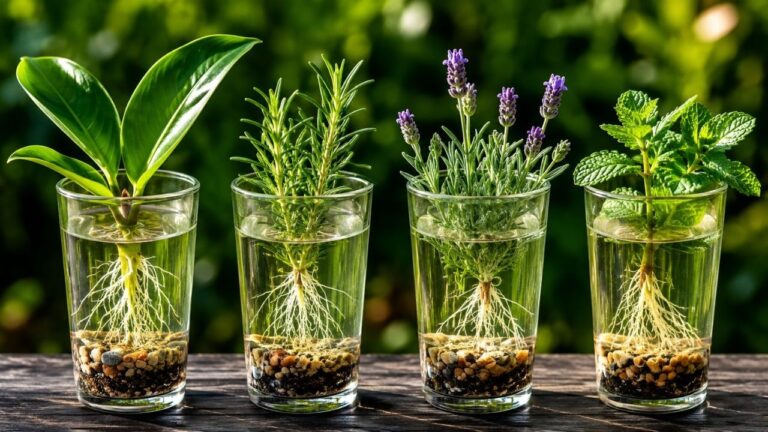
- Place the cutting in a jar filled with water, making sure the node is submerged.
- Change the water every few days to keep it fresh and oxygenated.
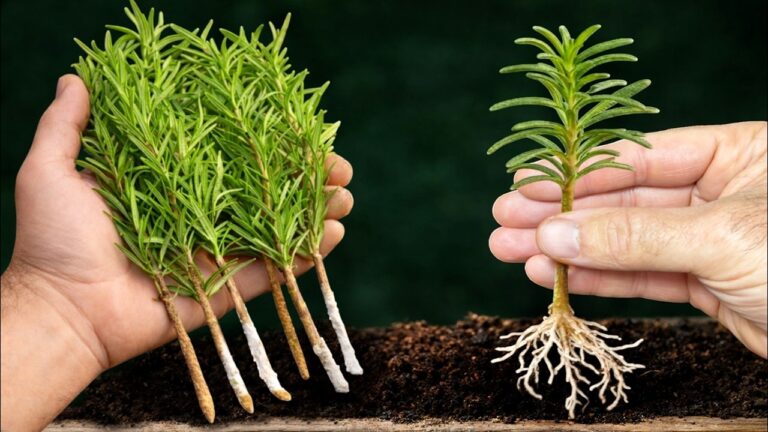
- Wait for roots to develop (usually 2-4 weeks) before transferring to soil.
Practical Tips
Choose a spot with indirect sunlight to encourage healthy growth without stress. You can root multiple cuttings simultaneously in a propagation station for a beautiful display.
Technique Two: Soil Propagation
If you prefer a more traditional approach, soil propagation can be very effective. This method encourages stronger roots that adapt well to their new environment.
Necessary Materials
- Potting mix
- Container with drainage
- Cutting from a healthy plant
Steps for Soil Propagation
- Prepare a small container with potting mix, ensuring it’s moist but not soggy.
- Insert the cutting into the soil, burying the node about an inch deep.
- Cover the container with a plastic bag or a makeshift greenhouse lid to maintain humidity.
- Monitor soil moisture regularly and remove the cover once new growth appears (around 3-6 weeks).
Tips for Success
Use a rooting hormone to enhance success rates, especially with tougher plant varieties. Adequate drainage is essential to prevent root rot.
Technique Three: Using a Propagation Station
A propagation station is a decorative way to showcase your cuttings. This setup combines both water and air propagation techniques.
Setting Up Your Propagation Station
- Test tube holder or wall-mounted racks
- Multiple test tubes or jars
- Healthy cuttings
Steps for Using a Propagation Station
- Fill each test tube with water, ensuring it’s deep enough to cover the nodes.
- Place the cuttings in the test tubes, keeping them upright.
- Position the propagation station in a spot with bright, indirect sunlight.
- Change the water regularly to keep it fresh and oxygenated.
Display Ideas
Using a sleek glass design allows you to see the roots as they grow, creating an eye-catching display that adds charm to your space.
Common Mistakes to Avoid
Even though rooting cuttings can be simple, there are common pitfalls to watch out for:
- Using cuttings that are too small or weak.
- Neglecting to change the water in water propagation.
- Overwatering in soil propagation leading to root rot.
- Not allowing enough indirect sunlight, which can hinder growth.
- Skipping the use of rooting hormone for species that benefit from it.
FAQ
How long does it take to root cuttings?
Rooting times can vary depending on the plant species, typically ranging from 2-6 weeks. Patience is key as roots grow at their own pace.
Can I use any plant cutting for propagation?
Not all plants propagate the same way. Many houseplants and herbs root efficiently, but some may struggle. Research each species for optimal methods.
What should I do if my cutting isn’t rooting?
If your cutting isn’t rooting after a few weeks, check for factors like moisture, light, and node quality. Consider trying a different propagation method or relocating it for better conditions.
Conclusion
Adopting these techniques to root any cutting quickly can lead to fruitful gardening experiences. Evaluate your conditions and try different methods to find what works for you. How will you use these techniques in your indoor garden? Share your thoughts in the comments!