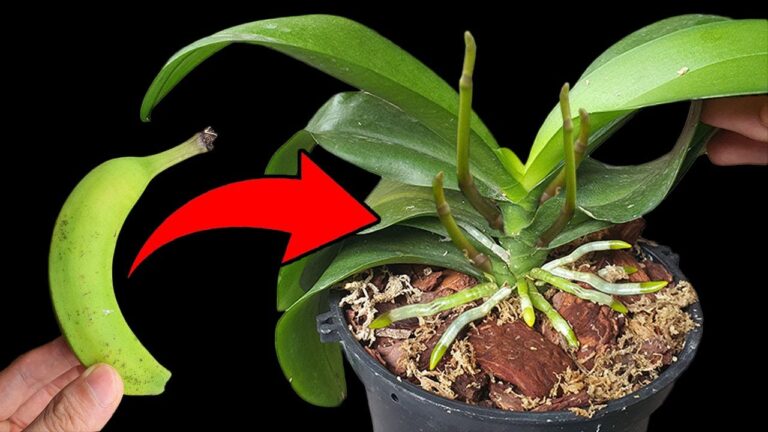
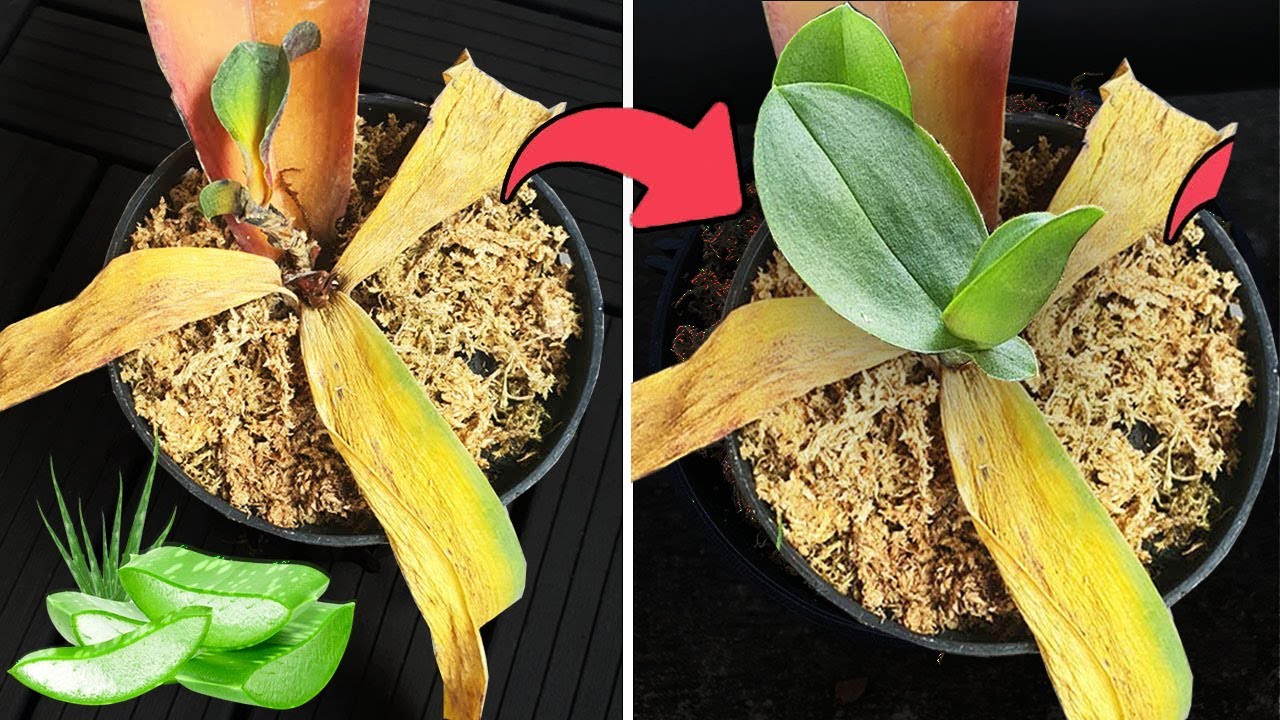
Revive Orchid with Just 1 Aloe Vera Leaf: 7 Easy Steps to Heal Root Rot!
Revive Your Orchid with Just 1 Aloe Vera Leaf: 7 Easy Steps to Heal Root Rot
- Understanding Root Rot
- Benefits of Aloe Vera for Orchids
- Materials Needed
- Step-by-Step Guide
- Common Mistakes
- FAQ
Have you noticed that your once-vibrant orchid is now drooping, and its leaves are yellowing? If you’re struggling to keep your orchid healthy and suspect root rot, you might feel frustrated and unsure about how to bring it back to life. Fortunately, simple home remedies can help. One of the most effective solutions involves using an ingredient you may already have in your kitchen: aloe vera. Keep reading to explore a practical method to restore your orchid’s health.
Understanding Root Rot
Root rot is a common issue affecting orchids, often caused by overwatering or inadequate drainage. When orchid roots sit in waterlogged soil, they begin to decay, leading to a host of problems for your plant.
Causes of Root Rot
- Overwatering: Giving your plant too much water can suffocate roots.
- Poor Drainage: Soil that retains too much moisture can also contribute to decay.
- Infection: Fungi and bacteria can enter through damaged roots and promote rot.
Signs of Root Rot
Recognizing root rot early can save your orchid. Look for these symptoms:
- Soft, mushy roots
- Yellowing leaves
- Wilting or drooping flowers
Benefits of Aloe Vera for Orchids
Aloe vera is a versatile plant known for its healing properties. For orchids, it acts as a natural remedy that can help restore health in several ways.
Healing Properties
The gel inside aloe vera leaves contains vitamins, enzymes, and amino acids that can aid in healing damaged roots. When applied, it encourages root growth and enhances the plant’s overall vitality.
Natural Antimicrobial
Aloe vera’s antimicrobial qualities can help prevent further infection in the affected areas, reducing the risk of further rot and promoting a healthy environment for recovery.
Materials Needed
Before you start the healing process, gather the following materials:
- 1 healthy aloe vera leaf
- Sharp scissors or a knife
- Orchid potting mix (well-draining)
- Container for soaking roots (optional)
Step-by-Step Guide
Follow these 7 easy steps to revive your orchid using aloe vera.
- Inspect your orchid: Check the roots for any signs of rot.
- Remove the plant from its pot: Gently take your orchid out and shake off old soil.
- Trim the damaged roots: Use scissors to cut away any mushy or dark roots.
- Prepare the aloe vera: Cut a leaf and scoop out the gel into a bowl.
- Apply the aloe vera gel on the affected roots generously.
- Pot your orchid: Place the orchid back into a fresh potting mix, ensuring good drainage.
- Water lightly: Moisten the mix, but avoid soaking the roots initially.
Practical Tips
- Make sure the aloe vera is fresh and free from any signs of decay.
- Use a sterilized knife or scissors to avoid infection risks.
- Keep your orchid in a warm and bright spot but out of direct sunlight while recovering.
Common Mistakes
While treating root rot, avoiding these common mistakes can enhance your success rate.
- Neglecting to check for pests or other diseases before treatment.
- Using regular potting soil instead of well-draining orchid mix.
- Overwatering after treatment, which can reintroduce rot.
- Not providing enough light during recovery, inhibiting growth.
- Failing to monitor for new root growth, which is essential for recovery.
FAQ
How often should I water my orchid after treatment?
Water your orchid sparingly after treatment. Allow the top inch of the soil to dry out before re-watering, typically every 1-2 weeks.
Can I use other plants’ gel for my orchid?
While many plant gels have healing properties, it’s best to use fresh aloe vera, as its benefits are well-documented for orchids.
How long does it take for an orchid to recover from root rot?
Recovery can take several weeks to months, depending on the extent of the damage and environmental conditions. Be patient and monitor your plant’s progress.
In summary, using aloe vera to treat root rot can rejuvenate your orchid. By understanding root rot and following the outlined steps, you give your orchid a real chance at recovery. What techniques do you find most effective for keeping your orchids healthy? Your experiences may help others in the community!