7 Shocking Changes in Your Body When You Smoke Daily – Find Out the Truth!
Discover the Effects of Smoking on Your Body Each Day
- Introduction
- Changes in Your Body When You Smoke Daily
- Common Mistakes About Smoking
- Tips for Healthier Choices
- Frequently Asked Questions
Introduction
Many people may notice subtle shifts in their body and well-being over time, especially if they smoke regularly. From physical changes to shifts in mood, the impact of daily smoking can sometimes feel overwhelming. You might be curious about how this habit affects your health or whether the changes you experience are universal or unique to you. Understanding these effects can be the first step towards making informed decisions about your health. Keep reading to discover more about the profound changes smoking can bring to your body.
Changes in Your Body When You Smoke Daily
Smoking daily can lead to a variety of physical changes. Here are some significant effects you might experience:
1. Lung Health Complications
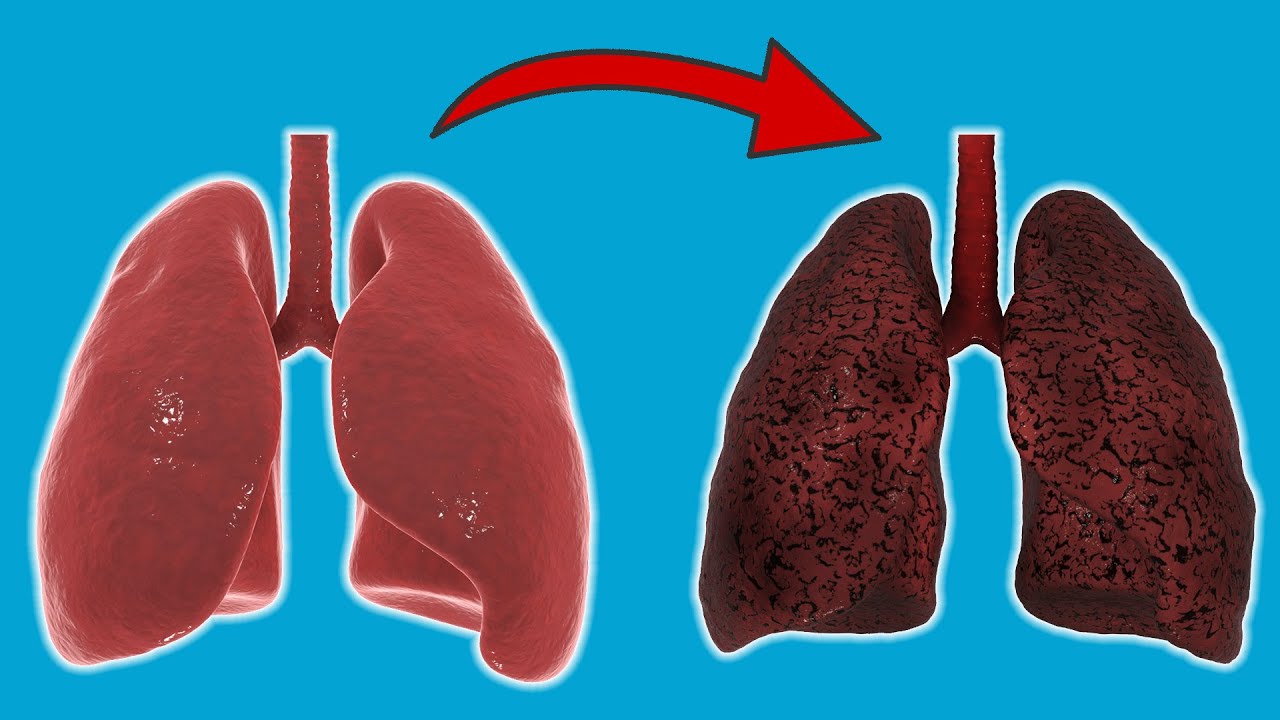
Your lungs are one of the most affected parts of your body when you smoke. Daily exposure to smoke can lead to chronic issues.
- Develop chronic bronchitis, characterized by a persistent cough and mucus production.
- Weaken your immune system, making it difficult for you to fight infections.
- Increase your risk of infections like pneumonia.
2. Skin Aging
Smoking can accelerate the aging of your skin. Daily exposure leads to visible changes.
- Reduce blood flow to your skin, causing a dull appearance.
- Contribute to fine lines and wrinkles, especially around the mouth.
- Decrease collagen production, which is essential for skin elasticity.
3. Oral Health Declines
Your mouth and teeth can suffer significant damage due to smoking.
- Exacerbate gum disease and tooth loss.
- Cause discoloration of your teeth, leading to an unattractive smile.
- Increase the risk of oral cancer.
4. Cardiovascular Issues
Daily smoking has serious implications for your heart health.
- Elevate blood pressure and heart rate.
- Contribute to the buildup of plaque in arteries.
- Increase the risk of stroke and heart attack.
5. Mental Health Effects
Smoking can also impact your mental well-being significantly.
- Raise anxiety and stress levels over time.
- Improve short-term mood but often leads to long-term depression.
- Hinder cognitive function and memory.
Common Mistakes About Smoking
While understanding the effects of smoking, it’s also vital to recognize common misconceptions that could affect your outlook on quitting.
Mistake 1: Believing That It’s Only a Physical Habit
Many people think smoking is purely about physical addiction. In reality, it also has emotional and psychological components that can make it hard to quit.
Mistake 2: Assuming That Quitting Is Easy
Some assume that quitting smoking doesn’t require planning or support, which can lead to frustration and relapses.
Mistake 3: Ignoring Secondhand Smoke Risks
Many smokers underestimate the dangers of secondhand smoke, affecting loved ones who might be exposed to it.
Tips for Healthier Choices
If you’re looking to shift away from smoking or simply want healthier habits, consider these practical strategies:
1. Explore Alternatives
Consider healthier alternatives that may meet your need for a break or stress relief, such as:
- Try engaging in physical activity like walking or yoga.
- Practice deep breathing techniques to relax.
- Find enjoyable hobbies to occupy your mind.
2. Seek Support
Having a support system can significantly aid in making healthier choices.
- Talk with friends or family about your goal to quit.
- Join support groups either online or in your community.
- Consider professional help for counseling if needed.
3. Educate Yourself Further
Knowledge can empower you. Keeping informed about the risks of smoking can reinforce your resolve.
- Read articles on health benefits of quitting.
- Follow health blogs for tips on living smoke-free.
- Watch documentaries that explore the effects of smoking in depth.
Frequently Asked Questions
What are the most immediate effects of smoking?
Immediate effects can include increased heart rate, bad breath, and a decreased sense of taste and smell.
How does smoking affect your life expectancy?
Smoking can significantly lower life expectancy, with studies showing a reduction of at least a decade compared to non-smokers.
Is it ever too late to quit smoking?
No, it’s never too late to quit smoking. Even after years of smoking, quitting can lead to improved health and decreased risks of various diseases.
Conclusion
Understanding the effects of smoking on your body is a critical step in taking control of your health. With the knowledge of the changes it brings, you can make informed choices about your lifestyle. What changes have you or someone you know experienced from smoking?