7 Shocking Effects of Driving in the Dark on Your Body You Need to Know!
The Surprising Effects of Driving in the Dark on Your Body
- Understanding Night Driving
- Physical Effects of Dark Driving
- Mental Impact of Driving in the Dark
- Common Mistakes to Avoid
- FAQ
Have you ever hit the road at night and suddenly felt a wave of fatigue wash over you? It’s not just the late hour — driving in the dark presents unique challenges that can affect your body in ways you might not be aware of. The combination of low visibility, tiredness, and the demands of the road can add stress to your system, leading to unexpected consequences. Understanding these effects can help you stay healthier and more alert on night journeys. Delve deeper into the surprising impacts of nighttime driving!
Understanding Night Driving
Driving at night can be both daunting and necessary. Many find themselves on the roads after sunset — for work, errands, or social outings. However, the physiological and psychological effects of night driving are important to recognize.
1. Increased Eye Strain
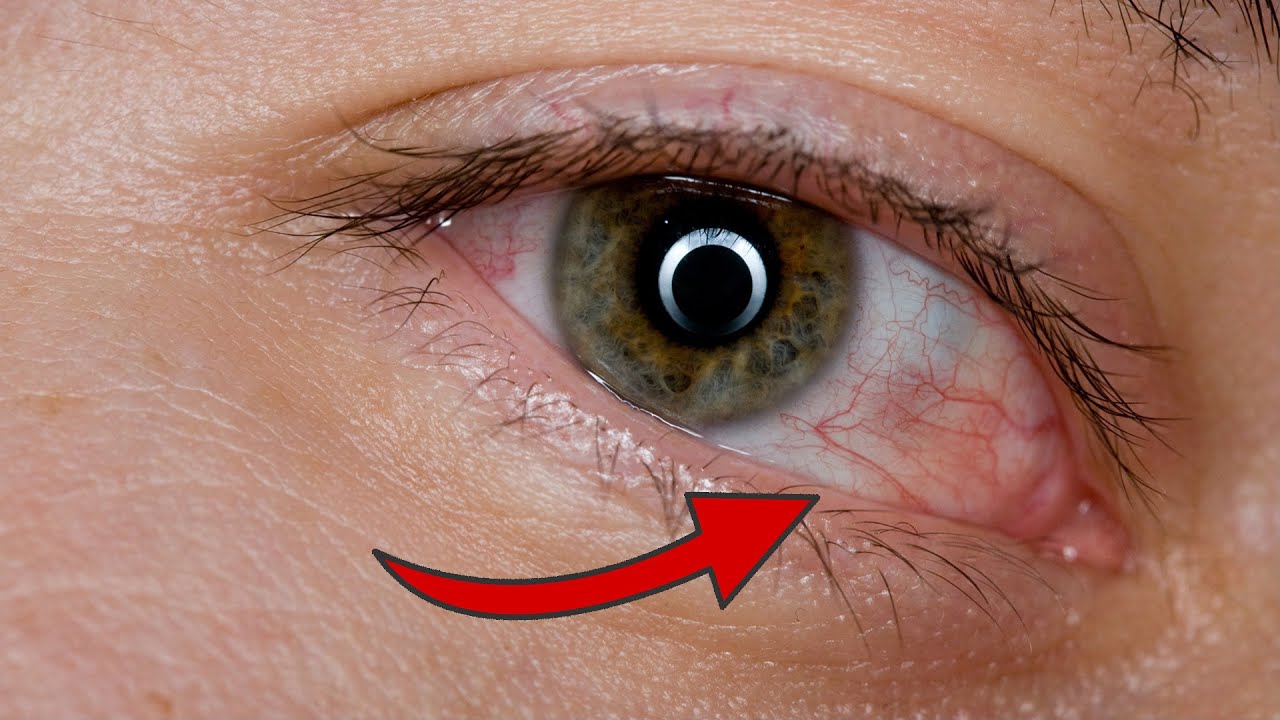
Your eyes work harder to see in low light, leading to increased fatigue. The contrast between bright headlights and darkness can further strain your vision. Make sure to take frequent breaks if you’re driving for extended periods at night.
2. Greater Reaction Times
Studies show that driving in the dark can slow down your reaction times. Visibility issues and the potential for fatigue can make it harder to respond to hazards on the road promptly.
3. Biological Rhythms
Your body has natural rhythms that influence alertness. The brain tends to signal for sleep after dark. Recognizing these patterns can help you plan your driving times better, ideally avoiding long night drives when feeling sleepy.
Physical Effects of Dark Driving
Driving in the dark can lead to various physical impacts on your body, from muscle tension to long-term fatigue. Here’s what you should know about how nighttime driving affects your physical health.
1. Muscle Tension
Holding the steering wheel tightly during stressful night drives can lead to muscle tension, especially in your back and shoulders. Instead of gripping the wheel, try to maintain a relaxed posture. Use lumbar support for added comfort.
2. Fatigue and Drowsiness
Prolonged driving at night can lead to a high level of fatigue. Signs of drowsiness include yawning and difficulty focusing. Practice stopping safely when you notice these signs and take a break.
3. Risk of Accidents
The risk of being involved in an accident significantly increases under low-light conditions. Keeping your headlights clean and ensuring they’re bright enough can help improve visibility and keep you safer on the road.
Mental Impact of Driving in the Dark
The mental effects of driving in the dark can be just as crucial as the physical ones. The combination of fatigue and decreased visibility can lead to a range of cognitive challenges.
1. Increased Stress and Anxiety
Driving at night can raise stress levels due to decreased visibility and the unpredictability of the road. Consider practicing mindfulness or deep breathing exercises to help manage these feelings.
2. Heightened Emotional Response
Studies suggest that emotions can be heightened during nighttime driving. If you find yourself feeling more anxious, take a moment to pull over and gather your thoughts before continuing your journey.
3. Impaired Decision-Making
The combination of fatigue and stress can impair decision-making. Recognizing this, give yourself ample time to reach your destination and avoid rushing decisions at critical moments.
Common Mistakes to Avoid
To stay safe and promote your health while driving in the dark, be aware of these common mistakes that many drivers make.
1. Neglecting Vehicle Maintenance
Failure to maintain your vehicle can lead to hazardous situations. Regularly check your headlights and brake lights to ensure they are functioning properly.
2. Over-relying on Headlights
Some drivers assume their headlights will provide enough visibility for all circumstances. However, bright lights may create glare. Using high beams wisely without blinding other drivers is crucial.
3. Ignoring Personal Limits
Some drivers push through fatigue, convinced they can make it to their destination without stopping. It’s important to recognize your limits and take breaks when necessary.
FAQ
Why does driving at night make me feel more tired?
Driving at night requires more focus and effort due to limited visibility. This increased mental effort can lead to greater fatigue.
What can I do to stay awake while driving at night?
Take regular breaks, stay hydrated, and share driving responsibilities if possible. Listening to upbeat music can also help maintain alertness.
Are there specific tips for nighttime driving safety?
Make sure your vehicle’s lights are functional, reduce speed in darkness, and keep a safe distance from other vehicles to improve your reaction time.
Driving at night has distinct effects on your wellbeing, from impacting your physical health to heightening mental strain. Recognizing these changes can empower you to choose safe practices on the road. How have you adapted your driving habits for nighttime travel? Your experiences can be valuable to others, so feel free to share in the comments.