7 Surprising Effects of Driving in the Dark on Your Body You Need to Know!
Understanding the Effects of Driving in the Dark on Your Body
- Introduction
- Vision Challenges While Driving at Night
- Fatigue and Alertness Levels
- Impact on Overall Health
- Common Mistakes to Avoid
- FAQ
- Conclusion
Introduction
Many people find themselves driving after sunset, whether commuting home from work or returning from a late-night gathering. This experience often leads to unexpected challenges and bodily responses that go unnoticed. From heightened fatigue to difficulties in vision, the effects of driving in the dark can be quite profound. Understanding these effects can help you take better care of yourself while navigating nighttime roads. Keep reading to discover how night driving impacts your body.
Vision Challenges While Driving at Night
Driving in low light conditions poses unique challenges for your vision. Here are some key aspects to consider about your eyesight during night drives:
1. Decreased Contrast Sensitivity
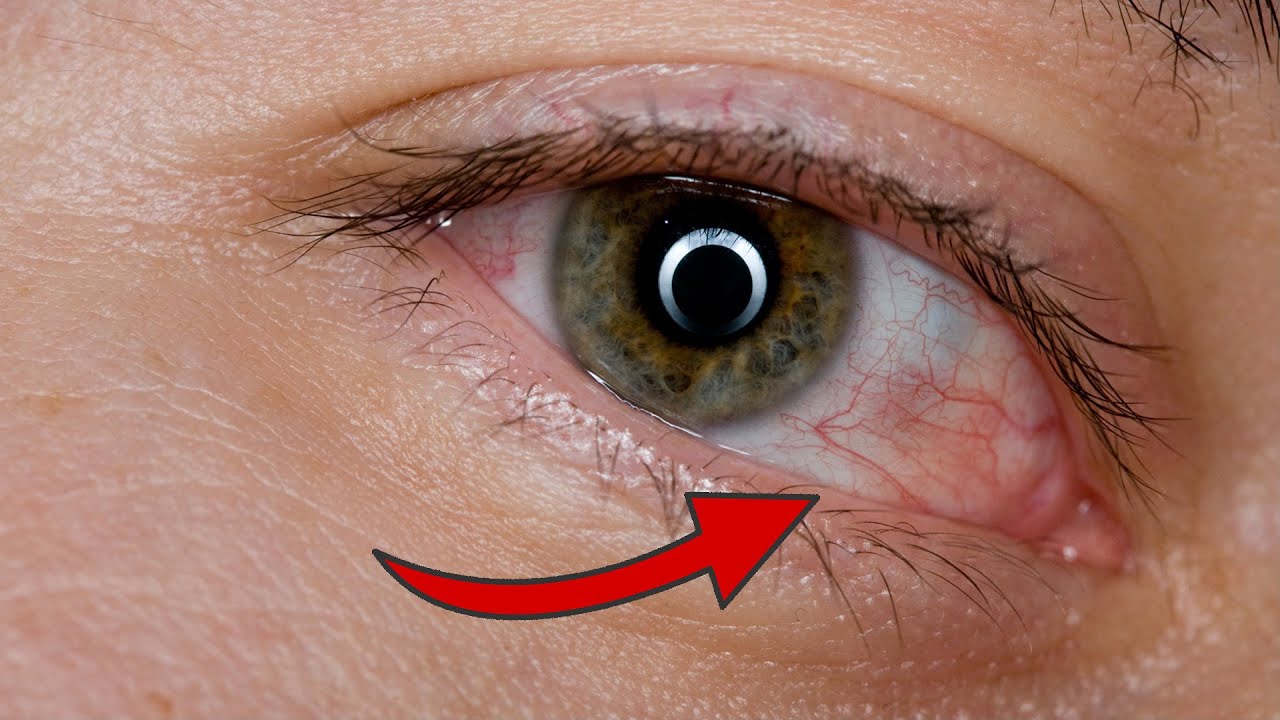
Your eyes may struggle to perceive contrasts in lighting, making it difficult to see pedestrians, road signs, and other vehicles. This decreased sensitivity can lead to a higher risk of accidents, especially on poorly lit roads.
2. Glare from Oncoming Traffic
Bright headlights from opposing traffic can cause temporary blindness and discomfort. It’s crucial to be aware of this effect and take steps to minimize glare, such as wearing anti-reflective glasses or adjusting your visor.
3. Adjustment Period
Your eyes require time to adjust to changing light conditions. To enhance your night vision, consider these tips:
- Keep your eyes focused on a distant point to allow proper adjustment.
- Avoid looking directly into bright lights; instead, glance at the periphery of your field of vision.
- Use dim interior lights to help your eyes adapt without losing visibility.
Fatigue and Alertness Levels
Another significant effect of driving in the dark is the potential impact on your alertness and fatigue levels. Here’s what happens:
1. Circadian Rhythms
Your body’s natural sleep-wake cycles can be disrupted by driving during nighttime hours. This can lead to reduced alertness, making it difficult to concentrate on the road.
2. Drowsiness
Many people experience increased drowsiness while driving at night. Recognizing signs of fatigue early can help you manage your energy levels effectively. Consider the following strategies to stay alert:
- Take regular breaks during long drives.
- Keep the cabin well-ventilated to help maintain focus.
- Engage in stimulating conversations with passengers.
3. Coffee or Snacks
Consuming caffeine or healthy snacks may provide a temporary boost. However, ensure to choose the right options for lasting energy without a crash later on.
Impact on Overall Health
The effects of driving in the dark extend beyond immediate fatigue and vision challenges; they can also influence your long-term health.
1. Stress Levels
Nighttime driving can increase stress, leading to elevated heart rates and tension. Understanding how to manage stress through breathing techniques or relaxing music can be beneficial.
2. Risk of Accidents
Statistics show that driving at night increases the chances of accidents. Implementing safe driving techniques can mitigate these risks:
- Maintain a safe distance from other vehicles.
- Stay within speed limits.
- Use headlights appropriately and switch them off when not needed.
3. Long-Term Effects
Frequent night driving can contribute to chronic fatigue and stress-related issues over time. Aim to balance your driving schedule with daytime activities whenever possible to promote better health.
Common Mistakes to Avoid
When it comes to driving in the dark, avoiding certain mistakes can improve your safety and well-being:
- Neglecting to adjust mirrors and seating position for optimal visibility.
- Ignoring warning signs of fatigue, such as yawning or frequent blinking.
- Failing to use headlights properly (not turning them on or using high beams incorrectly).
- Underestimating the importance of regular eye check-ups, especially as you age.
- Overlooking the need for adequate sleep before embarking on nighttime drives.
FAQ
1. Why is it harder to drive at night?
Driving at night is more challenging due to decreased visibility, glare from headlights, and biological changes in alertness levels.
2. How can I improve my night driving skills?
Improving night driving skills can be achieved through practice in safe, low-traffic areas, proper vehicle maintenance, and ensure adequate rest before driving.
3. Are there any health risks associated with frequent night driving?
Yes, frequent night driving can increase stress and fatigue levels, which may lead to long-term health issues if not managed properly.
Conclusion
Understanding the effects of driving in the dark is essential for your safety and overall health. By being mindful of the challenges and employing strategies to mitigate them, you can enhance your nighttime driving experience. What steps do you take to stay safe on the roads after dark?