
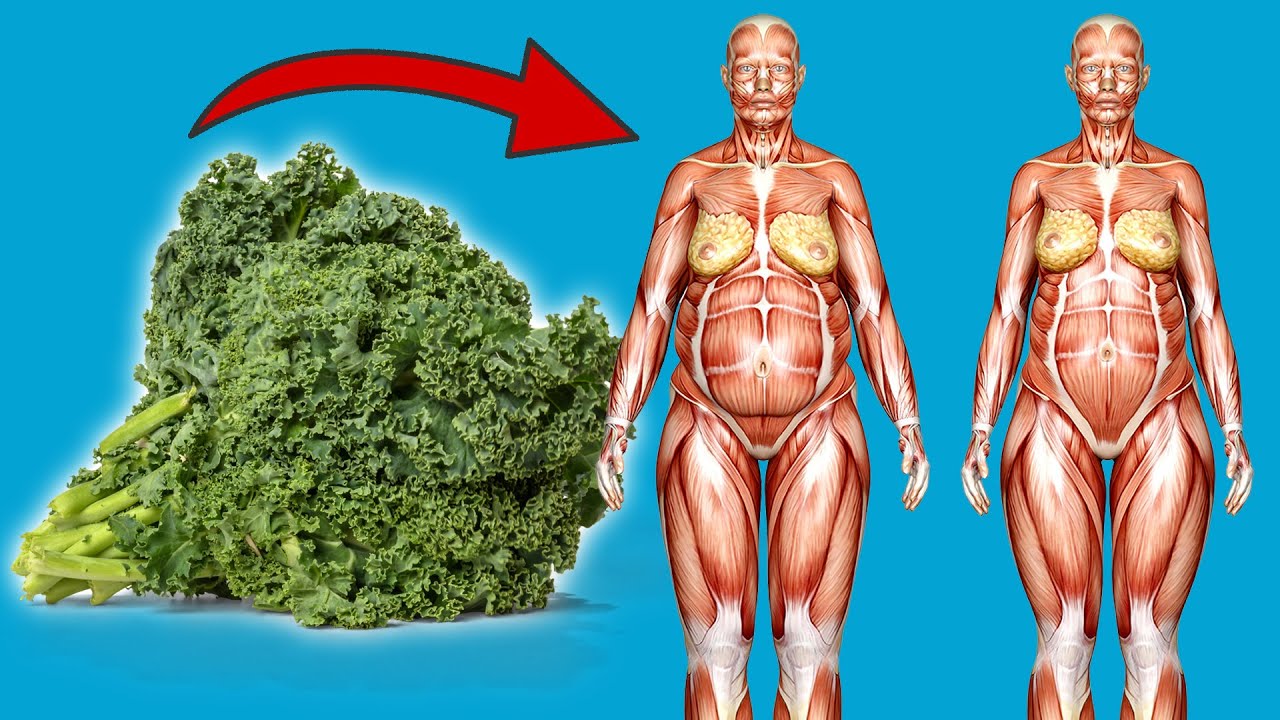
7 Surprising Benefits of Eating Kale Daily You Won’t Believe!
7 Surprising Benefits of Eating Kale Daily You Won’t Believe!
- Introduction
- Nutritional Value of Kale
- Health Benefits
- Including Kale in Your Diet
- Common Mistakes to Avoid
- FAQ
- Conclusion
Introduction
Are you tired of feeling sluggish and unhealthy? Perhaps you’ve heard about kale, the leafy green that’s making a splash in the world of health and wellness. You may be wondering if it really lives up to the hype and how it can contribute to your daily nutrition. In a world filled with dietary fads, the benefits of this humble vegetable might surprise you. Let’s dive into how eating kale daily can transform your health and well-being.
Nutritional Value of Kale
Kale is often celebrated for its rich nutrient profile, making it a popular choice among health enthusiasts. Understanding what makes kale special can help you appreciate its role in your diet.
1. Packed with Essential Nutrients
Kale is a powerhouse of vitamins and minerals. It is particularly high in:
- Vitamin K
- Vitamin C
- Vitamin A
- Calcium
- Iron
2. Low in Calories
With only about 33 calories per cup, kale is a low-calorie option that you can enjoy without guilt. This makes it an excellent choice for those looking to manage their weight while still getting an array of nutrients.
3. High in Antioxidants
Kale is rich in antioxidants, which help combat oxidative stress in your body. These antioxidants, including quercetin and kaempferol, contribute to your overall well-being.
Health Benefits
Incorporating kale into your daily meals can have profound effects on your health. Below are some of the most compelling reasons to add this green to your plate.
1. Promotes Heart Health
The fiber and antioxidants in kale can help lower cholesterol levels and reduce the risk of heart disease. Eating kale regularly may support a healthier heart.
2. Supports Bone Health
Kale’s high content of vitamin K plays a crucial role in bone health, promoting the growth of strong bones. This makes it particularly beneficial for maintaining bone density as you age.
3. Aids Digestive Health
With its high fiber content, kale can improve digestion and help promote a healthy gut. It’s a simple way to enhance your digestive function.
4. Boosts Immune Function
The vitamin C in kale supports your immune system, helping to fend off illnesses and infections. This is especially important during cold and flu season.
Including Kale in Your Diet
Now that you know the benefits of eating kale, it’s essential to explore how you can seamlessly integrate it into your daily meals.
1. Smoothies and Juices
Adding kale to smoothies or juices is a delicious way to enjoy its benefits. Combine it with fruits like bananas or berries for a nutrient-packed drink.
2. Salads and Bowls
Chop fresh kale for a nutritious salad base. You can enhance your salad with nuts, seeds, and your favorite dressing to make it even more satisfying.
3. Cooked Dishes
Kale can also be incorporated into stir-fries, soups, or stews. Cooking it briefly preserves its nutrients while making it tender and flavorful.
Common Mistakes to Avoid
When it comes to adding kale to your diet, there are some common missteps that can limit its potential benefits.
1. Not Washing Kale Properly
Ensure you wash kale thoroughly to remove any dirt or pesticides. This will enhance its health benefits and make it safe to consume.
2. Ignoring Variety
Eating kale every day is beneficial, but don’t forget to mix varieties. Different types of kale, like curly or Lacinato, offer unique flavors and textures.
3. Overcooking Kale
Overcooking can lead to a loss of nutrients. Aim for light cooking methods, such as steaming or sautéing quickly, to retain its health benefits.
FAQ
Q1: Can I eat kale raw?
Yes, kale can be eaten raw in salads or smoothies, but you may prefer to massage it with some dressing to make it more tender.
Q2: How often should I eat kale?
Incorporating kale into your daily diet is beneficial, but aiming for a few times a week can also provide significant health benefits.
Q3: Are there any side effects of eating too much kale?
While kale is nutritious, excessive consumption can lead to digestive discomfort or interfere with calcium absorption due to its oxalate content.
Conclusion
Eating kale daily can provide numerous health benefits, from improved heart health to enhanced digestion. By avoiding common mistakes and incorporating this superfood into your meals, you can enjoy its full potential. How do you plan to include kale in your diet?