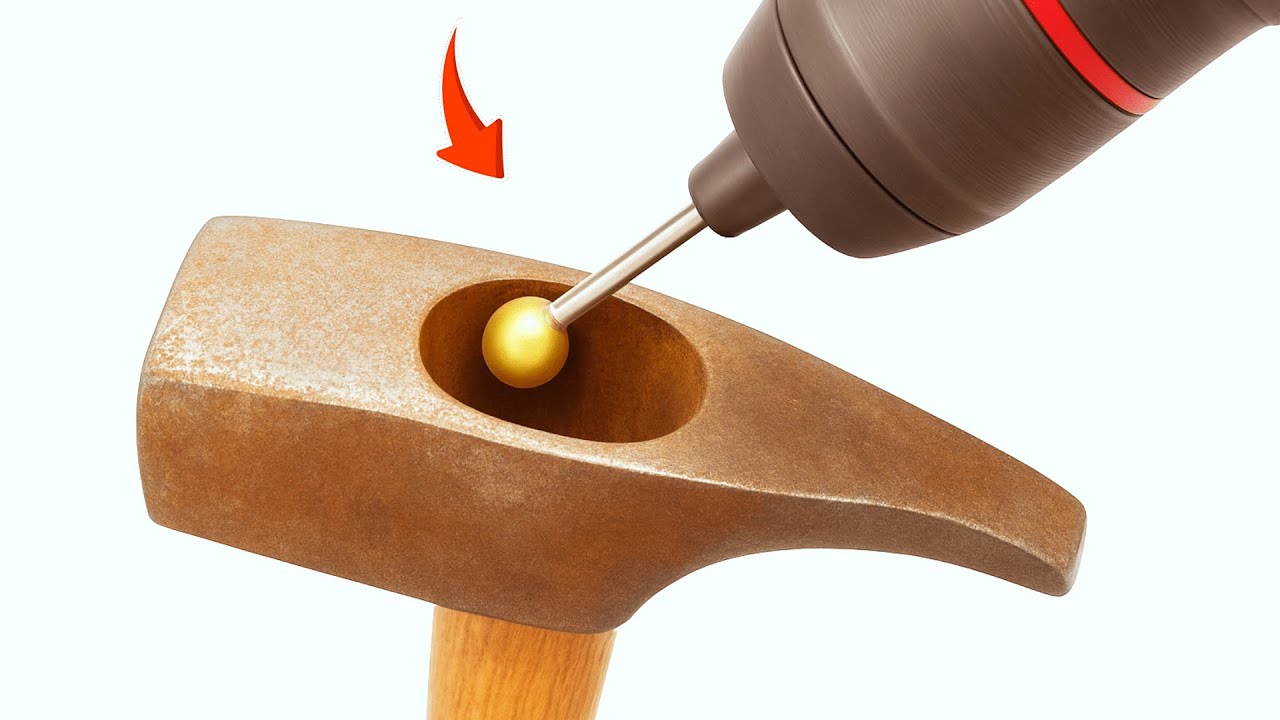
Revive Your Old Hammer: 5 Super Tips for an Amazing Restoration Process
Revive Your Old Hammer: 5 Super Tips for an Amazing Restoration Process
- Introduction
- Essential Tools for Hammer Restoration
- Cleaning Techniques for Your Hammer
- Repair Methods to Consider
- Common Mistakes to Avoid
- FAQ
- Conclusion
Introduction
Many of us have old tools tucked away in a garage or shed that have been forgotten. Among these relics, a rusty hammer might hide – once a reliable companion, now facing the ravages of time. When you finally decide to take it out, you may wonder if it can be restored to its former glory. The good news is that there are practical steps you can take to rejuvenate that worn-out hammer and make it usable again. Let’s explore how to breathe new life into your old tools.
Essential Tools for Hammer Restoration
Before diving into the restoration process, gathering the right tools will make your task easier and more efficient. Here’s a list of essential tools you’ll need:
- Wire brush: To remove rust and debris.
- Sandpaper: For smoothing rough edges and surfaces.
- Resetting tool: Useful for reattaching loose parts.
- Protective gloves: Always wear gloves to protect your hands.
- Rust remover: A chemical or homemade solution will help in the cleaning process.
Gather the Right Materials
Once you have the tools, you may also want to consider getting additional materials such as paint or varnish if you wish to give your hammer a fresh finish. Consider opting for eco-friendly options to minimize environmental impact.
Find a Suitable Workspace
Choose a well-ventilated area, preferably outdoors or in a garage, where you can work comfortably without disturbing others. Having good lighting makes it easier to see details during restoration.
Cleaning Techniques for Your Hammer
Cleaning is the first step in restoring your old hammer and is crucial for revealing the tool’s condition. Here are effective methods to clean your hammer:
- Remove Loose Dirt: Start by using a wire brush to gently scrub off any loose dirt or rust.
- Use Rust Remover: Apply rust remover based on the manufacturer’s instructions or make a homemade vinegar solution. Immerse or apply it, and let it sit for several hours.
- Scrub the Surface: Once the rust has softened, go back over the hammer with your wire brush or sandpaper to scrub away the rust.
- Rinse and Dry: After cleaning, rinse the hammer with water to remove any residue, then dry thoroughly to prevent further rust formation.
Polishing for a Fresh Finish
If you want your hammer to shine, consider using metal polish after cleaning is complete. A little polishing can go a long way in enhancing the tool’s appearance.
Inspect for Damage
As you clean, keep an eye out for any dents or structural damage. This will help you determine what repairs may be necessary moving forward.
Repair Methods to Consider
After cleaning, the next phase is repair, especially if your hammer is showing signs of wear or damage. Here are some methods to bring it back:
- Head Replacement: If the hammerhead is cracked or damaged, consider replacing it with a new one. Many hardware stores offer compatible options.
- Handle Replacement: A broken handle can easily be replaced. Measure the old handle and purchase a new one that fits well.
- Reattach Loose Parts: Use a resetting tool to securely fasten any loose components, ensuring safety during use.
- Custom Paint Job: If desired, a fresh coat of paint can enhance the hammer’s appearance and help protect the metal.
Consider Upcycling
For an eco-friendly twist, consider upcycling the hammer into a garden decoration or a unique piece of art. Your creativity could turn a mundane tool into a statement piece!
Test for Functionality
After repairs, perform a thorough check to ensure everything is secure and functioning properly before use. This step is essential for your safety and the effectiveness of the tool.
Common Mistakes to Avoid
While restoring your hammer, it’s easy to make mistakes that could affect the final result. Here are some common pitfalls to steer clear of:
- Skipping the Cleaning Step: Neglecting to clean your hammer thoroughly can hide deeper issues that require addressing.
- Using the Wrong Tools: Ensure you are using proper tools for repairs to avoid causing more damage.
- Ignoring Safety Precautions: Always wear protective gloves and goggles when working with tools and rust removers.
- Overlooking Handle Integrity: A damaged handle can pose safety risks; always inspect it carefully and replace if necessary.
FAQ
How can I prevent my hammer from rusting in the future?
To prevent rust, store your hammer in a dry place and consider wiping it down with a light oil to create a protective barrier against moisture.
What is the best way to remove paint from an old hammer?
A gentle scraping with a putty knife or a specialized paint remover can effectively remove old paint without damaging the metal surface.
Can I use vinegar for rust removal?
Yes, vinegar is a safe and effective rust remover. Soak the hammer in vinegar for several hours before scrubbing off the rust.
Conclusion
Restoring an old hammer is a rewarding project that can bring back its functionality and aesthetic appeal. By equipping yourself with the right tools and following a structured approach, you can tackle this restoration with confidence. Do you have any favorite tips or tricks for tool restoration? Share your insights in the comments!