7 Unique Tips for Propagating Phalaenopsis Orchids That Will Amaze You
7 Unique Tips for Propagating Phalaenopsis Orchids Successfully
- Introduction
- Understanding Orchid Propagation
- Materials You Need
- Effective Propagation Techniques
- Common Mistakes to Avoid
- Frequently Asked Questions
Introduction
Have you ever admired the beauty of Phalaenopsis orchids, wishing you could replicate that elegance in your home? For many, the thought of propagating these stunning blooms can feel daunting. The fear of failure often keeps enthusiasts from trying their hand at propagation. However, mastering this technique can lead to an abundant collection of these lovely orchids, each unique and full of potential. Read on to explore some effective tips that can elevate your propagation efforts.
Understanding Orchid Propagation
Before you dive into the practical steps, it’s crucial to understand why and how propagating Phalaenopsis orchids can benefit your gardening journey. These orchids can be propagated through various methods, such as division and keiki production. Knowing your options will help you choose the best approach.
1. Division Method
Division involves separating your orchid into multiple sections, each with roots and leaves. This method works best if your plant is mature and has multiple growths. It’s an excellent way to refresh your plants and encourage healthier growth.
2. Keiki Production
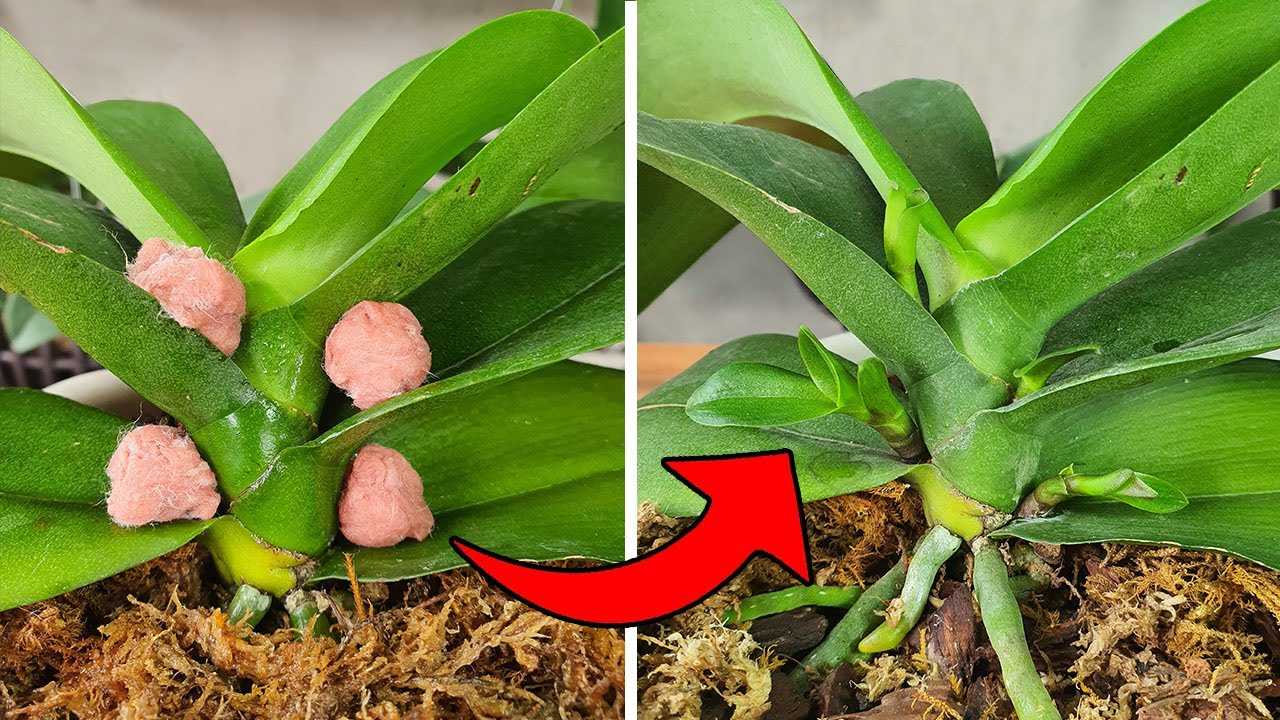
Keikis are small plantlets that grow from the nodes of the flower spike. They are essentially clones of the parent plant, making this method rewarding for beginners. Keikis can be potted once they develop a few roots, ensuring a successful transplant.
Materials You Need
Preparing for propagation requires gathering the right materials. Below is a list of essential items to have on hand:
- Healthy Phalaenopsis orchids for propagation
- Sharp sterilized scissors or pruning shears
- Moist sphagnum moss or orchid mix
- Plastic pots with drainage holes
- Watering can with a gentle spout
Next, make sure to create a suitable environment for your new orchids. Proper humidity and light play a pivotal role in their development.
Effective Propagation Techniques
With the right understanding and materials, you can now explore effective techniques to propagate your Phalaenopsis orchids.
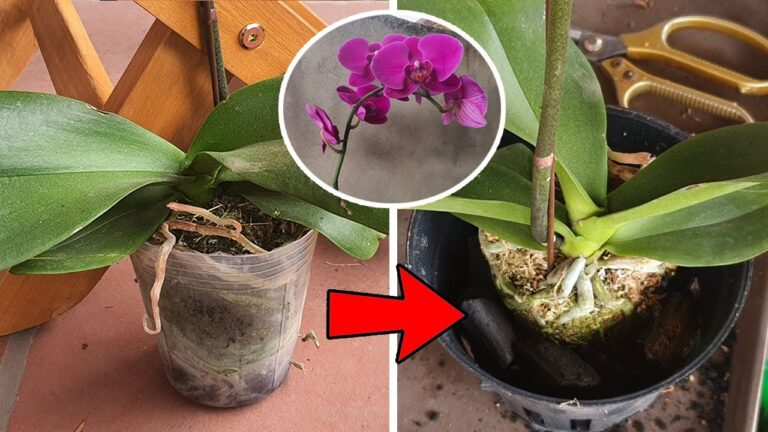
1. Step-by-Step Division
- Remove the orchid from its pot carefully to minimize root damage.
- Inspect the roots and foliage for signs of health; discard any unhealthy parts.
- Separate the plant into sections, ensuring that each has roots and at least two leaves.
- Replant each section in a new pot with fresh orchid mix.
2. Keiki Development
- Monitor your parent orchid for keikis developing on the flower spike.
- Once the keiki develops at least two roots, carefully cut it away from the parent.
- Plant the keiki in a separate pot and mist regularly to maintain humidity.
Common Mistakes to Avoid
While propagating Phalaenopsis orchids can be rewarding, there are common pitfalls that many encounter. Here are some mistakes to watch out for:
- Overwatering: Orchids thrive in well-drained conditions. Too much water can cause root rot.
- Neglecting humidity: Failing to provide enough humidity can stress the new plants and hinder their growth.
- Improper timing: Attempting propagation during the wrong season can negatively impact success rates. Spring is typically the best time.
- Using non-sterilized tools: Always ensure that your tools are sterilized to prevent infections.
Frequently Asked Questions
How long does it take for a keiki to grow roots? Generally, it can take anywhere from a few weeks to several months, depending on the conditions provided.
Can I propagate an orchid that is not blooming? Yes, as long as it is healthy with roots and leaves, you can propagate it regardless of its blooming status.
What should I do if my new orchids wither? Check the moisture level and environment. Adjusting humidity and light may help your orchids recover.
Conclusion
Propagating Phalaenopsis orchids can be a fulfilling endeavor, enriching your gardening experience. By avoiding common mistakes and following effective techniques, you can enjoy watching your collection thrive. What tips have you found useful in your own gardening endeavors? Share your thoughts in the comments below!