Bokashi Composting: Quick Tips to Create Nutrient-Rich Fertilizer
“`html
Bokashi Composting: Quick Tips to Create Nutrient-Rich Fertilizer
If you’ve been gardening for a while, you understand the tremendous benefits of compost. However, even the most efficient compost bins can’t break down all your food scraps. This is where a bokashi bucket system comes in, allowing you to expand the range of scraps you can compost at home while speeding up decomposition. Let’s dive into everything you need to know about this unique composting method.
What is Bokashi?
Bokashi is a Japanese term meaning ‘fermented organic matter.’ Unlike traditional composting, bokashi works by fermenting food waste. This crucial difference allows you to add scraps to your garden or compost pile, where they will decompose more efficiently.
In a bokashi system, compostable materials are placed in an airtight container and layered with a special inoculant, usually a carbon-rich substrate mixed with molasses and effective microorganisms. Common substrates include wheat bran or sawdust, often referred to as ‘bokashi bran.’
Developed by Professor Dr. Teuro Higa in the early 1980s, the bokashi method has gained popularity among home gardeners worldwide. In this anaerobic process, materials ferment in closed containers, distinguishing it from traditional aerobic composting methods.
The Benefits of the Bokashi Method
- Space-efficient: A bokashi bucket occupies minimal space, making it ideal for urban dwellers.
- Speed: Bokashi can transform organic matter into a nutrient-rich substance in about ten days.
- Nutrient-rich output: The substance created is richer in nutrients compared to traditional compost, along with a liquid runoff that serves as a potent fertilizer.
- Versatility: Bokashi allows for the composting of materials not suitable for other systems, such as meat and dairy.
- Environmental impact: By composting more food scraps at home, you significantly reduce landfill waste, helping to combat methane emissions.
The Cons of the Bokashi Method
It’s essential to note that the product of a bokashi system is not compost but a fermented substance that should be buried or added to another compost system for further decomposition. Other considerations include:
- You need to reapply the inoculant during the process.
- A sealed bucket with a drainage system is required.
- The initial investment may be higher compared to simpler methods.
However, many gardeners find the long-term benefits of bokashi composting worth the effort.
Setting Up Your Bokashi System
To get started with bokashi composting, you will need:
- A bucket or airtight container with a lid (at least two for continuous composting).
- Bokashi bran or inoculant.
- Your kitchen scraps.
Choosing a Bokashi Bucket
When selecting a bokashi bucket, consider the following:
- A well-sealing lid to exclude oxygen.
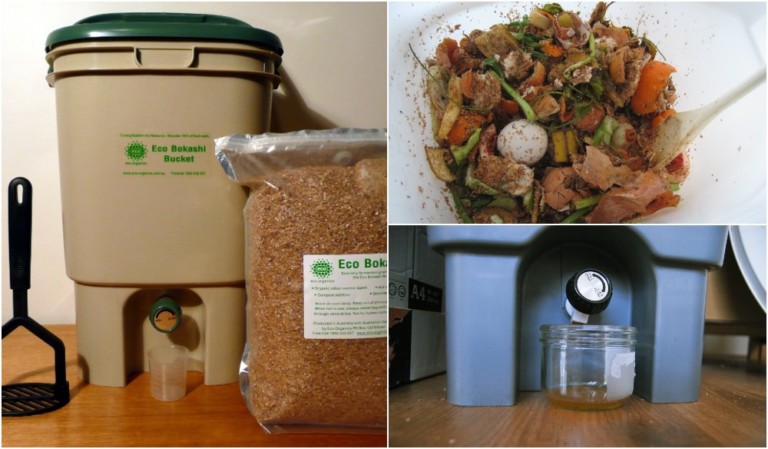
- A spigot or drainage system for excess liquid.
- A size appropriate for your household needs.
You can even create a DIY bokashi system using food-grade 5-gallon buckets.
Choosing Your Bokashi Bran
You have several choices for bokashi bran:
- Purchase ready-made options that are effective mix of substrate, molasses, and effective microorganisms.
- Make your own by combining substrate with EM-1 inoculant.
Consider using substrates like sawdust, shredded leaves, or even wheat bran from animal feed stores.
Getting Started With Your Bokashi System
Regardless of whether you buy or make your bokashi activator, the process involves:
- Adding kitchen scraps to your bucket.
- Sprinkling bokashi bran over the top.
To minimize air pockets, compress the materials using a flat object before sealing. As each bucket fills, draw off the liquid every few days to use as plant feed.
What to Add to Your Bokashi Buckets
You can add nitrogen-rich kitchen scraps, including:
- Fruit and vegetable peels
- Meat and fish
- Dairy products
What Not to Add to Your Bokashi Buckets
Avoid adding:
- Meat bones
- Oils
- Excessive liquid
- Inorganic or non-compostable materials
What To Do With Your Finished Ferment
Unlike traditional compost, the substance from your bokashi system decomposes in the soil within about two weeks in summer and a month in winter. You can:
- Bury the fermented waste in your garden.
- Add it to a vermicomposting system for faster breakdown.
- Utilize the final composted material in your vegetable patch.
Bokashi systems offer a fantastic solution for gardeners looking to improve their composting practices. Are you ready to give it a try at home?
“`