Revive Weak Plants: 5 Simple Tricks You Didn’t Know About!
Revive Weak Plants: 5 Simple Tricks You Didn’t Know About
- Understanding the Issues
- Practical Tricks to Strengthen Your Plants
- Natural Remedies for Plant Health
- Mistakes to Avoid When Caring for Plants
- Frequently Asked Questions
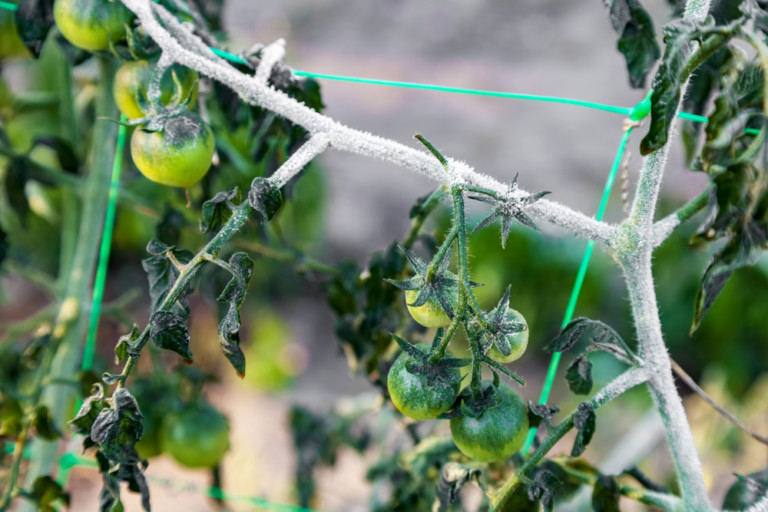
Have you noticed your beloved plants looking a little under the weather? Perhaps their leaves are wilting or turning yellow, which can be disheartening for any plant enthusiast. It’s often frustrating to watch your plants struggle, especially after you’ve spent so much time and effort caring for them. But don’t lose hope just yet; exploring new strategies can lead to a vibrant revival. Let’s delve into some effective tricks to breathe life back into those weak plants.
Understanding the Issues
Before you can effectively revive your plants, it’s crucial to identify the possible causes of their decline. Here are several common issues you might encounter:
1. Overwatering or Underwatering
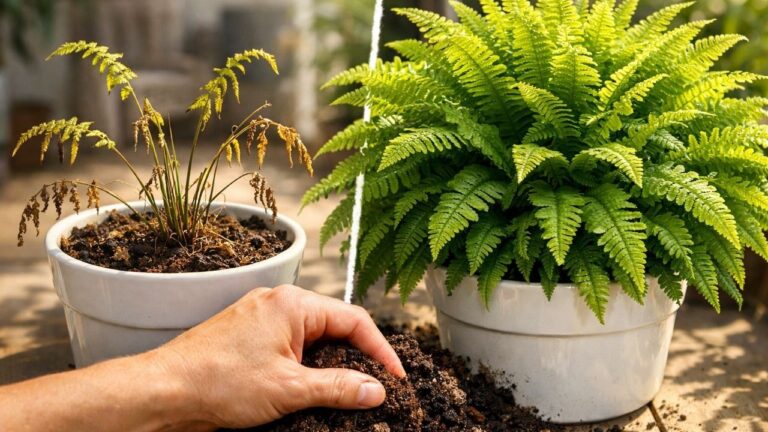
Both excessive and insufficient watering can harm your plants. When you overwater, roots can rot, while underwatering leads to dehydration. Pay attention to the soil; it should be moist but not soggy.
2. Poor Soil Quality
Plants need nutrient-rich soil to thrive. If the soil lacks essential nutrients, it can affect growth. Consider performing a soil test to check pH levels and nutrient content.
3. Lack of Sunlight
Insufficient light can cause stunted growth and poor health. Ensure your plants are positioned in an area that receives the appropriate amount of light for their specific needs.
Practical Tricks to Strengthen Your Plants
Now that you understand some common issues, let’s explore some tricks to help revive your weak plants.
1. Adjusting Watering Habits
- Check the soil moisture with your finger. If it feels dry an inch below the surface, it’s time to water.
- Water your plants thoroughly, allowing excess to drain out of the pot.
- Monitor your watering schedule regularly and adjust based on the season and plant needs.
2. Enhancing Soil Quality
Improving the soil can be a game changer for your plants. Here’s how:
- Add organic matter such as compost or well-rotted manure to enrich the soil.
- Mix in slow-release fertilizers to provide a continuous supply of nutrients.
- Consider using mulch to retain moisture and suppress weeds.
3. Relocating for Optimal Light
Light can make all the difference in plant health. Follow these tips:
- Evaluate the lighting conditions for each plant. Are they getting direct sunlight or shade?
- Move your plants closer to windows or outdoors if they need more natural light.
- Rotate pots regularly to ensure even light exposure on all sides.
Natural Remedies for Plant Health
Sometimes, a little extra care can help jumpstart recovery. Here are some natural remedies to consider:
1. Epsom Salt Treatment
Epsom salt can help address nutrient deficiencies. Here’s a simple method:
- Mix one tablespoon of Epsom salt in a gallon of water.
- Water your plants with this solution every four to six weeks.
- Observe improvements in leaf color and overall health.
2. Coffee Grounds Fertilizer
If you’re a coffee lover, don’t throw away those grounds! They can be beneficial:
- Sprinkle used coffee grounds around the base of your plants.
- Mix them into the soil to increase acidity for acid-loving plants.
- Compost coffee grounds with other organic waste to create nutrient-rich compost.
3. DIY Pest Repellent
Pests can also weaken your plants. Consider using a homemade pest repellent:
- Combine water with a few drops of dish soap in a spray bottle.
- Spray the solution on affected leaves to deter pests.
- Repeat every couple of weeks or after heavy rain.
Mistakes to Avoid When Caring for Plants
Caring for your plants can be rewarding, but it’s essential to avoid common pitfalls.
1. Ignoring Water Needs
Plants have specific watering needs. Ignoring these can lead to overwatering or underwatering.
2. Using the Wrong Soil
Not all plants thrive in the same soil. Using inappropriate soil can stunt growth or lead to health issues.
3. Neglecting pests and diseases
Failing to address pest problems can lead to more significant issues. Inspect your plants regularly for any signs of distress.
4. Over-fertilizing
Applying too much fertilizer can damage roots and hinder growth. Make sure to follow recommended guidelines.
5. Sticking to a Rigid Routine
Every plant is unique and might require different care as seasons change. Be flexible and responsive to their needs.
Frequently Asked Questions
What are the signs of a dying plant? Yellowing leaves, wilting, and stunted growth can indicate a dying plant.
How often should I water my plants? Watering frequency depends on the plant type, season, and environment, so check the soil moisture regularly.
Can I revive a plant with brown leaves? Yes, trimming brown leaves can help, but it’s essential to address the underlying issue first.
Reviving weak plants involves identifying the root problems and applying practical strategies. Start making these small adjustments to see your plants flourish. What specific challenges have you faced with your plants? Feel free to share your experiences in the comments!