13 Proven Tips to Shield Your Tomato Plants from Frost and Cold
“`html
13 Proven Tips to Shield Your Tomato Plants from Frost and Cold
Gardening enthusiasts know that keeping an eye on the weather is essential, especially in regions with distinct seasons. Sudden temperature drops in late spring or early autumn can be detrimental to your tomato plants, which thrive in warm conditions. Here are 13 effective tips to help protect your tomato plants from frost and cold.
Understanding Tomato Sensitivity to Cold
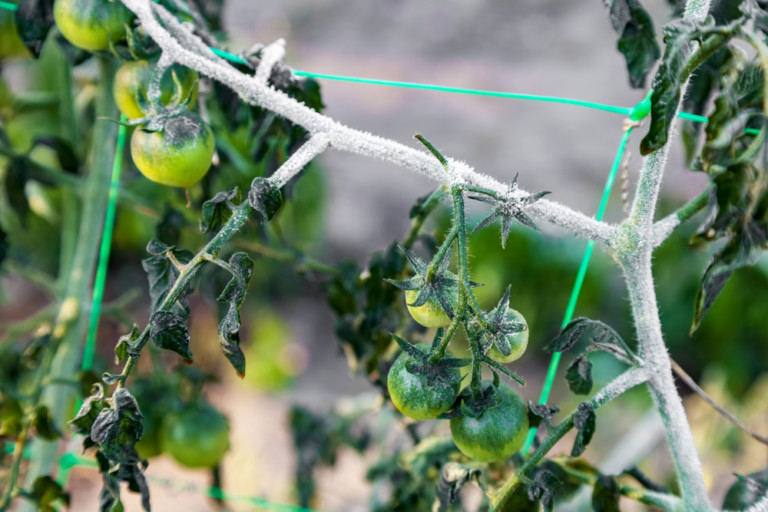
Tomatoes, like other warm-season vegetables, are particularly sensitive to frost. Even temperatures that don’t reach freezing can still harm these plants, affecting growth, flowering, and fruiting. For optimal health, tomatoes thrive when temperatures are between 65°F to 80°F (18.5°C to 26.5°C).
Temperatures below 55°F (13°C) can cause malformation of fruit, while prolonged exposure to sub-50°F (10°C) conditions can stunt growth and increase disease susceptibility. Therefore, protecting your young tomato plants during the growing season is crucial.
Protecting Young Tomato Seedlings from Late Spring Frost
1. Garden Cloches
Garden cloches are essential when frost threatens your young tomato plants. These plastic or glass domes provide protection; simply cover your plants at dusk and remove them in the morning. For those on a budget, you can use rigid containers like buckets and pots as makeshift cloches.
2. Wall O Water
Wall O Water devices help protect young plants by encasing them in water-filled tubes made of flexible plastic. These can keep temperatures above freezing and allow you to transplant your seedlings up to six weeks earlier. Remember to keep the water topped up!
3. Mini Hoop House Kit
A mini hoop house kit can cover multiple seedlings at once. This kit includes hoops and a fitted fleece tunnel, keeping your plants warm on chilly evenings. It’s adjustable for various row lengths and is easy to store after the growing season.
Protecting Mature Tomato Plants from Early Fall Frost
Mature tomato plants also require protection as they continue to produce fruit. The ideal temperature range for ripening tomatoes is between 68°F to 77°F (20°C to 25°C). Below 50°F (10°C) can halt the ripening process.
4. Harvesting Immature Tomatoes
If frost threatens your crop, it’s best to protect what you can by harvesting nearly ripe tomatoes. Store them in a cardboard box covered with newspaper at around 70°F (21°C) for about two weeks to ripen.
5. Use Floating Row Covers on Large Plants
As your tomato plants grow large, cover them with floating row covers on chilly nights. Create a tent-like structure using stakes and drape frost cloths or blankets over them. Secure the edges to keep warmth trapped inside.
6. Add a Plastic Tarp
For extra insulation, place a plastic sheet atop the fabric covers. Ensure it doesn’t touch the foliage to prevent freeze damage.
7. Add a Space Blanket
Utilize space blankets for added insulation. These mylar blankets reflect heat back to the plants and can significantly enhance protection.
8. Provide Heat with Water Jugs
Place filled water jugs next to your plants. These will absorb heat during the day and release it at night, keeping your tomatoes warm.
9. Set Up Some Christmas Lights
Using old incandescent Christmas lights can raise the temperature under frost covers by several degrees. Ensure the lights do not touch any foliage.
10. Water in the Afternoon
Water your tomato plants in the afternoon before expected cold weather. Moist soil retains heat and helps keep plants warm overnight.
11. Apply a Thick Layer of Mulch
Applying a thick layer of mulch (about 6 inches) around your plants can provide insulation. Just leave an inch or so of soil exposed around each plant’s stalk.
Planning for Frost
12. Build a Greenhouse
A greenhouse can significantly extend your growing season. With various DIY options available, you can create an effective structure for your plants.
13. Grow Tomatoes for Cold Climates
Consider planting early-maturing tomato varieties like Siberia or Glacier, which can tolerate cooler temperatures and mature faster.
Conclusion
By implementing these tips, you can safeguard your tomato plants from frost and ensure a bountiful harvest. Whether through protective covers, careful watering, or selecting the right varieties, taking proactive measures will greatly enhance your gardening success.
“`