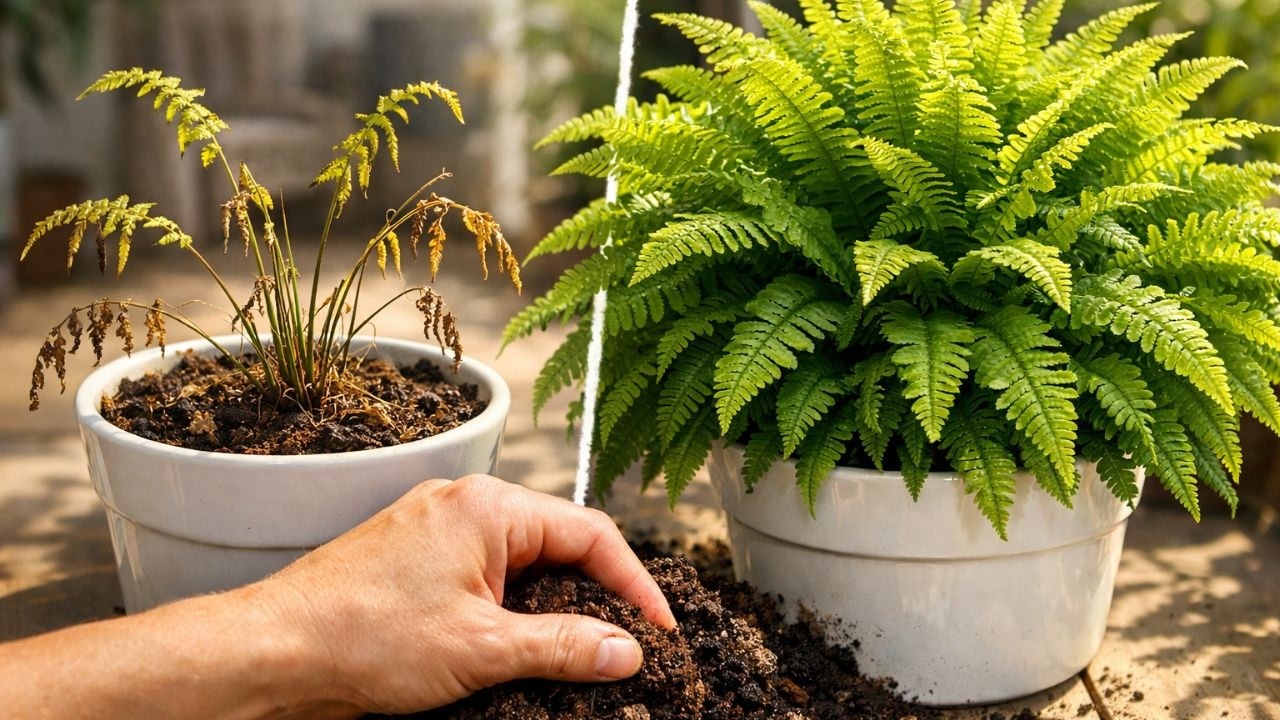
5 Secrets to Make Your Fern Thrive Like Never Before!
5 Secrets to Make Your Fern Thrive Like Never Before
- Introduction
- Ideal Growing Conditions for Ferns
- Effective Watering Techniques
- Fertilizing Tips for Healthy Ferns
- Common Mistakes to Avoid with Ferns
- FAQ
Introduction
Many gardeners find themselves frustrated when their ferns don’t flourish as expected. Instead of lush green fronds, you may notice wilting, browning, or stunted growth. This can leave you wondering what changes are necessary to bring your plant back to life. Understanding the needs of ferns is essential for nurturing them successfully. Let’s explore some effective strategies to help your ferns thrive and become the stunning centerpiece of your indoor or outdoor garden.
Ideal Growing Conditions for Ferns
Creating the right environment is crucial for your fern’s health. These plants thrive in certain conditions that mimic their natural habitat.
1. Light Requirements
Ferns prefer indirect light as direct sunlight can scorch their leaves. Place them in areas with filtered light or partial shade to maintain their vibrant green color.
2. Temperature and Humidity
These plants generally enjoy mild temperatures between 60°F and 70°F. Additionally, high humidity is vital. You can increase humidity by:
- Using a humidifier in the room.
- Grouping plants together to create a microclimate.
- Placing a pebble tray filled with water beneath the pot.
3. Soil Type
Ferns do well in well-draining, organic soil rich in humus. Consider using a potting mix designed for tropical plants, or create your own by mixing potting soil with peat moss and perlite.
Effective Watering Techniques
Watering your ferns correctly can significantly impact their growth and overall health.
1. Understand Your Fern’s Needs
The frequency and amount of water depends on the type of fern and its environment. A general rule is to keep the soil moist but not soggy. Stick your finger into the soil; if the top inch is dry, it’s time to water.
2. Water Quality
Use room temperature water to avoid shocking the plant. Rainwater or distilled water is preferable as tap water may contain chemicals that could harm the fern.
3. Draining Techniques
Ensure your pots have drainage holes to prevent overwatering. Consider using a self-watering pot if you’re prone to forgetting to water your plants.
Fertilizing Tips for Healthy Ferns
Providing your ferns with the right nutrients can help them flourish more vibrantly.
1. Choosing the Right Fertilizer
Use a balanced, water-soluble fertilizer diluted to half-strength during the growing season (spring and summer). Look for options specifically formulated for ferns or foliage plants.
2. Timing of Fertilization
Fertilize every 4 to 6 weeks during the growing season. Reduce or stop fertilizing in the fall and winter when ferns enter a dormant phase.
3. Application Methods
Apply the fertilizer evenly around the base of the plant, avoiding direct contact with the leaves. Water the fern afterward to help distribute the nutrients throughout the soil.
Common Mistakes to Avoid with Ferns
Even experienced gardeners can make mistakes that hinder fern growth. Here are some common pitfalls to watch out for.
1. Overwatering or Underwatering
Striking the right balance can be tricky. Overwatering leads to root rot, while underwatering causes leaves to wilt. Pay attention to your fern’s specific requirements.
2. Ignoring Humidity Levels
Ferns are sensitive to dry air, especially in winter months. Neglecting humidity can lead to fraying leaves. Regular misting or using a humidity tray can help.
3. Using Poor Quality Soil
Utilizing heavy or poor draining soil can suffocate your fern’s roots. Always opt for a light, organic mix that allows for proper drainage and aeration.
FAQ
How often should I water my fern?
Water your fern when the top inch of soil feels dry, which usually requires watering once a week or less, depending on environmental conditions.
Can I keep my fern outside?
Ferns can thrive outdoors but should be protected from harsh sunlight and extreme temperatures, ideally placed in shaded or partially shady spots.
What should I do if my fern’s leaves are turning brown?
Browning leaves can be a sign of underwatering or low humidity. Check your watering schedule and consider increasing the humidity around your plant.
Conclusion
By understanding the specific needs of your ferns and avoiding common mistakes, you can foster a thriving environment for these beautiful plants. What tips do you find most helpful for keeping your fern healthy? Feel free to share your experiences in the comments!