
Learn 5 Secrets to Rooting Any Plant Cuttings for Free!
Secrets to Rooting Any Plant Cuttings for Free
- Introduction
- Understanding Plant Rooting
- Preparation Techniques for Cuttings
- Care for Your Cuttings
- Common Mistakes to Avoid
- FAQ
- Conclusion
Introduction
Perhaps you’ve admired a friend’s houseplant only to realize that you can propagate it from cuttings, or maybe you want to bring new life to your own garden without spending a dime. The process of rooting plant cuttings might seem daunting, but it can be a rewarding journey. With the right knowledge and method, you can transform simple cuttings into thriving plants. Keep reading to discover how to master this essential gardening skill.
Understanding Plant Rooting
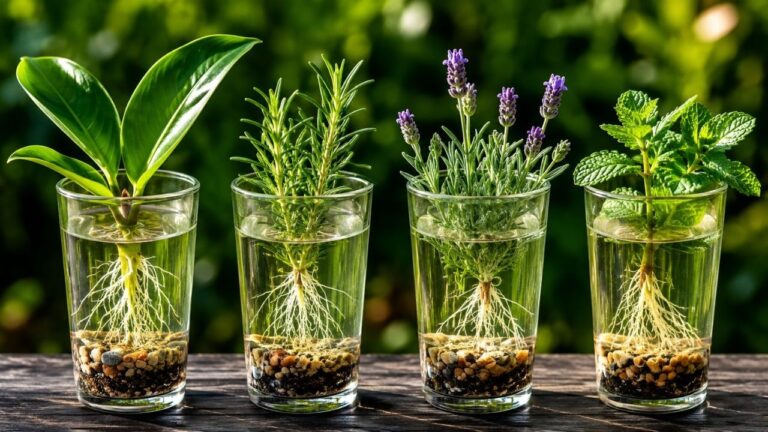
Before diving into the practicalities, it’s vital to understand what rooting is and how it works. When you cut a stem from a plant and place it in soil or water, the cutting can develop roots, leading to a new plant. Here’s what you need to know:
Why Rooting Works
Plants have a natural ability to reproduce. Certain species are especially resilient and can root easily from cuttings. Understanding these plants can help maximize your success rate.
Types of Cuttings
There are different types of cuttings you can use for propagation:
- Stem cuttings: These are taken from a stem, usually with a few leaves attached.
- Leaf cuttings: A single leaf or a part of it can also propagate in some plants.
- Root cuttings: These pieces of roots can sprout new growth.
Choosing the Right Plants
Not all plants are equally suitable for rooting plant cuttings. Some ideal candidates include:
- Mint
- Succulents
- Philodendron
Preparation Techniques for Cuttings
Once you’ve selected your plants, the right preparation is crucial for a successful rooting process. Here are the steps to take:
Materials You’ll Need
Gather these materials before you start:
- Sharp scissors or pruning shears
- Small pots or containers
- Potting mix or water
Taking the Cuttings
- Select a healthy stem or leaf from the parent plant.
- Cut just below a node where leaves emerge.
- Remove any lower leaves to prevent rot.
Methods to Root Your Cuttings
You can root your cuttings using one of two primary methods: soil or water. Here’s a quick comparison:
- Water Method: Place the cuttings in a clean container with water, changing it regularly.
- Soil Method: Plant the cuttings in potting mix, ensuring it remains consistently moist.
Care for Your Cuttings
Caring for your cuttings after planting is essential to their success. Here are some tips:
Environmental Conditions
Your cuttings will thrive best in warm, humid conditions. Consider covering them with a plastic bag or placing them in a greenhouse for a humidity boost.
Watering and Nutrition
Be mindful not to overwater. Check the moisture content regularly and only water when necessary. Once roots form, you can introduce a diluted liquid fertilizer to encourage growth.
Signs of Successful Rooting
Be patient. In a few weeks, watch for signs of new growth or roots. Your cuttings may start showing new leaves, indicating they’re adapting well.
Common Mistakes to Avoid
Even seasoned gardeners can make mistakes when rooting plant cuttings. Here are common pitfalls to be aware of:
- Choosing the wrong time to take cuttings, such as during extreme weather.
- Using cutting tools that are not clean, leading to infections.
- Neglecting to check moisture levels, resulting in rot or dehydration.
FAQ
What types of plants can I propagate from cuttings?
You can propagate various plants from cuttings, including herbs like basil and mint, ornamental plants such as philodendrons, and even some vegetable plants like tomatoes.
How long does it take for cuttings to root?
The rooting process can take anywhere from a few weeks to a few months, depending on the plant type and environmental conditions.
Can I root cuttings in water instead of soil?
Yes, many plants can successfully root in water. However, transferring them to soil once roots develop is often necessary for long-term growth.
Conclusion
Rooting plant cuttings can be an enjoyable and rewarding experience. With the right knowledge and techniques, you can create new plants from your favorites without breaking the bank. What plants are you thinking about propagating next? Share in the comments below!