5 Simple Tips for Growing High-Yield Multi-Fruited Cucumbers at Home
5 Simple Tips for Growing High-Yield Multi-Fruited Cucumbers at Home
- Introduction
- Understanding Cucumbers for Effective Growth
- Preparing the Sowing Area for Cucumbers
- Nurturing Your Cucumbers for Maximum Yield
- Common Mistakes to Avoid When Growing Cucumbers
- FAQ
- Conclusion
Introduction
Picture your garden flourishing with vibrant, green cucumber plants, adorned with countless fruits. You might dream of harvesting fresh, crisp cucumbers just a few steps from your kitchen. However, knowing how to cultivate high-yield, multi-fruited cucumbers can be daunting. Fortunately, by following a few essential tips, you can transform your gardening experience and enjoy a bountiful harvest. Read on to discover how to achieve this rewarding goal.
Understanding Cucumbers for Effective Growth
Cucumbers are a popular and refreshing addition to any garden. To grow them successfully, it’s important to understand their growing needs.
Varieties of Cucumbers
- Choose between slicing cucumbers and pickling varieties based on your preference.
- Pick multi-fruited hybrids that are known for higher yields.
Growing Conditions
Cucumbers thrive in warm weather and well-draining soil. Aim for full sunlight for at least six hours each day to promote healthy growth.
Preparing the Sowing Area for Cucumbers
Proper preparation of your planting area sets the foundation for successful cucumber growth.
Soil Preparation
- Test the soil pH; cucumbers prefer slightly acidic to neutral soil (pH 6.0 to 7.0).
- Add organic compost to enrich the soil with nutrients.
- Ensure the soil is loose and well-aerated for optimal root development.
Planting Guidelines
- Space your seeds or seedlings about 12 to 18 inches apart for adequate airflow.
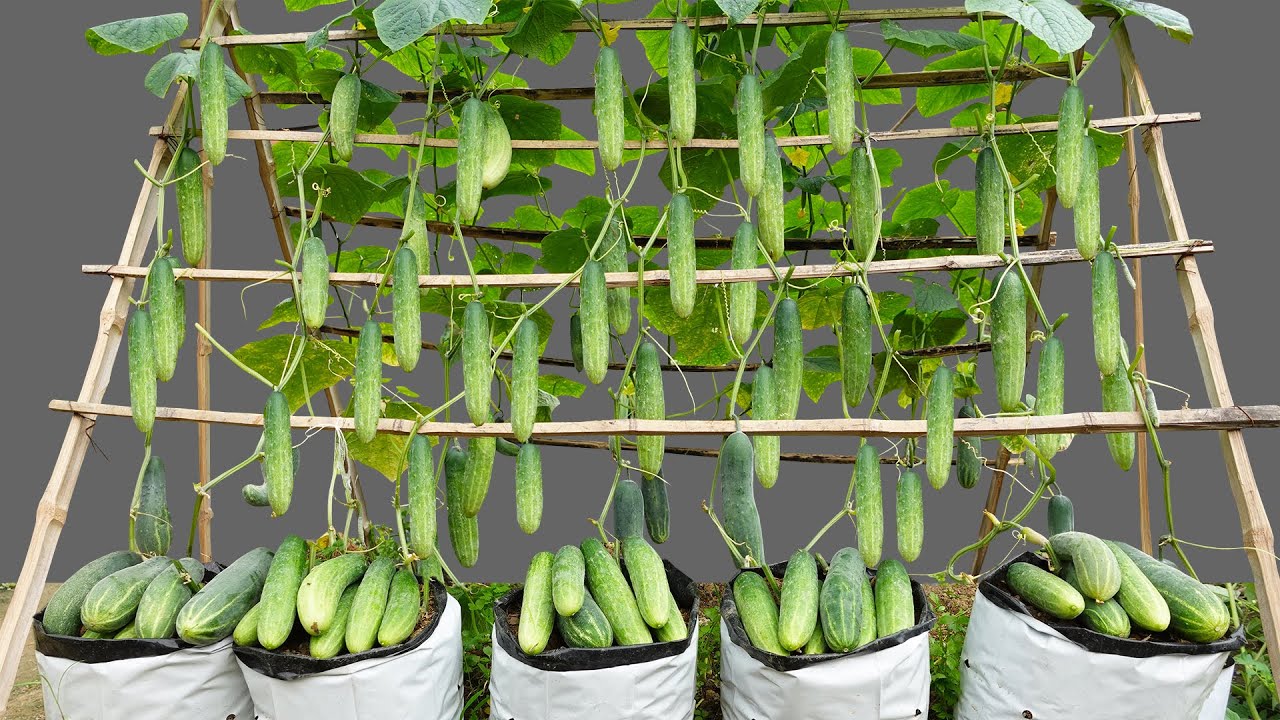
- Provide a trellis or support for climbing varieties to encourage vertical growth and save space.
Nurturing Your Cucumbers for Maximum Yield
Once your cucumbers are planted, nurturing them properly will enhance their growth and fruit production.
Watering Techniques
- Water deeply once a week to encourage strong root systems.
- Avoid overhead watering to reduce disease risk; instead, water at the base of the plants.
Fertilization Tips
- Feed your cucumbers with a balanced fertilizer every few weeks during the growing season.
- Opt for organic options like fish emulsion or compost tea to promote healthier growth.
Common Mistakes to Avoid When Growing Cucumbers
Even seasoned gardeners can make errors that impact cucumber yield. Here are common pitfalls to avoid:
- Overwatering can lead to root rot, so ensure your soil has proper drainage.
- Neglecting pest control can damage your plants; regularly check for cucumber beetles and aphids.
- Applying too much fertilizer may cause excessive leaf growth at the expense of fruit.
FAQ
How often should I water my cucumber plants?
Water cucumbers deeply about once a week, ensuring the soil is moist but not soggy.
What is the best fertilizer for cucumbers?
A balanced, organic fertilizer works best for cucumbers, promoting healthy growth and fruit production.
When should I harvest cucumbers for the best flavor?
Cucumbers are best harvested when they are firm and bright green, approximately 6-8 inches long, for optimal flavor.
Conclusion
Growing high-yield multi-fruited cucumbers at home is achievable with the right knowledge and care. By understanding their needs and avoiding common mistakes, you can enjoy a plentiful harvest. What techniques have you found to work best in your cucumber garden?