5 Easy Tips to Grow Tomatoes Without a Garden
5 Easy Tips to Grow Tomatoes Without a Garden
- Introduction
- Choosing the Right Containers
- Soil Matters
- Watering Tips for Success
- Common Mistakes to Avoid
- FAQ
- Conclusion
Introduction
Many people love the idea of homegrown tomatoes, yet not everyone has access to a garden. Whether you live in an apartment with limited outdoor space or simply don’t have a traditional garden plot, growing your own tomatoes is still within reach. Picture yourself enjoying fresh, juicy tomatoes right from your own balcony or patio. The challenge is finding the right approach to ensure your tomatoes thrive. Read on to discover some easy tips that will help you successfully grow tomatoes without a traditional garden.
Choosing the Right Containers
Your choice of container is essential for growing tomatoes successfully in limited spaces. Not all containers are created equal, and understanding their benefits can make a significant difference.
1. Select the Appropriate Size
For healthy tomato plants, choose containers that are at least 5 gallons. This allows enough room for the roots to grow. Here are some options:
- Plastic pots: Lightweight and easy to manage.
- Fabric pots: Excellent drainage with breathable material.
- Wooden crates: Adds a rustic touch and can hold more soil.
2. Ensure Proper Drainage
Good drainage is crucial to prevent root rot. Make sure the container has holes at the bottom. If you’re using a non-draining container, consider adding pebbles at the base to enhance drainage.
3. Experiment with Vertical Gardening
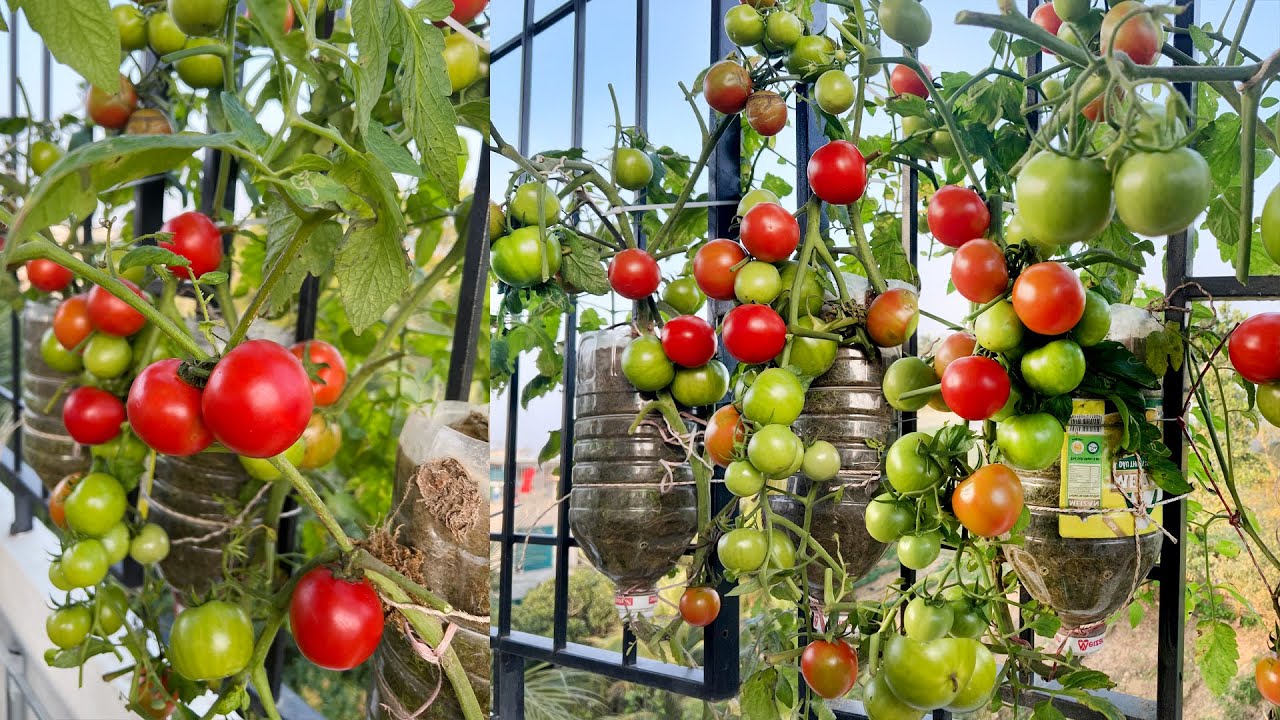
If space is particularly tight, consider vertical gardening. You can use trellises or even DIY setups to allow tomato plants to grow upwards, freeing up floor space.
Soil Matters
The right soil can dramatically improve your tomato plants’ health and productivity. The soil’s composition and quality are critical aspects to keep in mind.
1. Select Quality Potting Mix
Opt for a high-quality potting mix that includes organic material. This type of soil will provide the necessary nutrients and facilitate better drainage. Look for mixes labeled for vegetables.
2. Enrich with Compost
Incorporating compost into your soil can supply essential nutrients. Add about 20% compost to your potting mix to boost its fertility and enhance water retention.
3. Adjust pH Levels
Tomatoes prefer slightly acidic soil, ideally with a pH of around 6 to 6.8. You can test your soil’s pH with a simple kit from a garden store and amend it if necessary.
Watering Tips for Success
Watering is another critical component for growing tomatoes in containers. Here are some effective strategies for keeping your plants hydrated.
1. Consistent Watering Schedule
Tomatoes thrive with consistent moisture. Water your plants deeply about 2-3 times a week, depending on your climate. Ensure that water reaches the roots by allowing it to saturate the soil.
2. Monitor Moisture Levels
Check the top inch of soil; if it feels dry, it’s time to water. Using your finger is a simple way to measure moisture levels.
3. Consider Self-Watering Containers
If you’re often busy or forgetful, self-watering containers can be a great solution. They reduce the frequency of watering and help maintain consistent moisture levels.
Common Mistakes to Avoid
1. Overcrowding
Many people plant too many seedlings in a single container, leading to competition for nutrients and space. Always follow spacing guidelines to ensure healthy growth.
2. Wilting Due to Underwatering
It’s easy to forget about container plants, especially when they require regular watering. Ensure you maintain a consistent watering schedule to prevent wilting.
3. Neglecting Fertilization
Container-grown tomatoes need regular feeding. Failing to fertilize can stunt growth and reduce fruit yield. Use a balanced, water-soluble fertilizer every few weeks.
FAQ
Can I grow tomatoes indoors?
Yes, tomatoes can be grown indoors, especially small varieties such as cherry tomatoes. Ensure they receive plenty of sunlight or use grow lights.
How much sunlight do tomatoes need?
Tomatoes require at least 6-8 hours of direct sunlight each day for optimal growth. Position them in a sunny spot or consider rotating them for even exposure.
What tomato varieties are best for containers?
Dwarf or determinate tomato varieties, such as patio or cherry tomatoes, are ideal for containers due to their size and growth habit.
Conclusion
Growing tomatoes without a traditional garden is completely achievable with the right containers, soil, and care. By avoiding common mistakes, you can enjoy the satisfaction of homegrown tomatoes. What are your favorite tips for container gardening? Share your thoughts in the comments below!