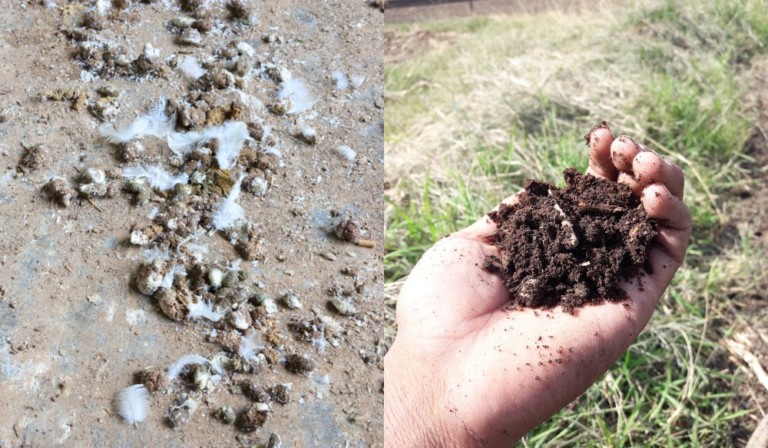
Composting Chicken Manure: Unlock Garden Secrets for Rich Soil
Composting Chicken Manure: Unlock Garden Secrets for Rich Soil
Keeping chickens on your homestead offers more than just eggs and meat. These incredible birds contribute to your garden’s health by incorporating organic matter, controlling pests, and recycling nutrients through their manure. Chicken manure is a valuable soil amendment that can significantly enhance your garden’s fertility.
The Value of Chicken Manure
For those who maintain a flock, chicken manure is a readily available and cost-free resource. However, it’s important to properly age or compost this manure before applying it to your garden to reap the full benefits.
Properties of Chicken Manure
Chicken manure is an excellent source of nitrogen—the key nutrient essential for plant growth. It also provides phosphorus, potassium, and trace amounts of other nutrients such as calcium. The effectiveness of chicken manure as a fertilizer is often expressed through its NPK ratio, which indicates the levels of nitrogen, phosphorus, and potassium in the material.
While fresh chicken manure can vary greatly in its NPK values depending on the chickens’ diet and living conditions, it generally contains higher nutrient concentrations compared to other livestock manures. However, unlike synthetic fertilizers, chicken manure enriches your soil and promotes a healthy ecosystem.
The Benefits of Using Chicken Manure
- Enhances soil fertility
- Improves soil structure and drainage
- Increases water retention in sandy soils
- Supports beneficial soil organisms
Chicken Manure Pellets
Commercially available chicken manure is often sold in dried, pelleted form, typically with an NPK ratio of 4-2-1. While these pellets are effective nitrogen-rich fertilizers, they may lack some of the beneficial properties of manure from chickens raised on your homestead.
Why Fresh Chicken Manure Isn’t Suitable for Direct Use
Directly applying fresh chicken manure in your vegetable garden carries several risks. It can contain harmful bacteria like salmonella, which poses a significant threat to human health. Always wear gloves when handling manure and wash your hands thoroughly to avoid contamination.
Additionally, fresh chicken manure is rich in nitrogen, which can “burn” your plants if it comes into direct contact with their roots, potentially harming or killing them. The smell of fresh manure is also quite strong, making it unsuitable for use near edible crops.
How to Compost Chicken Manure
Hot Composting
The quickest way to compost chicken manure is through hot composting. This method involves heating the manure to at least 130°F for a minimum of 15 days. The high temperatures kill pathogens and accelerate the decomposition process, making it safe for use.
Consider creating a hot bed for winter gardening by layering chicken manure with carbon-rich materials like straw. You can even incorporate water pipes in your compost pile to heat water for greenhouse heating during colder months.
Cold Composting
Alternatively, cold composting decomposes materials more gradually. In this method, allow the manure to compost for at least a year before using it in your garden. A deep litter bed can also serve as an effective cold composting method by mixing carbon and nitrogen-rich materials in your coop and allowing them to decompose in place.
Using Composted Chicken Manure in Your Garden
Once your chicken manure is fully composted, it can be applied similarly to any other compost. In no-dig gardening systems, spread the compost on the soil surface to allow microorganisms to integrate the nutrients into the soil naturally.
The optimal times to use chicken manure in the garden are in the spring and fall. In spring, top-dress garden beds before planting, and in fall, apply it after removing nitrogen-hungry crops to protect the soil over the winter.
Chicken Manure Liquid Fertilizer
You can also create a liquid fertilizer from your composted chicken manure. This method works by bubbling the compost in water, which provides a quick nutrient boost for leafy crops during the summer. In contrast to a slow-release top dressing, this liquid fertilizer delivers nutrients more rapidly.
Plants That Thrive on Chicken Manure
Plants with high nitrogen requirements, such as leafy vegetables and brassicas, will greatly benefit from chicken manure. While it improves many plants’ growth, avoid using it on acid-loving species like azaleas and blueberries due to its slightly alkaline pH.
Additionally, chicken manure can enrich forest gardens and fruit gardens. Chickens scratching beneath trees provide valuable nutrients over time, benefiting perennial plants that require more nitrogen.
Conclusion
When handled properly, chicken manure can be a transformative resource for your garden, making chickens a valuable addition to any homestead. By understanding how to compost and use this nutrient-rich material, you can unlock the secrets to creating rich, fertile soil for healthy, thriving plants.