1 Spoon Kills 5 Plant Pests: Cochinilla, Aphids, Ants, Caterpillars & More!
1 Spoon Kills 5 Plant Pests: Discover Effective Remedies
- Introduction
- Common Pests You May Encounter
- Natural Remedies for Pest Control
- Mistakes to Avoid in Pest Management
- Frequently Asked Questions
- Conclusion
Introduction
As a passionate gardener, you may have noticed that your beautiful plants are under attack from a variety of pests. From pesky aphids to garden ants, these invaders can wreak havoc on your cherished greens. It can be frustrating to watch these critters undermine your hard work. You might be searching for effective solutions that won’t harm your plants or the environment. In this guide, you’ll find practical remedies that utilize common household items and learn how to protect your plants naturally.
Common Pests You May Encounter
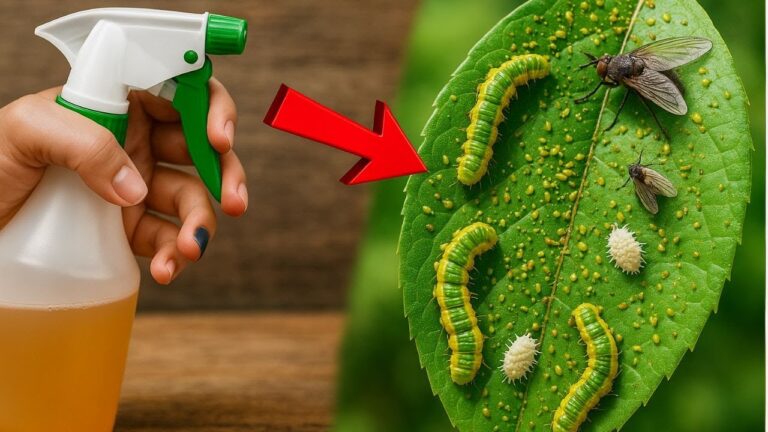
Understanding common plant pests is the first step in protecting your garden. Here are some of the usual suspects that often invade your greens:
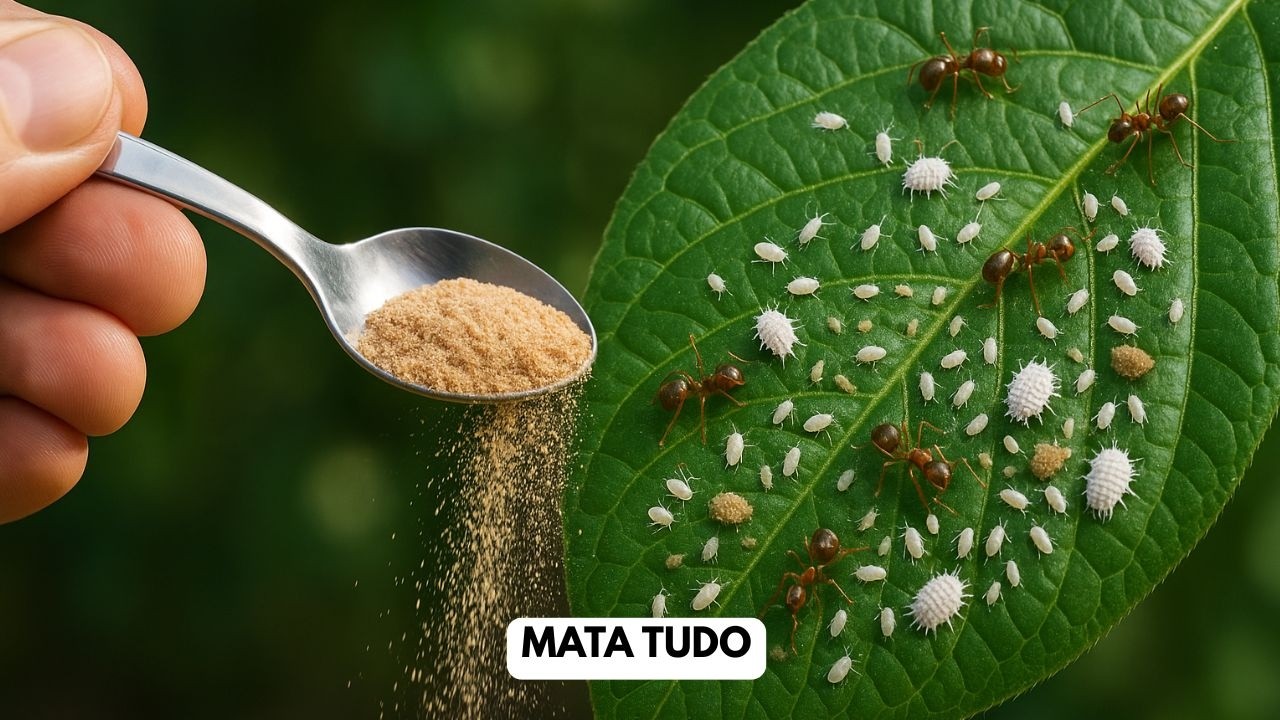
- Aphids: Tiny, soft-bodied insects that suck the sap from plants, leading to yellowing leaves.
- Cochinilla (Scale insects): Small, oval pests that adhere to plant stems and leaves, causing damage over time.
- Ants: While they don’t usually harm your plants directly, they protect aphids and other pests.
- Caterpillars: These voracious eaters can quickly defoliate your plants, leaving them bare.
Natural Remedies for Pest Control
Using natural remedies can help you manage these pests effectively while being gentle on the environment. Here are some remedies that might help:
1. Soap Solution
A simple soap solution can be effective against aphids and other soft-bodied insects. Follow these steps:
- Gather 1 tablespoon of liquid soap (like Castile soap) and mix it with 1 liter of water in a spray bottle.
- Spray the solution directly onto the affected areas of your plants, covering both tops and undersides of the leaves.
- Repeat every few days until the pests are gone.
2. Neem Oil
Neem oil is a natural pesticide that disrupts pest life cycles. It can be particularly effective against cochinilla and caterpillars.
- Mix 2 tablespoons of neem oil with 1 liter of water and a few drops of dish soap.
- Apply the mixture using a spray bottle, targeting the pests directly.
- Continue this treatment weekly to maintain its efficacy.
3. Garlic and Chili Spray
A strong-smelling mixture can deter various pests. It’s simple to make:
- Blend 1 bulb of garlic and 1 tablespoon of chili powder with 1 liter of water.
- Let it sit for 24 hours, then strain the mixture into a spray bottle.
- Spray this on the plants to keep pests at bay.
Mistakes to Avoid in Pest Management
Managing plant pests can be tricky. Here are some common mistakes to avoid:
- Not identifying the pest correctly before treatment.
- Overusing chemical-based pesticides, which can harm beneficial insects.
- Ignoring plant health, as unhealthy plants are more susceptible to pest infestations.
- Applying treatments during sunny days, which can cause leaf burn and reduce effectiveness.
Frequently Asked Questions
Q: How often should I apply natural pest remedies?
A: It’s best to apply natural remedies every 5-7 days or until you notice a reduction in pest activity.
Q: Can I combine different natural remedies?
A: Yes, you can combine remedies like neem oil and soap solution, but be cautious and test on a small area first.
Q: Is it safe to use these remedies on edible plants?
A: Yes, most natural remedies are safe for edible plants, but be sure to wash your produce before consuming.
Conclusion
Effectively managing pests in your garden can be accomplished using natural remedies that protect both your plants and the environment. By staying informed about common pests and implementing these strategies, you’ll keep your garden thriving. What natural pest control methods have you found effective in your garden? Share your experiences in the comments!