Elderberry Harvesting Tips and 12 Must-Try Recipes
Elderberry Harvesting Tips and 12 Must-Try Recipes
Elderberries are among my favorite attractions in the fall garden. The glossy black berries on their reddish-pink stems mark the season, creating a striking sight. Harvesting elderberries on our homestead is one of the month’s highlights, perfectly complementing our apple and other fall fruit harvests. We craft various jams and preserves, and our elderberry wine makes a delightful Christmas gift. Easy to grow and immensely useful, elderberries are a wonderful addition to any garden.
What Are Elderberries?
The clusters of elderberries come from the elder, Sambucus Nigra, a hardy shrub or small tree that can grow up to 20 feet wide and tall. This plant thrives in a variety of conditions, making it a resilient choice for your garden. Between March and November, the elder showcases beautiful champagne-white flowers, typically blooming from June to July. If allowed to remain on the tree, these flowers will transform into berries, ripening from August to October.
Why Grow Elderberries?
Elderberries are often found in the wild, but cultivating them in your garden can be rewarding. They adapt well to various conditions, thriving in cold climates and different soil types—from sandy to clay—and even tolerate fluctuating pH levels.
Everything Elder
The elder plant offers numerous benefits beyond its berries:
- Harvest flowers for cordials and champagnes.
- Use flowers to create lotions, oils, and ointments.
- Add elderflowers to your compost; roots enhance fermentation nearby.
- Rub crushed leaves on skin to repel insects.
- Make a natural spray for treating plant fungal infections with leaves.
- Create dyes from fruit, leaves, and bark.
- Utilize elderwood for crafting blowpipes, wands, and musical instruments.
Other Benefits of Growing Elders
Elderberries attract wildlife, providing food for various birds and mammals. Their resilience makes them excellent for re-establishing woodlands and as protective hedges against winds. They are particularly useful in coppicing systems, thriving even after being cut back to ground level.
The Benefits of Eating Elderberries
Elderberries are great for boosting immunity, especially during cold and flu seasons. Rich in vitamins A, B, and C, they also contain powerful antioxidants, including carotenoids and flavonoids.
How to Grow Elderberries
You can begin growing elderberries from seeds right after they ripen in the fall. Sow seeds in a cold frame for germination in early spring, as exposure to cold facilitates this process. Once seedlings are large enough, transplant them to their permanent locations in early summer.
A more straightforward method of propagation involves dividing suckers during dormancy between late fall and early spring. Flowers will be ready for harvest in summer, while berries will be available in the fall. For plant health, prune aggressively after harvesting.
How to Harvest Elderberries
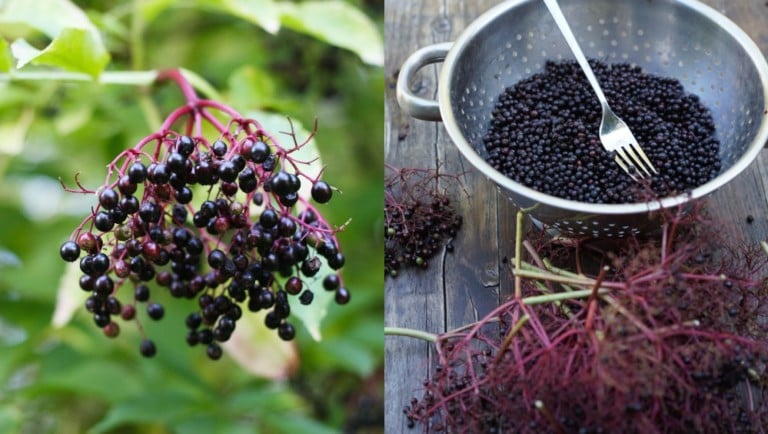
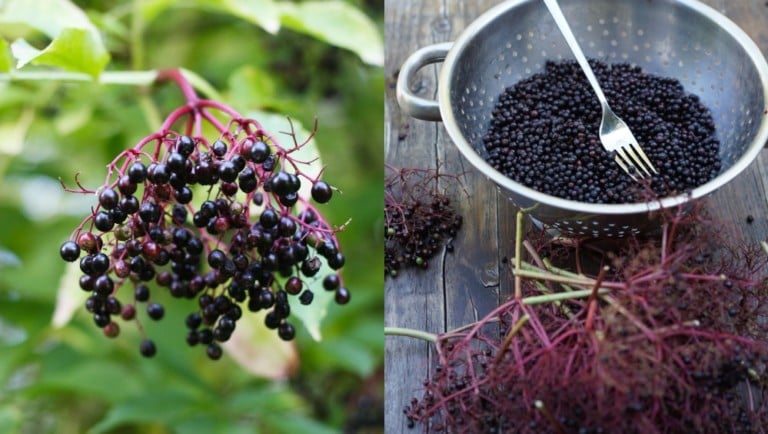
Elderberries are ready for harvest when dark and glossy. Remove any unripe or shriveled berries by pulling clusters or cutting them with scissors. To make separating berries from stems quicker, you can use the tines of a fork.
Be cautious: the leaves and bark are toxic and must not be eaten. Always cook elderberries before consumption and wash them thoroughly before use.
Preserving Elderberries
If you can’t use your berries immediately, consider these preservation methods:
- Freeze them.
- Dry them using an oven or dehydrator, or simply allow them to dry on a tray.
- Make preserves using one of the suggested recipes below.
What to Do with Elderberries
Elderberries have a variety of culinary uses. Here are some delicious options:
Elderberry Syrup
This immune-boosting syrup can be used on breakfasts or desserts. Consider using honey instead of sugar for a healthier version. Elderberry Syrup
Elderberry Cordial
Craft a refreshing, healthful drink using elderberries—again, using honey instead of sugar is recommended. Elderberry Cordial
Apple and Elderberry Jelly
Mix elderberries with apples for a delightful jelly—apple pectin helps it set. Apple and Elderberry Jelly
Elderberry Jam
Make a delicious jam that doesn’t require a strainer. Just remember to add lemon peel or apple pectin for proper setting. Easy Elderberry Jam
Elderberry Chutney
A sweet and savory chutney pairs excellently with cheese and can be enjoyed throughout winter. Elderberry Chutney
Elderberry Wine
If you have a significant harvest, consider making elderberry wine. It competes well with traditional grape wines. Elderberry Wine
Elderberry Pie
Use elderberry syrup over ground almonds for a delightful pie filling, or combine elderberries with other fall fruits. Elderberry Pie
Elderberry Crumble
Combine elderberries with blackberries and apple for a delightful crumble topped with oats or flour. Elderberry Crumble
Elderberry Muffins
Incorporate elderberries into healthy muffins sweetened with honey, perfect for winter breakfasts. Elderberry Muffins
Elderberry Ice Cream
Use elderberry syrup in an ice cream maker for a refreshing family treat. Elderberry Ice Cream
Elderberry Liqueur
Infuse elderberries into vodka for a festive liqueur that can be enjoyed during the winter months. Elderberry Liqueur
Pontack Sauce
This tangy elderberry ketchup pairs well with game meats and offers a savory twist on the usual preserves. Pontack Sauce
Conclusion
These are just some of the incredible ways to utilize elderberries from your garden or nearby hedgerows. Whether you choose to grow or forage, embrace the bountiful harvest this fall and explore the delicious recipes and uses for these versatile berries!