Harvesting Elderberries: 12 Must-Try Recipes for Your Kitchen
Harvesting Elderberries: 12 Must-Try Recipes for Your Kitchen
Elderberries are a stunning feature of fall gardens and a delightful addition to your kitchen creations. Their glossy, black berries signal the arrival of the season and are a versatile ingredient for various recipes. From homemade jams to elderberry wine, these berries are not only easy to grow but also incredibly useful. Let’s explore the wonders of elderberries, including how to cultivate them, harvest them, and enjoy their culinary delights.
What Are Elderberries?
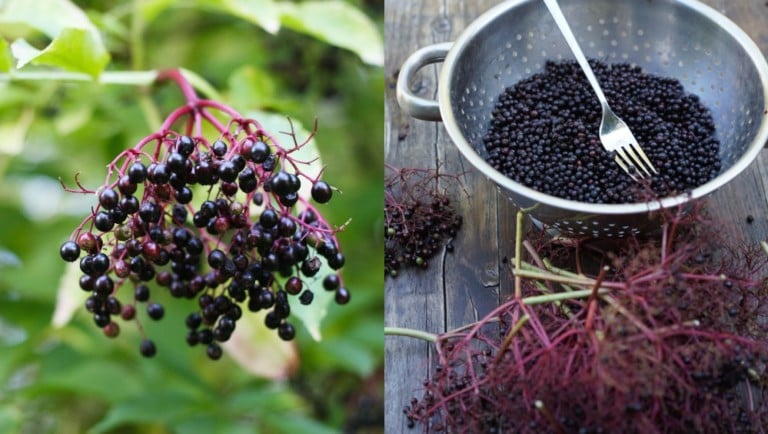
Elderberries come from the elder shrub, scientifically known as Sambucus Nigra. This hardy plant can grow up to 6 meters wide and tall, flourishing in various conditions. It features soft, champagne-white flowers in the summer, which later transform into dark, ripe berries by fall.
Why Grow Elderberries?
Elderberries can often be found in the wild, yet cultivating them in your garden can be just as rewarding. Here are some reasons to consider growing elder:
- Adaptable to various soil conditions, including sandy, loamy, and clay soils.
- Resilient in different climates, tolerating cold winters effectively.
- Unfussy about soil pH, thriving in both acidic and alkaline environments.
Everything Elder
Every part of the elder plant is valuable. Here are some uses beyond the berries:
- Harvest flowers for cordials and air fresheners.
- Use flowers in lotions or ointments.
- Add elderflowers to compost to enhance fermentation.
- Repel insects with crushed leaves.
- Make natural dyes from berries, bark, and leaves.
- Cultivate elder for wildlife attraction and as a pioneer species in woodland restoration.
The Benefits of Eating Elderberries
Elderberries boost immunity, especially during cold and flu season. They are rich in vitamins A, B, and C, and loaded with antioxidants like carotenoids and flavonoids.
How To Grow Elderberries
Growing elderberries can be done via seeds, cuttings, or by dividing suckers:
- Sow seeds in a cold frame in fall for spring germination.
- Use semi-ripe or hardwood cuttings during the appropriate seasons.
- Divide suckers during dormancy for easier propagation.
Prune your elder plants after harvesting to keep them healthy and encourage new growth.
How To Harvest Elderberries
Harvest elderberries when they are dark, glossy, and fully ripe. To collect:
- Remove unripe or shriveled berries.
- Gently pull off clusters or cut them with scissors.
- Use a fork to expedite the separation of berries from stems.
Always wash the berries thoroughly and remember that only cooked berries are safe to eat.
Preserving Elderberries
To store elderberries for later use, you can:
- Freeze them.
- Dry them in an oven or dehydrator.
- Make preserves or tasty recipes (see below).
What To Do With Elderberries
Explore the many culinary uses for elderberries with these exciting recipes:
- Elderberry Syrup: A delicious herbal remedy or breakfast condiment. Learn more.
- Elderberry Cordial: A healthful drink sweetened with honey. Check this recipe.
- Apple and Elderberry Jelly: A perfect blend with apples for a sweet preserve. Get the recipe.
- Elderberry Jam: Easy to make and delicious, paired with lemon peel. Find the recipe here.
- Elderberry Chutney: A sweet-savory preserve perfect for cheese. Discover the recipe.
- Elderberry Wine: Make your own wine that rivals traditional grape varieties. Explore the process.
- Elderberry Pie: A delicious filling combining elderberries with other fall fruits. Get the recipe.
- Elderberry Crumble: Combine with apples for a delightful dessert. Check it out.
- Elderberry Muffins: Healthier muffins using honey for sweetness. Find the recipe.
- Elderberry Ice Cream: A fruity treat for your ice cream maker. Discover how.
- Elderberry Liqueur: Infuse berries in vodka to create a festive drink. Learn more here.
- Pontack Sauce: A tangy elderberry ketchup perfect for game meats. Get the recipe.
Conclusion
Elderberries offer a rich harvest that’s both delicious and versatile. Whether you choose to grow your own or forage locally, these berries can lead to a wide variety of exciting culinary adventures. Give one of these 12 recipes a try and savor the best flavors of fall!