5 Tips to Propagate Orchids Fast with Floral Foam
5 Essential Tips for Propagating Orchids with Floral Foam
- Introduction
- Preparing Your Floral Foam
- Choosing the Right Orchid for Propagation
- Propagation Techniques with Floral Foam
- Common Mistakes to Avoid
- FAQ
- Conclusion
Introduction
If you’ve admired the beauty of orchids in bloom but have hesitated to dive into the world of propagation, you’re not alone. Many plant lovers find the process daunting, especially when it comes to using materials like floral foam. With so many methods available, how do you choose the best one for your orchids? This guide will provide you with practical insights to help you cultivate your passion for these exquisite plants.
Preparing Your Floral Foam
Before you start propagating orchids, it’s crucial to prepare your floral foam properly to create a supportive environment for the roots.
Choosing the Right Floral Foam
Select a high-quality floral foam specifically designed for plants. This foam retains moisture while allowing air circulation, which is essential for orchid health.
Soaking the Foam
- Submerge the floral foam in water for about 30 minutes until fully saturated.
- Remove it from the water and let the excess drip off, ensuring it’s moist but not dripping wet.
Cutting the Foam
Once soaked, cut the floral foam into blocks or wedges that can easily accommodate your orchid cuttings. Ensure they are not too small, as they need stability.
Choosing the Right Orchid for Propagation
Not all orchids are equally suited for propagation, so selecting the right type is key to your success.
Popular Choices
- Phalaenopsis orchids are generally considered the easiest for beginners.
- Cattleya orchids thrive in various conditions, making them another excellent choice.
- Oncidium orchids also propagate well and offer unique blooms.
Healthy Specimens
Choose healthy parent plants with vibrant foliage and strong root systems. Inspect them thoroughly to avoid any signs of disease or pests, as these can hinder your propagation efforts.
Timing Matters
The best time to propagate is during the growing season when the plant is most active. This typically falls in spring to early summer, depending on your climate.
Propagation Techniques with Floral Foam
Utilizing floral foam can simplify the propagation process. Here are some effective techniques to try.
Cuttings Method
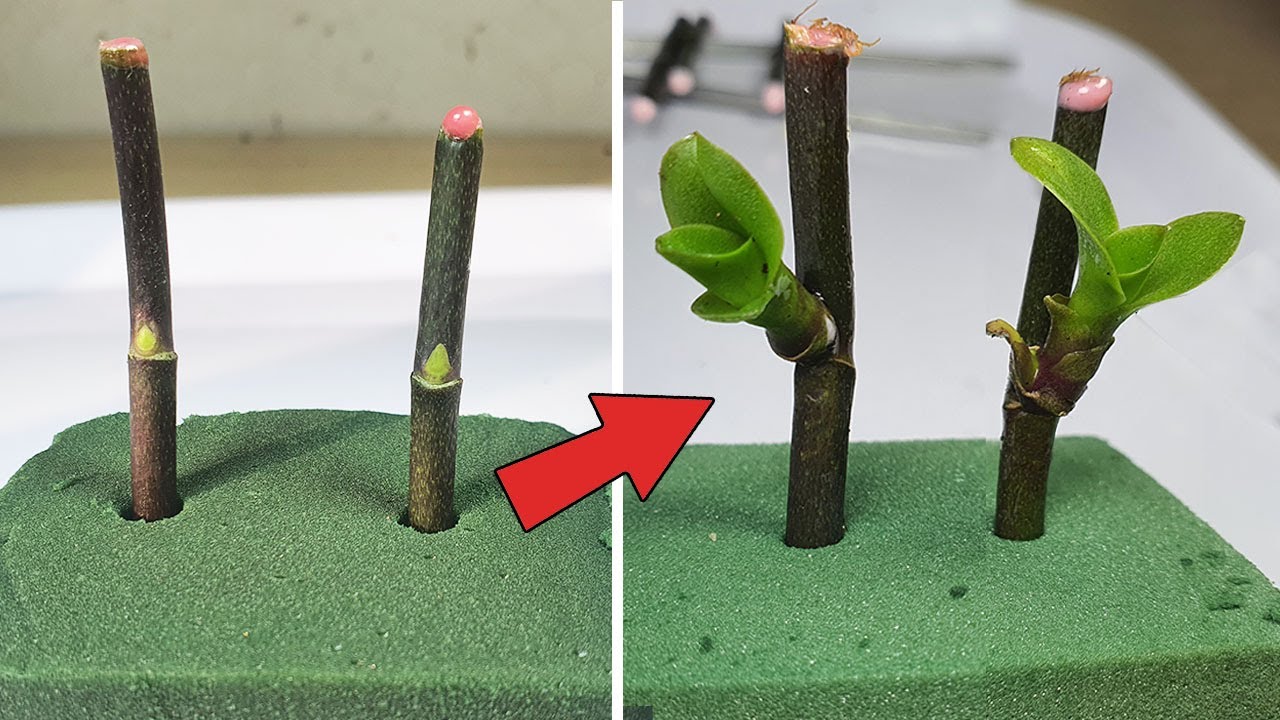
- Take healthy stem cuttings from your orchid, ensuring each cutting has at least one node.
- Insert the cut end into the prepared floral foam, making sure it is secure.
- Water lightly to maintain humidity around the cutting.
Division Method
If you have a mature orchid, you can propagate by division. This involves separating the plant into smaller sections, each with roots and foliage.
- Carefully remove the orchid from its pot and gently tease apart the roots to find natural divisions.
- Place each division into a prepared piece of floral foam.
Creating a Humid Environment
To aid root development, cover the cutting or division with a plastic bag or a humidity dome to retain moisture. Make sure to check regularly, as you might need to mist them occasionally.
Common Mistakes to Avoid
Using Inappropriate Floral Foam
Always use floral foam designed for plants. General floral foam may retain too much moisture and cause root rot.
Overwatering
While orchids thrive in humidity, overwatering is a common mistake that can lead to decay. Only mist the foam as needed.
Ignoring Light Conditions
Ensure your propagating orchids receive bright but indirect sunlight. Direct sun can scorch new growth and hinder their development.
Neglecting to Monitor Humidity
Consistent humidity levels are crucial for propagation. If the air is too dry, consider using a humidity tray or a small humidifier nearby.
FAQ
What type of floral foam is best for orchids?
Look for floral foam specifically made for plants, as it retains moisture while allowing for adequate air circulation—both vital for orchids.
How long does it take for orchid cuttings to root?
Depending on the conditions, orchid cuttings can take anywhere from a few weeks to several months to establish roots. Patience is key.
Can I use regular potting soil for propagating orchids?
Using regular potting soil is not advisable, as it can retain too much moisture. Stick to floral foam or an orchid-specific medium for best results.
Conclusion
Propagating orchids with floral foam can be a fulfilling project that allows you to expand your plant collection. By following these essential tips, you’ll increase your chances of success. What types of orchids do you wish to propagate next? Share your thoughts in the comments!