Unlock 5 Secrets to Help Your Zamioculca Thrive with New, Shiny Leaves!
5 Secrets for Thriving Zamioculca with Shiny New Leaves
- Understanding Zamioculca
- Ideal Growing Conditions
- Watering Techniques
- Common Mistakes to Avoid
- Care and Maintenance Tips
Have you noticed your Zamioculca isn’t quite as vibrant as it could be? Perhaps its leaves have lost their shine, or growth seems stunted. Many plant lovers encounter this issue, often feeling unsure about how to bring their beloved Zamioculca back to life. Fortunately, understanding this unique plant can lead you to the solutions you need to encourage those beautiful, glossy leaves to thrive again. Let’s explore effective strategies to revitalize your plant.
Understanding Zamioculca
The Zamioculca, also known as the ZZ plant, is cherished for its resilience and attractive foliage. Originating from the tropical regions of East Africa, it’s known for surviving in low light and requiring minimal care.
1. Benefits of Zamioculca
Before diving into care specifics, it’s essential to appreciate why this plant is a great addition to your home. Here are some benefits:
- Low light tolerance, making it perfect for indoor spaces.
- Low maintenance, ideal for busy lifestyles.
- Effective air purifier, contributing to better indoor air quality.
2. Characteristics of Healthy Zamioculca
A thriving Zamioculca showcases:
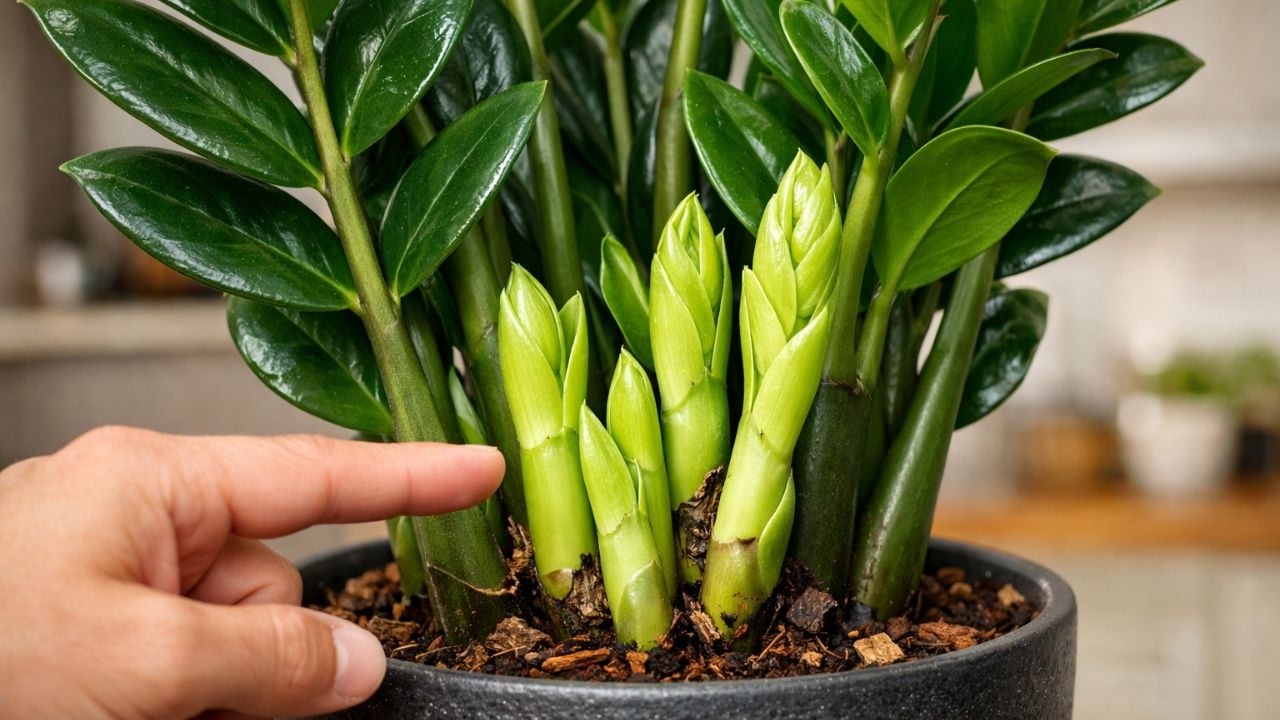
- Deep green, shiny leaves.
- Robust structure without drooping.
- New growth emerging regularly.
Ideal Growing Conditions
To help your Zamioculca thrive, establishing the right growing conditions is crucial. Here are several factors to consider:
1. Lighting Requirements
Although Zamioculca can tolerate low light, providing it with indirect sunlight will encourage growth. Consider these tips:
- Place your plant near a window with filtered light.
- Avoid direct sunlight, which can scorch the leaves.
2. Temperature and Humidity
This plant thrives in temperatures between 60-75°F (15-24°C). It also prefers moderate humidity levels. To maintain a suitable environment:
- Keep it away from drafty windows and air vents.
- Consider using a humidity tray if your home is particularly dry.
Watering Techniques
Watering is often a critical factor in plant health. Here are some suggestions for effective watering:
1. Finding the Right Schedule
Overwatering is one of the most common reasons for poor Zamioculca health. To avoid this, consider the following:
- Check the top inch of soil; water only if it’s dry.
- Water thoroughly but ensure excess drains out of the pot.
2. Signs of Overwatering or Underwatering
Be attentive to signs that your Zamioculca may need adjustment in watering:
- Yellowing leaves often indicate overwatering.
- Leaves becoming brittle and dropping can suggest underwatering.
Common Mistakes to Avoid
Even the most seasoned gardeners can make mistakes. Here are some specific pitfalls to watch out for:
1. Over-fertilizing
Applying too much fertilizer can harm your Zamioculca. It’s best to use a diluted, balanced fertilizer during the growing season only.
2. Inconsistent Watering
Switching between extreme dry and wet conditions can stress the plant. Establish and maintain a consistent watering routine.
3. Neglecting Soil Quality
Using poor or compacted soil can affect drainage. Ensure you use a well-draining potting mix to support root health.
Care and Maintenance Tips
Keeping your Zamioculca healthy requires consistent care. Here are some maintenance practices:
1. Pruning
Regularly prune dead or yellowing leaves to promote new growth. Use clean scissors to make sharp, clean cuts.
2. Repotting
If your Zamioculca outgrows its pot, consider repotting in a slightly larger container. Aim to do this every 2-3 years.
3. Monitoring for Pests
While Zamioculca is relatively pest-resistant, it’s good to regularly check for common pests like spider mites or mealybugs. If found, treat promptly with insecticidal soap.
FAQ
How often should I water my Zamioculca?
Water your Zamioculca when the top inch of soil is dry, usually every 2-3 weeks, depending on the environment.
What soil is best for Zamioculca?
A well-draining potting mix is ideal, often a blend of peat, perlite, and pine bark.
Why are my Zamioculca’s leaves turning yellow?
Yellow leaves usually indicate overwatering or poor drainage; check your watering routine and potting soil.
With a little attention to your Zamioculca’s needs, you can enjoy shiny, lush leaves and a thriving plant. What steps have you found most helpful in caring for your greenery? Your insights could help fellow plant enthusiasts.